In the exploration and development of energy resources such as oil and natural gas, drilling operations are a crucial step in acquiring underground resources. However, the intense noise generated by drilling equipment during operation not only poses a serious threat to the physical and mental health of workers but also can cause noise pollution to the surrounding environment. Therefore, the research and application of noise control technology for drilling equipment is particularly important.
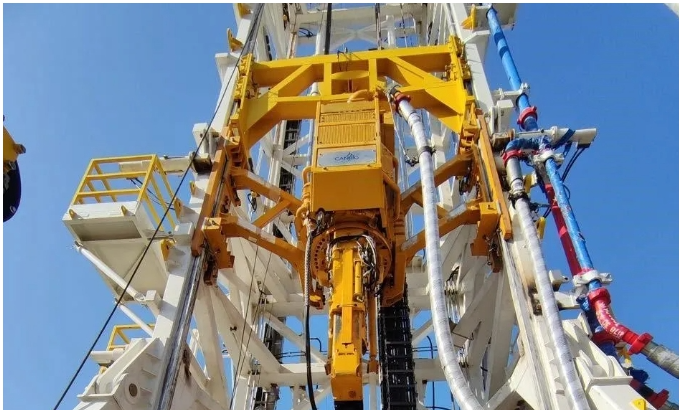
The sources of noise from drilling equipment are widespread and complex. Power equipment such as diesel generator sets and generator sets generate mechanical vibrations and airflow noise during operation, with sound power levels typically between 95 and 110 dB(A), and sometimes exceeding 115 dB(A). Drilling pump sets, as the core of the mud circulation system, generate high-frequency noise from piston movement, fluid pressure fluctuations, and friction and collisions of mechanical parts, with sound pressure levels reaching 80-100 dB. Furthermore, drilling rigs, vibrating screens, and other equipment also contribute significantly to noise levels due to vibrations and impacts between the equipment and its base/foundation, as well as the abnormally loud screeching sound generated by rapid venting valves.
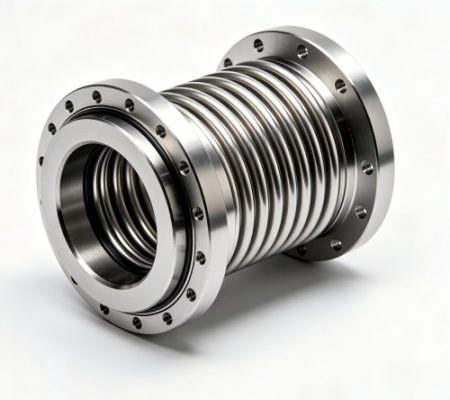
For these noise sources, sound source control technology is the fundamental way to reduce noise. Choosing low-noise drilling rigs and power systems is fundamental. For example, electric drilling rigs have a significant advantage in noise generation compared to traditional diesel drilling rigs, effectively reducing their environmental impact. Regular lubrication and maintenance to reduce mechanical friction and abnormal vibration are also important noise reduction measures. By rationally designing the equipment structure and optimizing the machining precision and assembly quality of mechanical components, vibration and noise during equipment operation can be reduced. For drilling pump sets, using flexible connections and vibration isolation technology can reduce the propagation of pump vibration to the surrounding environment. Installing rubber expansion joints on the pump’s inlet and outlet pipes can effectively isolate vibration and reduce noise.
Noise transmission path control technology reduces noise levels by blocking the noise propagation path. Installing vibration damping devices and vibration isolation pads are common methods. Installing vibration dampers between the equipment base and foundation can suppress the propagation of equipment vibration, reducing noise generation and diffusion. For high-noise equipment, such as generators and air compressors, setting up a dedicated machine room and using wall sound insulation measures can effectively reduce the outward propagation of noise. The walls of the machine room can be decorated with sound-absorbing materials such as glass wool and mineral wool boards. These materials can absorb and attenuate sound wave energy, reducing noise intensity. Installing silencer elbows and louvers in the ventilation ducts can block noise diffusion along the pipes. For the shock wave noise generated by the high-pressure gas jets in the exhaust system, buffer tanks and controlled emission technologies can be used to reduce the noise level.
Receiver protection technology involves providing workers with necessary personal protective equipment to reduce noise harm. Equipping operators with professional earmuffs or earplugs can effectively block noise from entering the ears and protect hearing. Simultaneously, implementing zone markings and personnel flow management in areas with excessive noise, and rationally arranging workers’ working hours and positions, will avoid prolonged exposure to high-noise environments.
With the development of intelligent manufacturing and IoT technologies, intelligent monitoring and control systems are increasingly being applied to the field of drilling equipment noise control. By installing sensors on the equipment, noise levels are monitored in real time, and the data is transmitted to the control center for analysis and processing. When noise levels exceed the standard, the system can automatically activate dust suppression sprays or adjust the equipment’s operating mode, achieving precise and efficient noise management.
Noise control technology for drilling equipment is a systematic project that requires a comprehensive approach, including source control, transmission path control, and receiver protection. Only by using a variety of technologies can the noise level of drilling equipment be effectively reduced, the health of workers protected, and the impact on the surrounding environment minimized.