In the energy extraction sector, drilling operations are a crucial step in acquiring underground resources, and drilling equipment, as the core tool in this process, directly impacts the effectiveness and cost of drilling operations through its management efficiency and quality. With the rapid development of information technology, information management of drilling equipment has emerged, bringing new changes and development opportunities to the energy extraction industry.
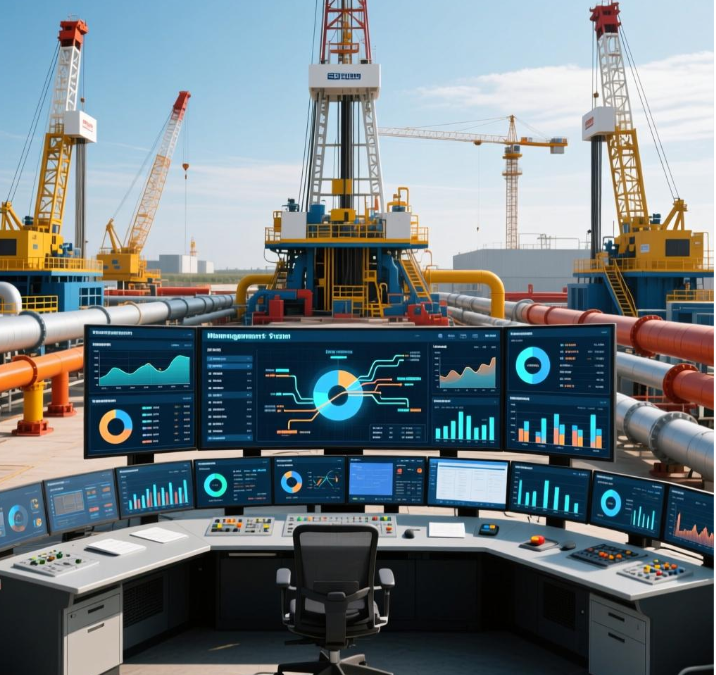
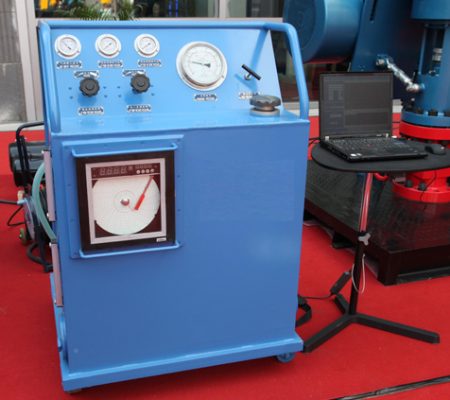
Information management of drilling equipment enables real-time and accurate monitoring of equipment status. Traditional equipment management often relies on regular manual inspections, which are not only costly in terms of manpower and resources but also difficult to detect potential equipment problems in a timely manner. Information management systems, by installing various sensors on drilling equipment, such as temperature, pressure, and vibration sensors, can collect real-time operating parameters, such as temperature, pressure, rotational speed, and vibration frequency. This data is transmitted to a management platform via network, allowing managers to monitor the equipment’s operating status from their offices. If abnormal parameters occur, the system immediately issues an alarm, reminding managers to take timely measures to prevent further escalation of equipment failure, reduce downtime, and improve the continuity of drilling operations.
Information management provides a scientific basis for the maintenance and upkeep of drilling equipment. In traditional management models, equipment maintenance is typically performed on a fixed schedule, which can easily lead to over-maintenance or under-maintenance. Over-maintenance increases unnecessary costs, while under-maintenance shortens equipment lifespan. Information management systems, through long-term accumulation and analysis of equipment operating data, can predict equipment failure trends and component wear. Based on these predictions, personalized maintenance plans can be developed, enabling on-demand maintenance. For example, maintenance cycles can be appropriately extended for equipment in good operating condition; while components prone to failure can be replaced in advance, improving the targeting and effectiveness of equipment maintenance and reducing maintenance costs.
Information management also promotes the optimal allocation of drilling equipment resources. In a large-scale energy extraction project, multiple drilling rigs often operate simultaneously. How to rationally allocate these rigs and improve equipment utilization is a crucial issue. Information management systems can track and manage the operating status and location information of all equipment in real time. Through data analysis, the busy levels and utilization efficiency of different rigs can be understood, and equipment resources can be rationally allocated according to the actual needs of drilling operations. Idle equipment can be relocated to where it is needed, avoiding equipment waste, improving the overall equipment utilization rate of the project, and reducing equipment procurement and leasing costs. Furthermore, information management provides robust data support for drilling equipment management decisions. Through in-depth mining and analysis of equipment operation, maintenance, and cost data, managers can understand the overall operating status and cost structure of the equipment, providing a scientific basis for decisions regarding equipment upgrades and technological transformations. Simultaneously, the information management system can also achieve information sharing with suppliers and service providers, improving supply chain efficiency and ensuring timely equipment supply and high-quality service.
Information management of drilling equipment is an inevitable trend in the energy extraction industry. Through real-time monitoring, scientific maintenance, resource optimization, and decision support, it improves the management efficiency and operational quality of drilling equipment, reduces operating costs, and brings significant economic and social benefits to energy extraction companies, propelling the energy extraction industry towards intelligent and efficient operations.