Hydraulic internal cutting tools are crucial tools used in downhole workover and cable cutting operations. Their stability and cutting performance directly impact operational efficiency and downhole risk control. If issues arise during operation, such as sluggish movement, inability to extend the cutting head, or incomplete cutting, it will not only delay the work schedule but may also affect subsequent procedures. To ensure smooth downhole operations, it is necessary to understand the key factors leading to hydraulic internal cutting tool failures and implement reliable troubleshooting and remedial measures. Furthermore, leveraging more professional downhole tool suppliers can enhance overall operational support capabilities.
Insufficient Hydraulic Power Leading to Abnormal Movement
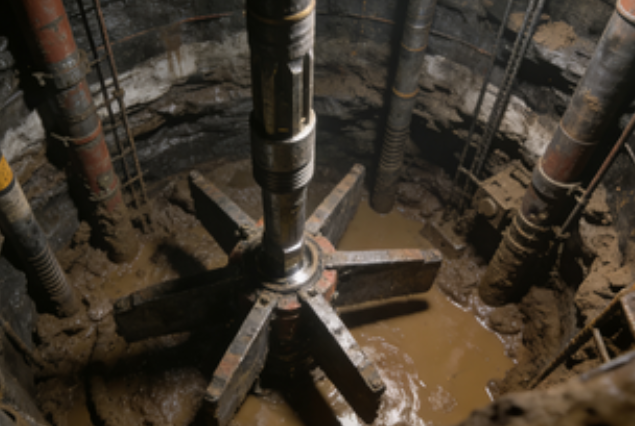
The hydraulic power supply system is the core of the internal cutting tool’s operation. Insufficient pressure, blocked oil lines, or substandard oil quality can prevent the cutting head from reaching the specified extension force, ultimately resulting in obstructed cutting or complete malfunction. Micro-leakage in the hydraulic system, aging filters, or incorrect oil viscosity can all affect the response speed and stability of the actuator. Maintaining clean oil lines, regularly monitoring pressure changes, and using reliable hydraulic components are essential ways to reduce power anomalies. Introducing higher-performance downhole hydraulic tools can reduce uncertainties in operations and improve overall cutting strength.
Excessive Tool Wear Affects Cutting Efficiency
Prolonged use can lead to problems such as tool wear, seal fatigue, and cutting surface damage, significantly reducing the cutting efficiency of internal cutting tools. When the tool cannot achieve an effective cutting angle or the cutting edge becomes dull, the cutting action becomes sluggish or even stops, making it difficult to achieve the expected results. Periodic inspection of the tool body, replacement of worn parts, and use of cutting components with higher wear resistance are fundamental to avoiding such failures. Choosing wear-resistant internal cutting tools from professional manufacturers allows the tool to maintain more stable performance in high-intensity downhole environments.
Downhole Environmental Factors Cause Operational Failures
Downhole temperature, pressure, corrosive media, and gravel content are just some of the environmental factors that can affect the operation of hydraulic internal cutting tools. When downhole impurities enter the hydraulic cavity, the cutting position shifts, or the tool is obstructed by the well wall, the cutting action is prone to failure, and may even cause tool damage. Pre-operation assessment of downhole conditions, use of specially designed internal cutting tools at the corresponding depth, and cooperation with reliable downhole tool manufacturers for technical support can significantly reduce environmental interference and improve the tool’s adaptability to complex well conditions.
Synergistic Effect of Tool Matching and Operating Procedures
The successful operation of hydraulic internal cutting tools relies on the synergy of multiple aspects, including tools, processes, and data monitoring. Improper operating procedures, incompatible tool models, or failure to adjust monitoring in a timely manner can cause seemingly normal operations to suddenly fail. Strengthening on-site operation training, standardizing parameter adjustment schemes, and improving tool compatibility can ensure that hydraulic internal cutting tools maintain a stable operating rhythm during actual construction. Collaborating with technically strong downhole tool suppliers provides more comprehensive technical support, ensuring the entire construction chain remains efficient and reliable.
Hydraulic internal cutting tool operation failures are not caused by a single factor. Only by comprehensively controlling factors such as power, tool condition, downhole environment, and operating procedures can common malfunctions be effectively avoided. High-quality hydraulic internal cutting tools and stable technical support are crucial guarantees for improving downhole operation efficiency. We welcome collaboration with professional oil well tool teams to jointly improve tool reliability and on-site construction capabilities, making complex downhole operations smoother and more efficient.