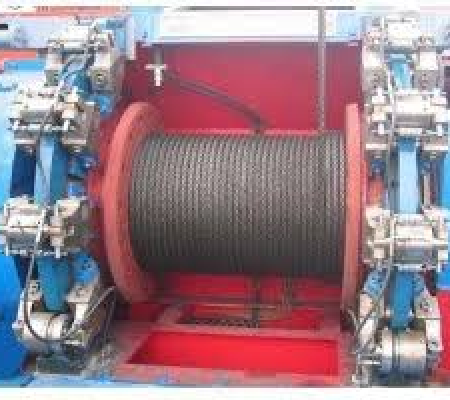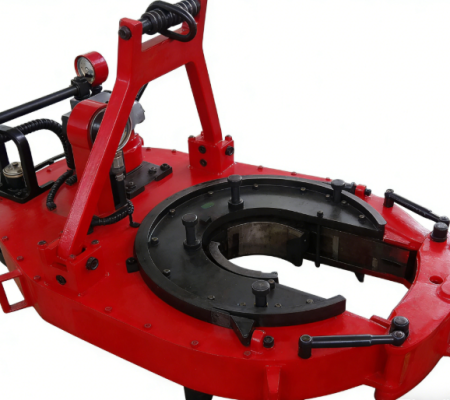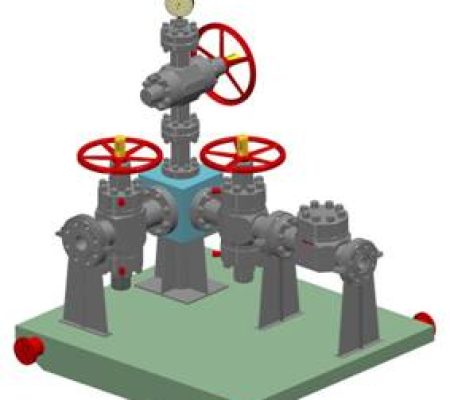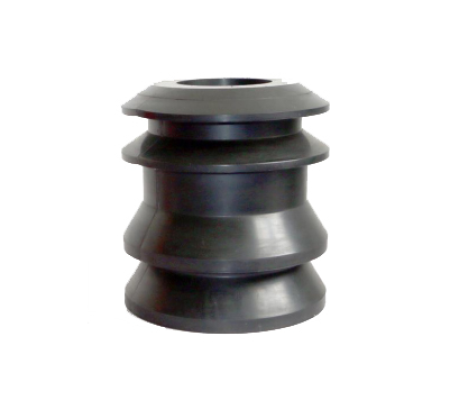
In oil and gas exploration and development, drilling equipment is a core asset, and its procurement decisions directly impact operational efficiency, cost control, and long-term returns. From the drilling rig itself to auxiliary systems, from surface equipment to downhole tools, equipment selection at every stage must match geological conditions, well depth design, and operational cycles, while also considering reliability, maintainability, and technological advancement. With the advancement of unconventional oil and gas development, deep-sea drilling, and intelligent upgrades, drilling equipment procurement has shifted from single-function requirements to systemic solutions. Procuring parties must seek the optimal balance between technical parameters, supplier qualifications, after-sales service, and total lifecycle costs.
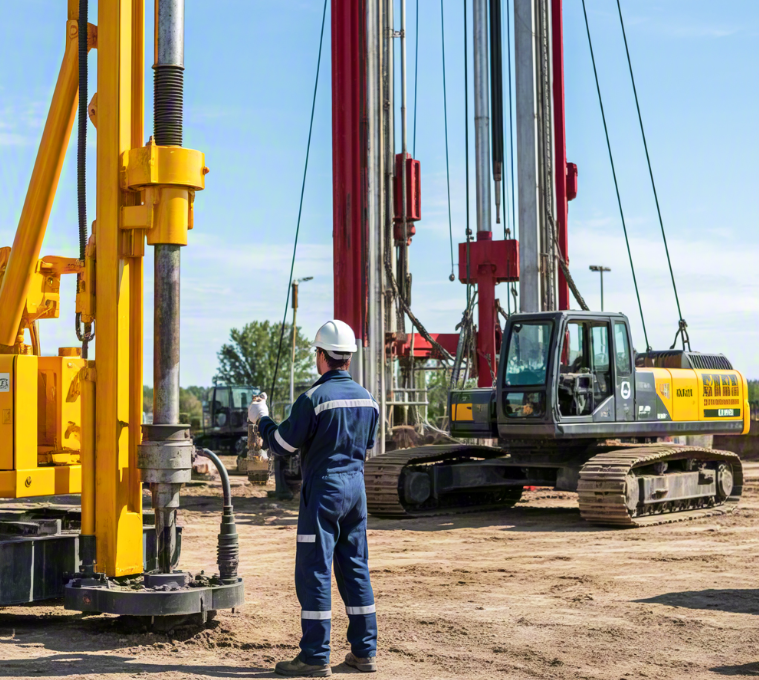
The procurement of drilling equipment must first clarify the operational scenario and technical requirements. The requirements for equipment in conventional onshore drilling and offshore drilling are drastically different: the former must adapt to complex terrain and climate, emphasizing modular design and rapid relocation capabilities; the latter must meet standards for wind and wave resistance, corrosion resistance, and high-pressure deep-sea operations. For example, semi-submersible drilling platforms require dynamic positioning systems and high-pressure mud pumps. Well depth design is equally crucial. Ultra-deep wells (depth > 6000 meters) require high-strength drill pipe, high-power top drives, and high-temperature resistant logging instruments. Horizontal wells and multi-stage fracturing operations place even higher demands on rotary steerable systems, high-speed drill bits, and coiled tubing equipment. For example, in shale gas development, purchasers must prioritize drilling rigs equipped with intelligent drilling systems to achieve real-time optimization of drilling pressure, rotational speed, and mud flow, improving drilling efficiency by more than 30%.
Supplier qualifications and product quality are core considerations in procurement decisions. Internationally renowned manufacturers (such as Schlumberger, Baker Hughes, and National Oilwell) dominate the high-end market due to their technological accumulation and global service networks. Their products are certified by international standards such as API and ISO, with a failure rate of less than 0.5%, but their prices are typically higher. Domestic manufacturers (such as Sinopec Petroleum Machinery and Jereh Group) win the low-to-mid-end market through cost-effectiveness and localized services, with some products reaching international advanced levels. Purchasers need to comprehensively evaluate suppliers’ R&D capabilities, production scale, and past cases. For example, when purchasing high-pressure mud pumps, priority should be given to manufacturers with independent intellectual property rights and the ability to provide customized solutions to avoid operational interruptions due to equipment compatibility issues. Furthermore, the supplier’s after-sales service system is equally important, including the speed of spare parts supply, on-site technical support response time, and equipment upgrade capabilities. These factors directly affect operational continuity and maintenance costs.
Lifecycle cost (LCC) analysis is a key tool for optimizing procurement decisions. Equipment procurement costs only account for 30%-40% of LCC, while operation and maintenance costs, energy consumption costs, and disposal costs account for a much larger proportion. For example, the initial purchase price of an imported top drive may be 50% higher than that of domestic equipment, but its mean time between failures (MTBF) can reach over 2000 hours, while domestic equipment typically has 800-1200 hours. In the long run, the unit operating cost of imported equipment is actually lower. In addition, the energy-saving advantages of intelligent equipment cannot be ignored. For example, variable frequency drive drilling rigs can reduce energy consumption by 20%-30% compared to traditional drilling rigs, significantly saving operating expenses in long-term operations. Purchasers need to establish an LCC (Limited Cost of Maintenance) model, incorporating equipment efficiency, maintenance frequency, energy consumption levels, and residual value into the evaluation system to avoid long-term high-cost operation due to short-term low-price procurement.
From onshore to offshore, from conventional to unconventional, drilling equipment procurement is evolving towards intelligence, integration, and green practices. Purchasers need to build a scientific decision-making system based on operational needs, supplier qualifications, and total life-cycle cost. Through technology matching, quality control, and cost optimization, not only can the economic benefits of a single well be improved, but a solid foundation can also be laid for the long-term development of oil and gas fields. Under the dual pressures of energy transition and cost reduction and efficiency improvement, precise procurement has become one of the core elements of drilling engineering competitiveness.