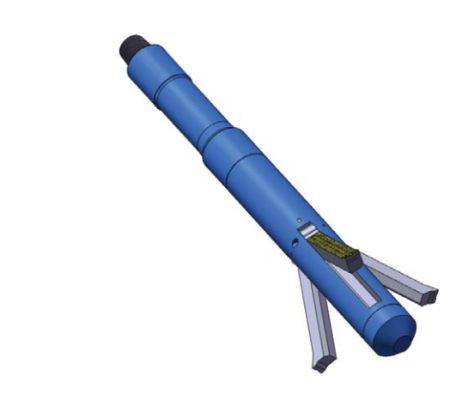
In downhole operations, clamping tools play a crucial role in fixing, holding, and transferring loads, and their performance directly affects operational efficiency and safety. Due to limited downhole space and complex working conditions, clamps must withstand friction, impact, and high loads for extended periods. Therefore, high wear resistance has become a critical factor that cannot be ignored when selecting clamps. Understanding the selection criteria for high wear-resistant downhole clamps helps extend tool life and ensures stable downhole operations.

The Matching Relationship Between Materials and Wear Resistance
The wear resistance of downhole clamps is primarily reflected in the choice of materials. High-quality clamps are typically made of high-strength alloy steel or structural steel that has undergone special heat treatment, ensuring stable mechanical properties under high pressure and high friction environments. A proper match between material hardness and toughness can reduce surface wear while avoiding the risk of fracture due to excessive brittleness. For downhole tools used repeatedly over long periods, material quality directly determines the reliability of the clamp.
The Impact of Structural Design on Service Life
The structural design of the clamp also affects its wear resistance. A well-designed clamping surface shape can disperse contact stress, reduce localized wear concentration, and maintain stable clamping force during repeated operations. Thickening or reinforcing key stress-bearing areas can effectively improve overall wear resistance. Whether the structural design aligns with operational needs is a crucial factor in evaluating the practical value of high-wear-resistant downhole clamps.
Surface Treatment and Process Details
In complex downhole environments, clamp surfaces are easily subjected to the combined effects of mud, sand, and corrosive media. Surface hardening, applying a wear-resistant coating, or special protective treatments can significantly improve the clamp’s wear and corrosion resistance. Mature processing techniques ensure uniform and stable surface treatment, preventing premature failure due to localized process defects, which is a key technological feature of high-wear-resistant clamps.
Adaptability to Downhole Conditions
Different downhole operations result in different force distribution methods and operating frequencies for clamps. When selecting high-wear-resistant downhole clamps, factors such as operating depth, load level, and service life should be fully considered to ensure that the tool performance matches the actual operating conditions. The higher the compatibility, the more controllable the wear rate of the clamp during downhole operation, and the more advantageous the overall operating cost.
In conclusion
The quality of high-wear-resistant downhole clamps is not determined by a single parameter, but rather by the combined effects of material properties, structural design, processing technology, and adaptability to operating conditions. With the increasing demands for tool reliability in downhole operations, selecting professionally manufactured and standardized downhole oil tools is particularly important. Relying on mature manufacturing experience and a rigorous quality control system, high-quality downhole clamps can maintain stable performance in complex environments, providing strong support for operational safety and efficiency. Collaboration on the selection and application of high-wear-resistant downhole tools will help achieve long-term, stable value in downhole operations.