In the development of shale gas and tight gas, wellhead equipment is a critical component for ensuring wellhead safety, improving recovery efficiency, and extending well life. Due to differences in formation types, reservoir pressures, extraction techniques, and operational environments, the selection strategy for wellhead equipment must be tailored to specific conditions to ensure safe and efficient drilling and production operations. This article analyzes the key considerations for differentiated wellhead equipment selection based on the characteristics of shale gas and tight gas.
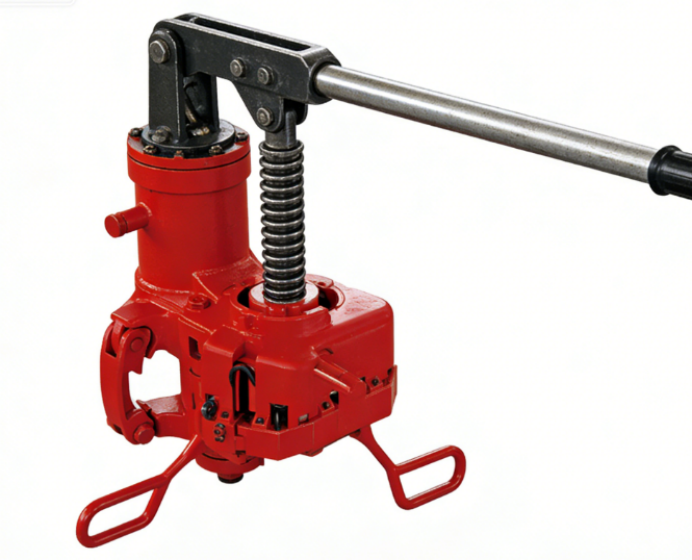
1. Wellhead Equipment Selection for Shale Gas
Shale gas is typically found in low-permeability, tight formations with well-developed fractures and is often extracted using horizontal wells combined with multi-stage hydraulic fracturing. Wellhead equipment in this environment must withstand high pressures, resist fracturing stress, and support multiple fracturing operations. Commonly used equipment includes multifunctional blowout preventers (BOPs), safety valves that can be repeatedly opened and closed, and fracturing-specific packers. Key selection criteria focus on pressure rating, cycle life, and rapid switching capability to accommodate frequent operations. Additionally, because shale gas production often involves hydraulic fracturing and high-sand-content fluids, the sealing performance and wear resistance of wellhead tools are critical factors.
2. Wellhead Equipment Selection for Tight Gas
Tight gas is generally located in relatively homogeneous, low-porosity formations, with development primarily through long horizontal wells combined with multi-stage fracturing, though the number of fracturing stages is usually fewer than in shale gas wells. Wellhead equipment for tight gas emphasizes stability and long-term durability. High-pressure ball valves, corrosion-resistant safety valves, and high-strength packers are common choices, designed to withstand prolonged production pressures and chemical corrosion. Since the sand content in tight gas production fluids is relatively low, wear resistance requirements are less stringent, but sealing reliability under long-term high-pressure conditions remains a core consideration.
3. Key Concepts for Differentiated Selection
The differentiated selection of wellhead equipment for shale and tight gas mainly involves several aspects. First, pressure resistance and corrosion resistance: shale gas wellhead equipment must handle high-pressure cycles and frequent operations, whereas tight gas tools prioritize long-term stable pressure tolerance. Second, sealing and wear resistance: shale gas fluids often contain high sand content, affecting the wear on seals and valves, while tight gas wells require lower wear resistance but cannot compromise sealing reliability. Third, operational flexibility and maintenance cycles: shale gas wellhead equipment must support multiple fracturing operations and rapid switching, whereas tight gas wells focus on reducing maintenance frequency and ensuring operational stability. By comprehensively analyzing formation characteristics, operational processes, and fluid properties, engineers can develop targeted selection strategies for wellhead equipment.
4. Implementation Recommendations
In practice, differentiated selection can be implemented using the following methods. First, thoroughly evaluate formation pressure, fluid properties, and the number of fracturing stages to determine pressure ratings and material requirements for the equipment. Second, select seals and valves based on sand content, corrosivity, and operational frequency. Third, consider automation and remote operation requirements when assessing operational flexibility and maintenance convenience. Applying these strategies can improve operational efficiency and extend the service life of wellhead equipment while ensuring safety.
ConclusionShale gas and tight gas development have distinct characteristics, and wellhead equipment selection cannot follow a “one-size-fits-all” approach. Selecting key parameters such as pressure rating, sealing performance, wear resistance, and operational flexibility according to specific formation and operational conditions is essential for safe and efficient development. Engineers should adopt differentiated selection strategies when designing and procuring wellhead equipment to ensure wellhead safety and stable long-term production.