In oil and gas drilling, completion, and wellhead installation operations, wellhead tools not only bear high loads and pressures but also undergo frequent make-up and break-out cycles. The condition of threaded and sealing components directly affects overall safety. Grease is a critical auxiliary material for wellhead tools, playing a key role in preventing galling, reducing wear, and protecting seals. Improper selection can lead to thread seizure, seal failure, or even wellhead incidents. This article systematically explains how to choose grease for wellhead tools and provides guidance for selecting the best options under different operating conditions.
Why Proper Grease Selection Is Essential for Wellhead Tools
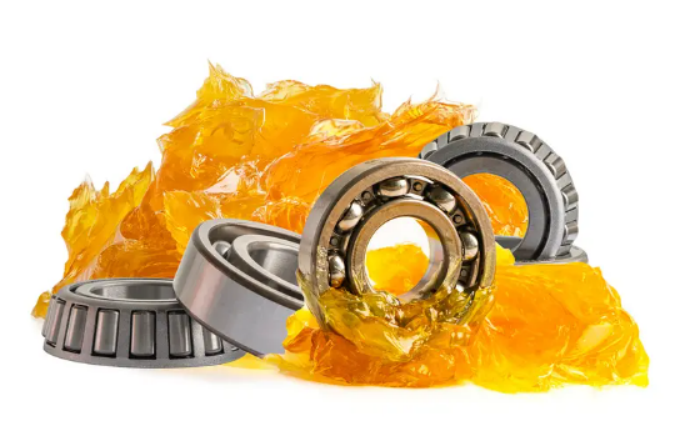
During installation and operation, threaded connections on wellhead tools are repeatedly made up and broken out. Without suitable grease, metal surfaces come into direct contact, generating frictional heat and microscopic welding effects, which can cause thread galling. Grease forms a protective film on threads, isolating them from moisture and corrosive media, extending the tool’s service life.
Therefore, grease is not merely a lubricant; it is an essential factor for the safe operation of wellhead tools.
Key Performance Requirements for Wellhead Tool Grease
When selecting grease for wellhead tools, the following performance characteristics should be prioritized:
Load-carrying capacity: Grease must remain stable under high torque and contact stress to prevent metal-to-metal friction.
Anti-wear and anti-galling properties: Critical for repeated make-up and break-out under high load conditions.
High-temperature and high-pressure resistance: Necessary for deep wells or high-temperature operations.
Corrosion protection: Important for environments with moisture, hydrogen sulfide, or salt exposure.
Grease Selection for Different Operating Conditions
1. Conventional and Shallow Well Conditions
For standard wells with relatively low pressure and temperature, general-purpose high-load grease is suitable. These greases offer good lubricity and anti-rust properties, meeting most wellhead installation and maintenance needs.
2. High-Pressure, High-Temperature Wells
Under high-pressure, high-temperature conditions, ordinary grease may fail. Specialized high-temperature, high-pressure grease with stable chemical structure and excellent load capacity is recommended to ensure smooth thread make-up and break-out.
3. Sulfur-Containing or Highly Corrosive Environments
For wells with hydrogen sulfide or corrosive media, greases with superior anti-corrosion performance should be prioritized to reduce the impact of corrosive substances on threads and sealing surfaces.
4. Offshore Platforms and Humid Environments
Offshore wellheads are exposed to high humidity and salt spray. Grease used in these conditions must have good water resistance and anti-salt-spray properties to prevent rust and maintain performance.
Common Misconceptions in Grease Application
A common mistake in the field is “the more grease, the better.” Excessive grease can affect make-up torque, leading to inaccurate assembly. Grease should be applied evenly according to specifications to balance lubrication and sealing performance.
Conclusion
In summary, selecting grease for wellhead tools must be based on specific operating conditions. By considering load capacity, temperature and pressure resistance, and corrosion protection, and choosing grease appropriate for different well conditions, the risk of thread failure can be significantly reduced. Proper grease selection enhances the safety and service life of wellhead tools, providing reliable support for stable oil and gas well operations.