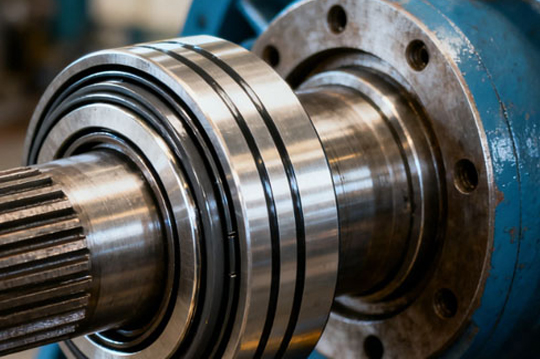
In industrial sectors such as petroleum, natural gas, coal chemical processing, and municipal wastewater treatment, hydrogen sulfide (H₂S) – a highly toxic and corrosive gas – requires efficient removal, which is closely tied to the reliability of process equipment. As a core component of desulfurization systems, the desulfurization circulation pump plays a vital role in transporting H₂S-containing media and maintaining stable system circulation. Its operational performance directly impacts desulfurization efficiency, equipment lifespan, and production safety. The mechanical seal, serving as the pump’s ‘heart component,’ is indispensable for preventing media leakage and ensuring the pump’s sealing integrity.
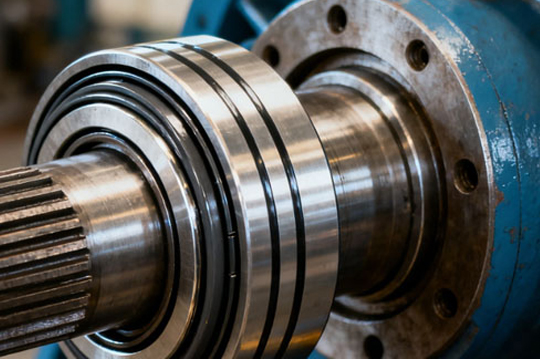
However, hydrogen sulfide’s strong corrosiveness, high permeability, and complex operational characteristics pose severe challenges to mechanical seal material selection, structural design, lubrication, cooling, and failure prevention. In hydrogen sulfide-containing environments, mechanical seals frequently encounter issues such as corrosion wear, dry friction between sealing surfaces, and auxiliary system failures, leading to shortened service life, increased leakage risks, and even safety incidents. Industry statistics indicate that mechanical seal failures account for over 30% of pump equipment malfunctions, with particularly severe failures occurring in corrosive media environments.
What is Hydrogen Sulfide?
Hydrogen sulfide (H₂S) is a colorless, highly toxic, and flammable gas commonly found in industrial production processes such as petroleum, natural gas, and chemicals.
What are the hazards of hydrogen sulfide?
Its hazards are mainly manifested in three aspects: Direct threat to human health—inhalation of low concentrations can cause headaches and nausea; exposure to high concentrations can lead to instantaneous coma or even death.
Corrosiveness to equipment—Hydrogen sulfide reacts with metals to form sulfides, accelerating equipment aging and shortening its lifespan.
Environmental damage—Hydrogen sulfide released into the atmosphere easily converts into sulfur dioxide (SO₂), exacerbating acid rain pollution and disrupting the ecological balance.
Controlling hydrogen sulfide emissions is a dual requirement for industrial safety and environmental protection; desulfurization has become an indispensable part of industrial production!
Desulfurization technology is the core means of addressing hydrogen sulfide and sulfur oxide pollution. From a policy perspective, many countries worldwide have established strict emission standards. Enterprises that fail to implement effective desulfurization measures will face legal penalties and reputational damage. From an economic perspective, desulfurization reduces maintenance costs caused by equipment corrosion, extends the lifespan of critical equipment such as pumps and pipelines, and lowers long-term operating costs. From an ecological perspective, desulfurization is a key step in achieving carbon neutrality; reducing sulfur emissions lowers the frequency of acid rain and protects soil, water bodies, and biodiversity. Desulfurization is not only a compliance requirement but also an inevitable choice for enterprises to achieve green transformation and fulfill their social responsibilities.
Industrial desulfurization requires specialized desulfurization equipment. So, what role does the desulfurization circulating pump play in desulfurization equipment?Why is the desulfurization circulating pump considered the ‘safety guardian’ in mechanical seals within desulfurization equipment?
In a desulfurization system, the circulating pump is responsible for transporting sulfur-containing media, and its operational stability directly affects desulfurization efficiency and system safety. Mechanical seals, as a core component of circulating pumps, play three crucial roles:
First, they act as a leak-proof barrier—through the tight fit between the rotating and stationary rings, they prevent the leakage of sulfides and corrosive media, avoiding environmental pollution and the risk of personnel poisoning.
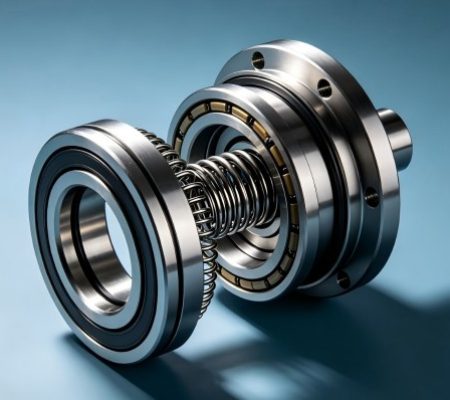
Second, they provide wear resistance and vibration damping—under harsh operating conditions of high-speed rotation and media scouring, mechanical seals, through special materials (such as silicon carbide and carbon graphite) and wave spring design, reduce frictional losses and extend seal life.
Third, they ensure system stability—the reliability of the mechanical seal directly affects the continuous operation capability of the circulating pump. Failure may lead to downtime for maintenance, impacting the efficiency of the entire desulfurization process.
Therefore, the performance of the mechanical seal directly determines the operating cost and safety factor of the desulfurization equipment, making it an indispensable ‘invisible guardian’ in desulfurization technology.
From the hazards of hydrogen sulfide to the necessity of desulfurization, and then to the core role of mechanical seals in desulfurization equipment, these three aspects form an interconnected technological logic chain. In the future, with increasingly stringent environmental standards and the development of intelligent industrial equipment, desulfurization technology will focus more on high efficiency, low consumption, and long-cycle operation, while the innovation of mechanical seals will continue to drive the desulfurization system towards a safer and greener direction.