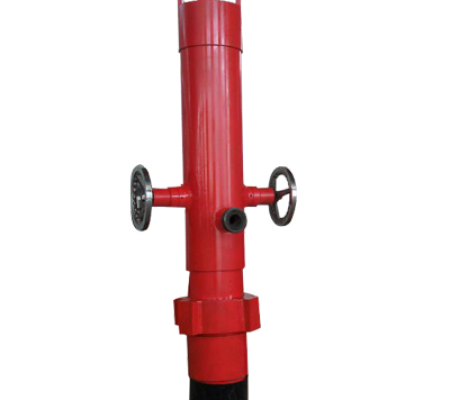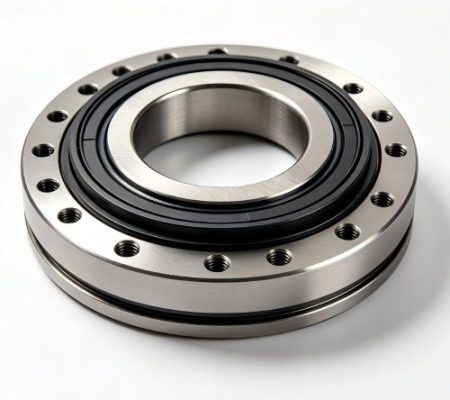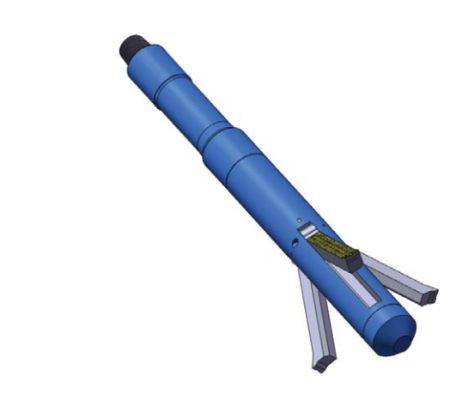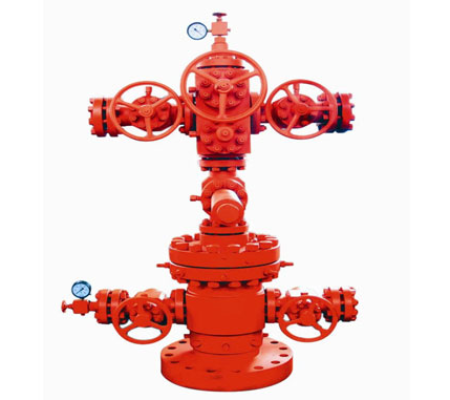
Throughout the entire life cycle of an oil or gas well, wellhead tools perform essential functions such as pressure containment, sealing, connection, and operational switching. The quality of their design directly affects operational safety and well control reliability. Compared with highly visible parameters such as material strength and pressure ratings, certain subtle but influential design details are frequently overlooked. These details may not cause immediate failure, but under long-term service or extreme conditions, they can amplify risks and become key contributors to wellhead failure.
Geometric Matching Accuracy of Sealing Contact Surfaces
In wellhead tool design, sealing structures are often regarded as mature technologies. However, the geometric matching of sealing contact surfaces is a detail that is easily underestimated. Whether metal-to-metal seals or composite metal–nonmetal seals are used, contact angles, surface roughness, and load distribution have a direct impact on sealing stability.
If seal angles or end-face geometries are improperly designed, localized stress concentrations may develop under pressure, leading to micro-deformation of the sealing surfaces and the formation of potential leakage paths. In addition, some designs rely excessively on assembly preload while neglecting the mechanical behavior of pressure-energized sealing. As a result, sealing performance becomes highly sensitive to installation quality. Such issues are difficult to detect during the design phase but often emerge after repeated start–stop operations or pressure cycling.
Stress Transition Design in Pressure-Bearing Structures
Wellhead tools are subjected to high internal pressure, axial loads, and external environmental forces. However, pressure resistance is often verified solely through wall thickness or material grade, while the continuity of stress transitions is overlooked. Locations such as shoulders, chamfers, and thread roots can easily become stress concentration zones if geometric transitions are not smooth.
Under long-term service conditions, these stress concentration areas may serve as initiation sites for fatigue cracks or stress corrosion cracking. This risk is especially pronounced in high-pressure injection wells or wells with frequent operations, where pressure fluctuations repeatedly act on structurally weak zones and accelerate localized damage. Therefore, appropriate fillet radii, smooth transition profiles, and well-defined load transfer paths are fundamental design details that must not be ignored.
Insufficient Operating Condition Adaptability and Design Margin
Wellhead tools are typically designed and verified based on specific operating parameters, such as pressure, temperature, and fluid composition. In actual operations, however, well conditions often involve uncertainties, including temperature variations, changes in fluid chemistry, or short-term overpressure events. This reality requires wellhead tools to possess adequate adaptability to varying conditions.
Some designs, in an effort to achieve compact structures or reduce costs, incorporate limited redundancy and minimal safety margins. While such tools may perform adequately within nominal design conditions, their performance can deteriorate rapidly once operating parameters deviate from the design envelope. This “boundary-focused” design approach may not cause immediate problems but significantly reduces fault tolerance and service life.
Conclusion
The reliability of wellhead tools depends not only on material grades and rated parameters but also on design details related to sealing geometry, stress transitions, and operating condition adaptability. Although these aspects are less visible, they play a decisive role in long-term operation and complex service environments. Only by systematically addressing and optimizing these critical design details at the design stage can wellhead tools deliver stable, safe, and predictable performance in real-world applications.