In oil and gas drilling and workover operations, wellhead tools play a critical role in transmitting torque, maintaining pressure sealing, and connecting the wellbore to surface equipment. However, torsional failures of wellhead tools occur frequently in field operations, disrupting construction schedules and potentially triggering well control risks and equipment losses. Analysis shows that such failures are rarely caused by a single factor, but rather by a combination of design limitations, operational practices, and management issues. Reducing the incidence of torsional failures requires early risk identification and the implementation of effective preventive measures.
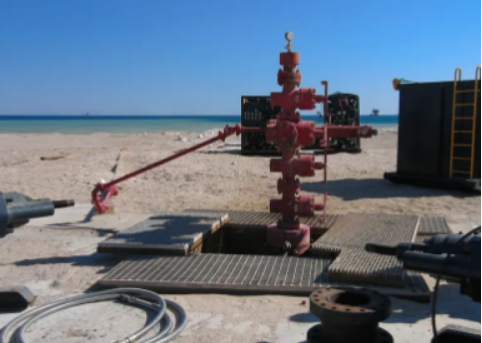
Control Torque Properly to Avoid Overloading
One of the most direct causes of wellhead tool torsional failure is the application of torque beyond the tool’s design capacity. In field operations, excessive tightening is sometimes used in an attempt to ensure secure connections, causing the tool to remain under high stress for extended periods and eventually leading to sudden or fatigue-related fracture.
To prevent this, the rated torque limits of wellhead tools should be clearly defined and verified based on well depth, thread specifications, and operating conditions. During operations, calibrated torque equipment should be used instead of relying on experience alone. By keeping applied torque within a safe operating range, the risk of structural failure can be significantly reduced.
Pay Close Attention to Thread and Connection Condition Management
Many torsional failures do not occur in the main body of the tool, but rather at thread roots or connection transition zones. These areas are natural stress concentration points and are highly susceptible to failure if wear, corrosion, or manufacturing defects are present.
Preventive measures should include mandatory inspection of thread conditions before use. Visual examination and gauge measurements can help confirm thread integrity and proper fit. Proper use of thread lubricant reduces friction during make-up, allowing torque to be distributed more evenly and minimizing localized stress. For tools that have been used multiple times or have long service histories, special attention should be paid to fatigue accumulation in connection areas.
Optimize Tool Selection and Service Life Based on Operating Conditions
Different well types and operational stages impose varying load requirements on wellhead tools. If tool selection does not match actual operating conditions, torsional failure may occur even when procedures are followed correctly. High-pressure, high-temperature environments or operations involving frequent tubing run-in and pull-out cycles significantly increase alternating loads on wellhead tools, placing higher demands on material strength and structural design.
To prevent torsional failures, tool selection should be tailored to specific operating conditions, and service life should be properly managed. Avoiding prolonged use of the same tool under high-load conditions helps reduce fatigue damage accumulation. Establishing usage records to track service cycles and operating environments allows potential risks to be identified at an early stage.
Management Factors Behind Torsional Failures Should Not Be Overlooked
Beyond technical causes, inadequate management can significantly increase the likelihood of wellhead tool torsional failures. Unclear tool origins, unknown usage history, and lack of standardized operating procedures all contribute to uncontrolled risk. Incorporating wellhead tools into a standardized management system, with clearly defined inspection, usage, and replacement processes, is an essential step in reducing failure incidents.
Conclusion
Torsional failures of wellhead tools are not unavoidable; they represent engineering risks that can be identified and effectively controlled. By properly managing applied torque, closely monitoring thread and connection conditions, and optimizing tool selection and service life according to operating conditions, the likelihood of failure can be significantly reduced. In high-intensity oil and gas operations, remembering and implementing these three key preventive measures is essential to ensuring wellhead safety and maintaining smooth, efficient operations.