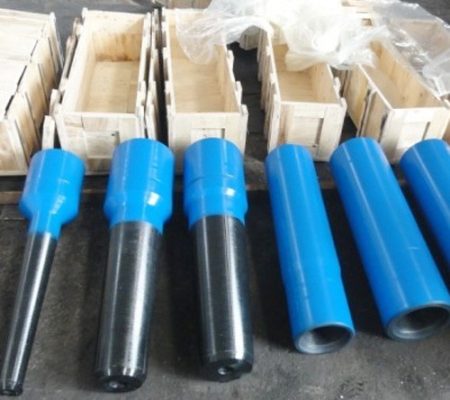
High-pressure well sites present distinct operating conditions during oil and gas exploration and development, characterized by high pressure, concentrated energy, and significant risk levels within the wellbore. As critical equipment that directly enters the wellbore and participates in operations, the performance and reliability of downhole tools directly impact construction safety and operational continuity. Under high-pressure environments, downhole tools must meet more stringent technical and structural requirements than those in conventional well sites.
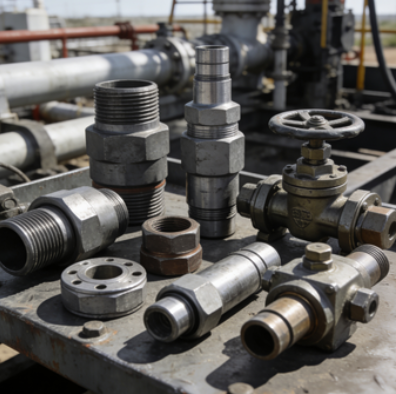
Pressure-Bearing Capacity Requirements of Tools in High-Pressure Environments
The most significant characteristic of high-pressure well sites is the high pressure level within the well, placing higher demands on the structural strength of downhole tools. The tool body must possess sufficient pressure-bearing capacity to withstand continuous or instantaneous high pressure within the wellbore. Material selection, wall thickness design, and overall structural form all directly affect the stability of the tool under high-pressure conditions.
Furthermore, pressure changes are frequent in high-pressure environments, requiring tools to maintain morphological stability during pressure application to avoid deformation or failure. Tools with insufficient pressure-bearing capacity are prone to sealing failure or structural damage during operations, increasing well control risks.
The Importance of Sealing Performance in High-Pressure Well Sites
Under high-pressure well site conditions, the sealing performance of downhole tools is particularly critical. The impact of high-pressure fluids on sealing structures is more pronounced; any minute sealing defects can be amplified under high pressure, leading to leaks.
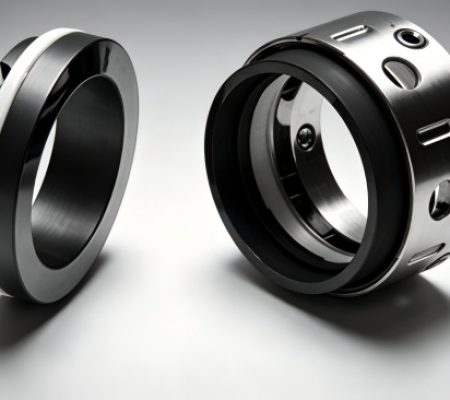
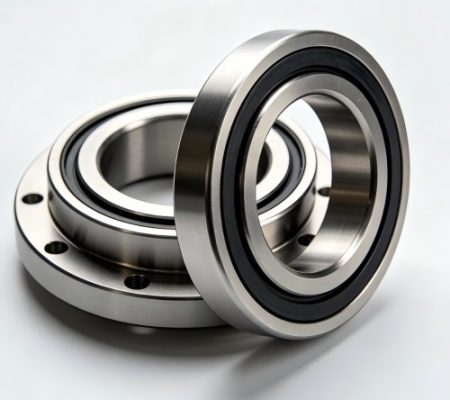
Downhole tools typically contain multiple sealing points, and these sealing structures need to maintain long-term stability in high-pressure, high-temperature, and complex media environments. The pressure resistance, aging resistance, and assembly precision of the sealing materials directly affect the overall reliability of the tool. Good sealing performance is a crucial guarantee for the safe operation of downhole tools in high-pressure well sites.
Requirements for Adaptability and Operational Reliability
The fast-paced nature of high-pressure well site operations places higher demands on the adaptability of downhole tools. Tools need to remain sensitive and functionally stable under high-pressure conditions, avoiding sluggish response or abnormal operation due to pressure.
Simultaneously, the risks of operation are concentrated in high-pressure environments, and the difficulty of handling tool failures increases significantly. Therefore, downhole tool design emphasizes structural simplification and functional reliability, reducing unnecessary complex mechanisms to maintain controllability under high-pressure conditions and provide a higher safety margin for field operations.
Conclusion
High-pressure well sites place special requirements on downhole tools, primarily in terms of pressure-bearing capacity, sealing performance, and adaptability to operating conditions. Only when structural strength and functional reliability are fully guaranteed can downhole tools adapt to the working environment of high-pressure well sites. Appropriate selection and application based on these requirements will help improve the safety and stability of high-pressure well site operations.