In oil and gas well operations, the safety and reliability of wellhead tools directly affect operational efficiency and personnel safety. As a critical load-bearing component connecting the elevator to the hoisting system, the Elevator Link (also known as a lifting ring or lifting rod) plays a vital role in pipe handling operations. Improper adjustment can lead to reduced efficiency, equipment damage, or even serious safety accidents. Therefore, mastering proper elevator link adjustment techniques is essential to ensuring safe and stable wellsite operations.
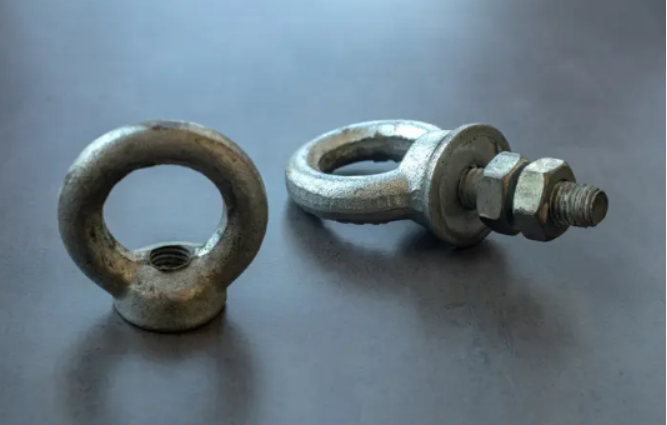
What Is an Elevator Link?
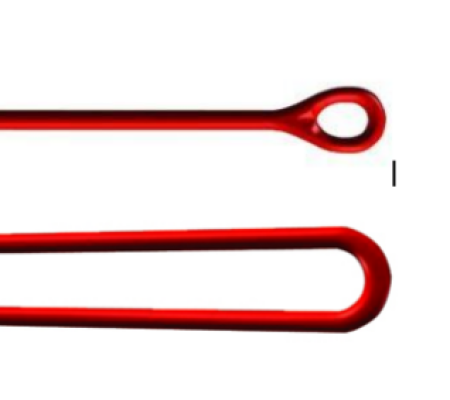
An Elevator Link is a load-bearing wellhead tool used to connect the elevator with the traveling block or hoisting system. Its primary function is to evenly transfer lifting loads during tubing or casing running and pulling operations. Elevator links are typically used in pairs and are subjected to repeated tensile forces and impact loads. As a result, they require high strength, precise dimensions, and correct installation and adjustment.
Pre-Adjustment Inspection of Elevator Links
Before adjustment begins, a thorough inspection of the elevator links is required to establish a safe operating foundation.
First, inspect the external condition of the links. Check for cracks, deformation, excessive wear, or corrosion. Any visible structural defect can be amplified under load and should be addressed immediately by replacement.
Second, verify the specifications. Elevator links must match the elevator and hoisting system in terms of rated load, length, and connection dimensions. Using mismatched components can result in uneven loading or mechanical failure.
In addition, inspect critical areas such as pin holes and connection points to ensure smooth engagement without binding or abnormal clearance.
Key Techniques During Elevator Link Adjustment
1. Ensure Balanced Load Distribution
Elevator links are used in pairs, and balanced loading is crucial. During adjustment, confirm that both links are of equal length and installed symmetrically. Uneven load distribution can cause premature fatigue on one side, reducing service life and increasing safety risks.
Measuring center distances and observing load behavior during lifting can help confirm balanced force distribution.
2. Control Clearance and Mobility
Elevator links require a certain degree of movement during operation, but excessive clearance can increase impact loads. Proper adjustment ensures that pins are securely installed while still allowing smooth rotation without excessive play, minimizing wear and mechanical shock.
3. Perform Step-by-Step Load Testing
Avoid full-load operation during initial adjustment. Begin with no-load lifting to verify correct installation, then gradually apply load during trial lifts. This staged approach allows early detection of misalignment or abnormal stress conditions, reducing the risk of failure.
4. Monitor Dynamic Performance During Operations
Adjustment is not limited to static inspection. Observe the elevator links during actual pipe handling operations. Pay attention to abnormal noises, excessive swinging, or unusual wear patterns, as these may indicate improper adjustment or hidden issues.
Post-Adjustment Maintenance and Re-Inspection
After adjustment and commissioning, ongoing maintenance is essential. Establish a regular inspection schedule, especially for high-frequency or high-load operations.
Key inspection points include wear on the elevator links, pin condition, and signs of fatigue or deformation. If any abnormality is detected, the equipment should be removed from service immediately to prevent further risk.
Conclusion
Although the Elevator Link (lifting ring or lifting rod) is a fundamental wellhead tool, its adjustment quality has a direct impact on the safety and stability of the entire hoisting system. By following standardized adjustment procedures, ensuring balanced loading, and maintaining routine inspections, operational risks can be significantly reduced. Attention to elevator link adjustment details is a fundamental requirement for achieving safe, efficient, and reliable wellsite operations.