In oil and gas field operations, aging wellhead equipment has become an increasingly common issue as production facilities remain in service for extended periods. Retrofitting, replacing, or overhauling old wellhead equipment is essential for maintaining safe and stable operations. During these processes, wellhead tool lifting rings play a critical role in lifting and positioning heavy components. Proper selection directly affects lifting safety and operational efficiency. This article explains how to select wellhead tool lifting rings for old equipment retrofit projects.
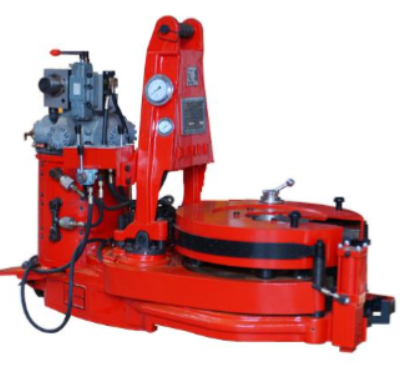
Characteristics of Old Wellhead Equipment Retrofit Operations
After long-term service, old wellhead equipment often shows wear, corrosion, and outdated design standards. In many cases, original technical documentation is incomplete, making actual equipment weight uncertain.
In addition, wellhead operations are typically performed in confined spaces. Lifting tasks may involve off-center loads, angled lifting, or short-distance repositioning, all of which place higher demands on the load capacity and stability of lifting rings.
Determining Equipment Weight and Lifting Conditions
Before selecting a wellhead tool lifting ring, it is essential to estimate the actual weight of the equipment being lifted, including components such as casing heads, tubing heads, and Christmas trees. When exact data is unavailable, estimates should be based on similar equipment and on-site experience.
Lifting conditions must also be evaluated carefully. Vertical lifting, angled lifting, and alignment during installation all result in different load distributions. Lifting ring selection should never be based solely on nominal equipment weight.
Structural Selection of Wellhead Tool Lifting Rings
For retrofit applications, dedicated wellhead tool lifting rings are generally more suitable than general-purpose lifting hardware. These lifting rings are designed to match wellhead equipment interfaces, providing clear load paths and reducing localized stress concentrations.
When lifting angles or center-of-gravity shifts are unavoidable, lifting rings that can accommodate multi-directional loading should be prioritized. This helps reduce side loading on wellhead connections and improves overall lifting safety.
Material and Strength Grade Considerations
Wellhead tool lifting rings are commonly used under high loads and intermittent impact conditions, making material selection critical. High-strength alloy steel lifting rings offer superior tensile strength and fatigue resistance, making them well suited for retrofit projects where uncertainties are higher.
Selection should be based on clearly marked rated load capacity, material specifications, and inspection or certification records. Lifting rings with unknown strength grades or excessive service history should be avoided.
Fit and Condition of Wellhead Connections
Old wellhead equipment often suffers from worn threads, deformed connection surfaces, or corrosion. These issues can significantly reduce the effective load capacity of a lifting ring.
Before installation, all connection points should be inspected and cleaned. Repair or replacement of damaged threads may be required to ensure proper engagement and safe load transfer between the lifting ring and the wellhead component.
Environmental Factors Affecting Lifting Ring Selection
Wellhead environments commonly involve mud, oil contamination, high humidity, and corrosive substances. These conditions accelerate material degradation and reduce service life.
For retrofit operations, lifting rings with corrosion-resistant coatings or surface treatments are recommended. Reuse cycles should be carefully controlled to prevent failures caused by material fatigue or corrosion.
Conclusion
In old wellhead equipment retrofit projects, wellhead tool lifting rings may appear small, but they perform a critical function in lifting and positioning heavy components. By accurately assessing equipment weight and lifting conditions, selecting appropriate lifting ring designs, materials, and strength grades, and ensuring proper connection compatibility, operational risks can be significantly reduced. Proper selection of wellhead tool lifting rings is an essential step in ensuring safe and efficient wellhead retrofit operations.