In the field of oil and gas exploration and development, well control equipment is core equipment for ensuring operational safety and preventing blowouts. Its installation and maintenance costs directly impact not only the economic benefits of enterprises but also the sustainable development of the industry. However, due to multiple factors such as technological complexity, environmental adaptability, and the degree of management sophistication, the total life-cycle cost of well control equipment is often high.
Installation Costs: A Dual Test of Technical Threshold and Resource Investment
The installation of well control equipment must meet high-precision and high-reliability technical requirements. Its cost structure covers multiple stages, including equipment procurement, transportation, commissioning, and supporting engineering.
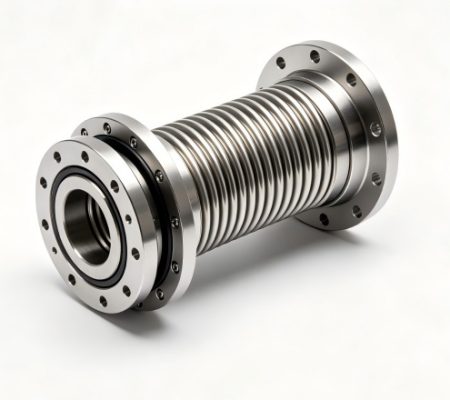
Customized Equipment Needs: Different well types and geological conditions require different pressure ratings and interface specifications for well control equipment, necessitating customized design and production. For example, high-pressure deep wells require blowout preventer (BOP) assemblies with higher pressure resistance, while special geological conditions may require non-standard connections between the BOP and casing head. This customization requirement leads to significantly higher equipment procurement costs compared to standardized products.
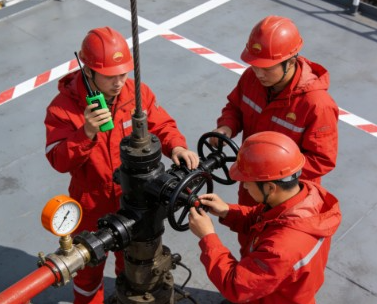
Transportation and Installation Challenges: Well control equipment is bulky and heavy, requiring specialized vehicles and route planning for transportation. International shipping also involves additional costs such as tariffs and insurance. Installation requires a professional team; for example, hoisting the blowout preventer assembly requires large lifting equipment, and commissioning requires testing parameters such as sealing performance and hydraulic system pressure. Labor, material, and travel expenses further increase costs.
Supporting Engineering Investment: Well control equipment needs to be integrated with drilling rigs, mud pumps, and other systems. Before installation, infrastructure modifications such as site leveling, power supply, and network cabling must be completed. For example, in special environments such as deserts or offshore platforms, additional investment is required in waterproofing, corrosion prevention, and earthquake resistance measures, further increasing installation costs.
Maintenance Costs: A Continuous Challenge of Technology Intensity and Resource Consumption
The maintenance cost of well control equipment spans its entire lifecycle, including routine maintenance, periodic inspections, fault repair, and parts replacement. Its high cost is mainly reflected in three aspects:
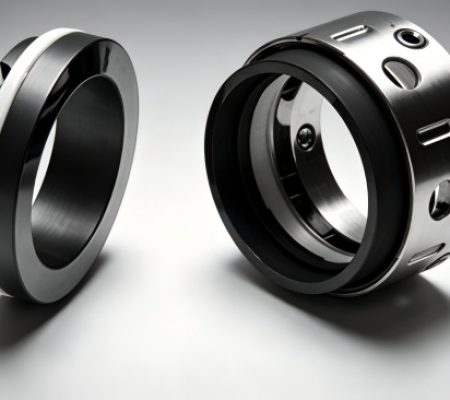
Technological Complexity: Well control equipment involves multiple interdisciplinary technologies such as hydraulic control, sealing technology, and high-pressure materials. Maintenance requires a professional team and precision instruments. For example, blowout preventer (BOP) repair requires testing parameters such as metal fatigue and hydraulic system pressure, with repair costs for a single unit reaching tens of thousands of yuan. Replacing seals on choke manifolds requires specialized tools, resulting in high labor costs.
Spare parts wear and inventory pressure: Internal BOPs have expiration dates and need to be inspected or replaced before being deployed to the well, increasing costs per well. Casing head and neck flanges are difficult to reuse due to model differences, leading to inventory buildup and resource waste. Furthermore, imported equipment spare parts are expensive; for example, spare parts for some imported valves are 3-4 times more valuable than domestically produced equivalents, further increasing maintenance costs.
Environmental adaptability costs: High temperature, high pressure, and corrosive downhole environments accelerate equipment aging, requiring the use of special materials such as high-temperature alloys and anti-corrosion coatings, and shorter maintenance cycles. For example, in wells containing hydrogen sulfide, well control equipment needs to be equipped with sulfur-resistant materials, and sulfide corrosion needs to be regularly monitored, increasing maintenance costs by more than 30% compared to ordinary wells.
Management Optimization: From Extensive to Refined Cost Reduction Paths
Faced with high cost challenges, the industry is exploring cost reduction and efficiency improvement paths through management innovation and technological upgrades:
Standardization and Modular Design: Unifying well control equipment interface standards, pressure levels, and accessory specifications reduces customization needs. For example, promoting universal neck flanges and slips enables cross-wellhead reuse, reducing inventory types and procurement costs. Modular design shortens on-site installation time; for example, skid-mounted well control equipment integrates core components into a housing, allowing for immediate use on-site, shortening the construction period by more than 50%.
Preventive Maintenance and Intelligent Monitoring: Utilizing IoT sensors to collect equipment operation data in real time, and using AI algorithms to predict failure risks and plan maintenance in advance. For example, after implementing an intelligent monitoring system, an oilfield saw a 40% decrease in equipment failure rate and a 25% reduction in maintenance costs. Simultaneously, establishing equipment health records records maintenance history, parts replacement cycles, and other data to optimize maintenance strategies.
Full Lifecycle Cost Management: Establishing a full-process cost model from equipment selection, procurement, installation to maintenance and disposal optimizes resource allocation. For example, by adopting a ‘disassembly and inspection before certification’ model, the certification cost of blowout preventers was reduced by over 1.8 million yuan; the introduction of a multi-party price negotiation mechanism reduced the certification cost of large-diameter conversion flanges by 16%. Furthermore, strengthened cooperation with suppliers and implementation of zero-inventory management for spare parts reduced capital tied up in inventory.
Personnel training and skills enhancement: Strengthening training for well control equipment operators and maintenance personnel improved standardized operating procedures and reduced equipment damage caused by human error. For example, one project, through regular skills assessments and incentive mechanisms, reduced the equipment misoperation rate to below 1%, indirectly saving over one million yuan in maintenance costs.
The high installation and maintenance costs of well control equipment are essentially a reflection of the dual pursuit of safety and efficiency in technology-intensive industries. While high costs increase the burden on enterprises in the short term, in the long run, they create greater value for enterprises by reducing blowout risks, extending equipment lifespan, and improving operational efficiency.