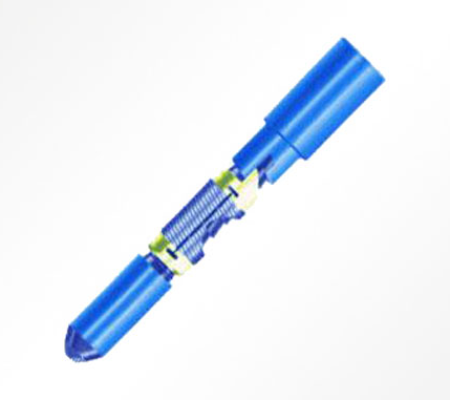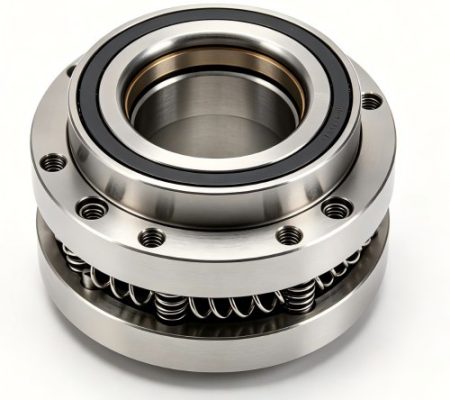
During oil drilling and hoisting operations, the structural connections between equipment often determine the operational stability of the entire system. As a critical component linking hoisting equipment to the lifting system, the elevator connection plays a pivotal role in bearing and transmitting loads during frequent lifting cycles, heavy-duty operations, and complex working conditions. If connection components become loose or lack sufficient structural strength, operational efficiency is compromised, and significant safety hazards may arise. Elevator connections typically feature high-strength structures and wear-resistant materials to meet the demands of prolonged, heavy-load operations. In practical applications, they serve not merely as simple connecting pieces, but as a fundamental cornerstone ensuring the stable operation of the equipment.
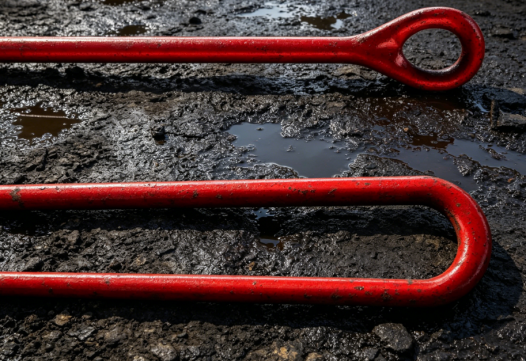
Providing Stable Load Transmission and Reducing Operational Fluctuations
During the operation of a hoisting system, the stability of load transmission is paramount.
- Through high-strength structural designs, elevator connections establish rigid links between equipment, ensuring that loads are distributed uniformly across the entire hoisting system.
- During frequent lifting operations, they effectively mitigate structural fluctuations caused by impact forces, thereby maintaining smooth system operation.
This capability for stable force transmission serves as a vital safeguard for the proper functioning of the equipment.
Enhancing Structural Strength and Improving Load-Bearing Reliability
Heavy-duty operating environments impose rigorous demands on the structural strength of connection components.
- Elevator connections are typically manufactured using high-strength materials—such as alloy steel—capable of withstanding substantial tensile forces and impact loads.
- They maintain their structural integrity throughout prolonged periods of use, thereby minimizing the risk of failure caused by material fatigue.
This enhanced load-bearing capacity significantly boosts the overall reliability of the system.
Optimizing Connection Structures to Minimize the Risk of Loosening
The stability of connections directly impacts the operational safety of the equipment.
- Through sound structural design, elevator connections remain securely fastened even under load-bearing conditions, effectively preventing loosening or misalignment.
- They maintain a stable connection status even within complex working environments, thereby ensuring the operational continuity of the equipment.
This structural optimization reinforces the safety and stability of the entire system.
Adapting to Complex Conditions and Ensuring Long-Term Operation
Diverse operating environments impose varying requirements on connection components.
- Elevator connections possess excellent resistance to impact and wear, enabling them to adapt effectively to high-intensity and frequently recurring operational environments.
- They maintain stable performance even under extreme conditions—such as high temperatures and heavy loads—thereby extending the overall service life of the equipment.
This adaptive capability ensures the reliable, long-term operation of the equipment.
In practical engineering applications, the elevator connection fulfills a fundamental linking function while simultaneously serving as an indispensable component for ensuring the stable and safe operation of the entire hoisting system. From load transfer to structural integrity, and extending to connection stability and environmental adaptability, every aspect directly impacts the overall performance of the equipment. Through proper selection and adherence to operational standards, system operational reliability can be effectively enhanced, the risk of failure minimized, and lifting operations rendered safer and more efficient.