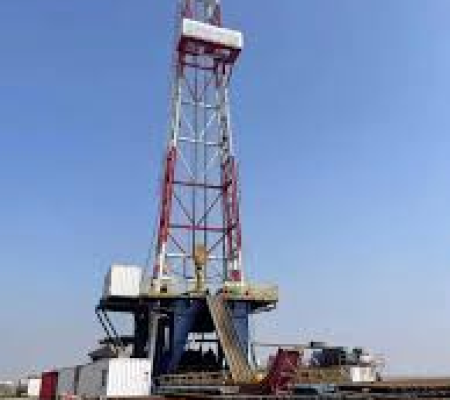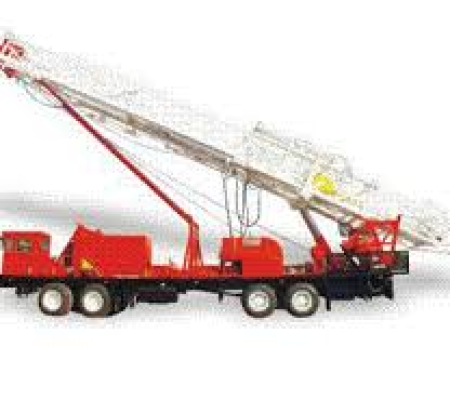
In modern mining, tunnel construction, and underground resource development, inclined shaft drilling rigs have become essential equipment in complex engineering environments. Compared with traditional vertical drilling, inclined shaft operations require much higher angle control accuracy. Once the drilling trajectory deviates from the designed path, it may reduce construction efficiency and even cause tunnel deviation, equipment wear, or safety risks. Therefore, precise angle control technology has become a key standard for evaluating inclined shaft drilling rig performance and an important direction in the advancement of modern drilling engineering.
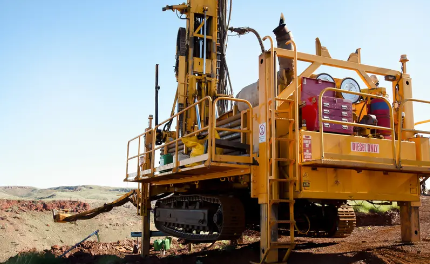
The Role of Structural Design in Angle Control
Precise control of inclined shaft drilling rigs first depends on the stability and adjustment capability of the overall structure.
- The rig chassis usually adopts a high-strength stable structure to reduce equipment deviation during operation
- Guide rails and support systems can adjust drilling angles according to project requirements, improving positioning accuracy
- The connection between the power head and drill rod is designed with high precision to reduce rotational deviation
- In complex terrain, a stable structure helps minimize the impact of vibration on angle control
The greater the structural stability, the smaller the angle control error.
How Hydraulic Systems Achieve Precise Adjustment
Hydraulic systems are one of the core technologies enabling accurate angle control in inclined shaft drilling rigs.
- Hydraulic cylinders can precisely adjust the rig’s pitch angle, enabling fine position control
- Hydraulic control valves regulate output pressure in real time for smoother drilling operations
- In complex formations, the hydraulic system can automatically adjust feed movement according to resistance changes
- Compared with traditional mechanical structures, hydraulic systems respond faster and offer more flexible control
- Continuous adjustment capability effectively reduces the risk of angle deviation
Therefore, hydraulic control has become a fundamental technology in modern inclined shaft drilling rigs.
Application of Sensors and Real-Time Monitoring Systems
To ensure drilling trajectory accuracy, modern inclined shaft drilling rigs widely use real-time monitoring technologies.
- Inclination sensors monitor drill rod direction and angle changes in real time
- Depth monitoring systems synchronously record drilling trajectory and construction data
- Control systems automatically correct deviations based on data feedback to improve construction accuracy
- In long-distance inclined shaft operations, real-time monitoring effectively prevents cumulative errors
Real-time data collection makes angle control more accurate and reliable.
Influence of Drilling Parameters on Angle Control
In addition to equipment structure, operational parameters also affect angle stability during drilling.
- Excessive drilling pressure can cause drill bit deviation and affect directional stability
- Excessive rotational speed may increase drill rod vibration and create angle errors
- Adjusting feed speed according to different rock layers helps maintain a stable drilling trajectory
- Proper matching of torque and feed force reduces drill string deflection
- Dynamic parameter adjustment is especially important in alternating soft and hard formations
Scientific parameter control is essential for achieving precise drilling.
Intelligent Technology Improves Control Precision
With the development of digital technologies, intelligent control is transforming traditional inclined shaft drilling methods.
- Automatic control systems can adjust rig posture in real time based on monitoring data
- Intelligent algorithms can predict formation changes and correct drilling direction in advance
- Remote monitoring systems improve construction safety in complex environments
- Data analysis technology helps optimize construction plans and reduce human error
Intelligent development is pushing inclined shaft drilling rigs toward high-precision automated operation.
Precise angle control in inclined shaft drilling rigs is a critical technology for ensuring construction quality and safety in modern drilling engineering. From stable structural design to hydraulic adjustment systems, from real-time monitoring to intelligent control, all these technologies work together to create a high-precision drilling system. As underground engineering and resource development continue moving toward greater complexity and depth, angle control technologies for inclined shaft drilling rigs are also continuously evolving. In the future, more precise and intelligent control systems will further improve drilling efficiency and engineering safety, providing stronger technical support for modern mining, tunneling, and energy development projects.