In modern drilling engineering systems, the rotary system is the core power unit that enables rock-breaking operations of the entire rig. It not only determines the rotational speed and torque output of the drill bit, but also directly affects drilling efficiency and equipment stability. In energy development, geological exploration, and foundation engineering, the performance of the rotary system often determines whether construction can proceed smoothly. Therefore, understanding its working principle is essential for optimizing construction plans and improving overall engineering efficiency.
Power Source and Transmission Process
The core of the rotary system lies in how power is stably transmitted to the drill bit to achieve effective rock breaking.
- The engine or motor provides the initial power, which is transmitted to the main shaft or rotary table through the transmission system
- During transmission, the energy passes through reduction or regulation devices to adapt to different formation resistance conditions
- Finally, the kelly or top drive drives the drill string, enabling continuous rotation of the drill bit
- Throughout the process, the stability of the transmission chain determines whether the output is continuous and reliable
The smoother the power transmission, the higher the drilling efficiency.
Structural Differences in Drive Methods
Different drive methods determine the performance characteristics and application scope of rotary systems.
- Mechanical drive systems use gears and chains to transmit power, offering simple structure but limited control precision
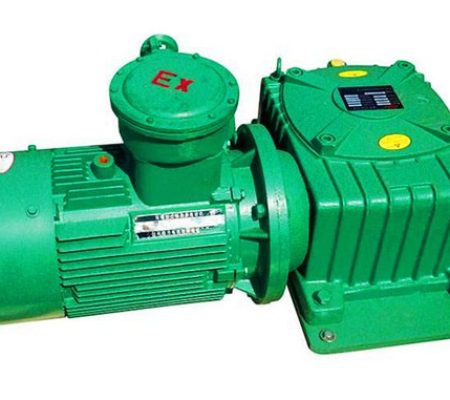
- Hydraulic drive systems use hydraulic motors to output torque, providing smoother operation and better adaptability
- Electric drive systems directly control rotational speed through motors, offering fast response and easy automation integration
Different structures correspond to different engineering requirements and must be selected based on geological conditions.
Dynamic Control of Torque and Speed
The rotary system must continuously adjust output parameters based on formation conditions to ensure drilling efficiency.
- In hard rock formations, torque is increased to enhance rock-breaking ability while reducing speed for stability
- In soft formations, higher rotational speed is used to improve drilling efficiency
- Control systems monitor load changes in real time through sensors and automatically adjust parameters
- Proper matching of torque and speed effectively reduces equipment wear
- Dynamic adjustment is especially critical in complex formations
This control capability is a key foundation of modern drilling efficiency.
System Stability and Vibration Reduction Design
Since rotary systems operate at high speed, stability and vibration control are crucial.
- Vibration reduction devices minimize swing amplitude during drill string rotation
- Balanced structural design reduces the impact of eccentric forces on the equipment
- Hydraulic or electronic control systems provide smooth power output to reduce shock loads
- Stable operating conditions help extend the service life of drill bits and drill rods
Higher stability directly reduces overall construction risks.
Intelligent Control and System Integration Development
With technological advancement, rotary systems are evolving toward intelligent and integrated operation.
- Sensors are used to collect real-time data such as torque and rotational speed
- Control systems automatically optimize operating parameters based on data feedback
- Coordination with mud circulation systems improves cuttings removal and cooling efficiency
- Remote monitoring and data analysis enable digital drilling management
This intelligent trend is transforming traditional drilling operations.
As the core power component of drilling equipment, the rotary system involves multiple aspects including power transmission, structural driving, parameter control, and intelligent regulation. From traditional mechanical systems to modern hydraulic and electric solutions, rotary technology continues to evolve, making drilling operations more efficient, stable, and safe. With the industry moving toward deeper formations and greater intelligence, rotary systems will continue to improve and adapt to more complex geological conditions, providing stronger technical support for energy development and foundation engineering, while driving the drilling industry toward higher efficiency and advanced automation.