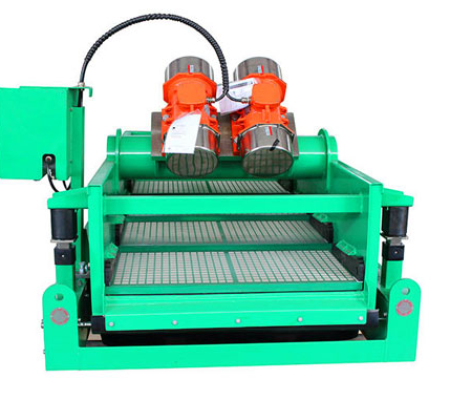
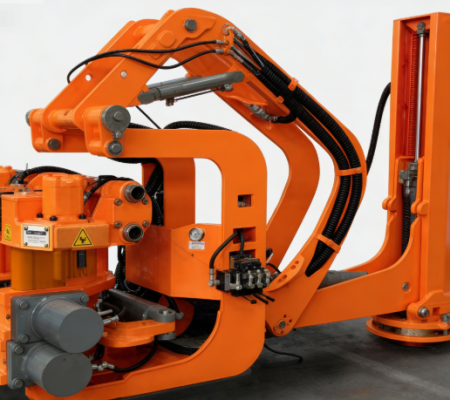
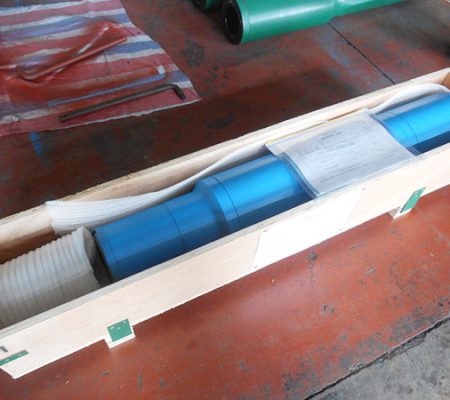
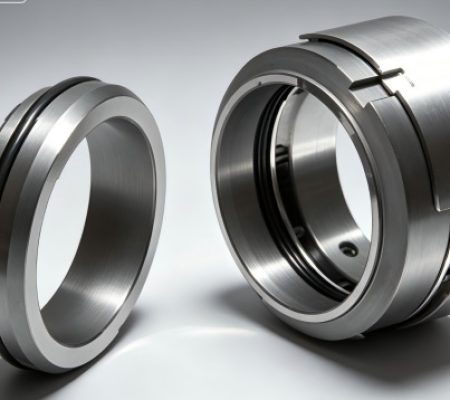
In energy development, mining exploration, and large-scale infrastructure construction, the selection of an industrial-grade drilling rig system directly affects construction efficiency, cost control, and overall project safety. A suitable drilling rig system can not only improve drilling speed but also reduce equipment wear and downtime risks. However, since different engineering environments have significantly different requirements for rig performance, structure, and intelligence level, the selection process must consider multiple factors comprehensively rather than relying solely on price or a single specification.

Selecting Based on Engineering Type
The first step in choosing an industrial drilling rig system is to match it with the specific application scenario, as different tasks require different equipment performance.
- Mining operations typically require high-torque, heavy-duty rigs with strong durability to handle complex hard rock formations
- Geological exploration projects prioritize mobility and adaptability, often using light or trailer-mounted drilling rigs
- Tunnel and underground engineering requires higher stability and precise control, demanding specialized rig configurations
- Water well and foundation construction projects favor simpler, easier-to-operate, and cost-effective standard models
- Emergency engineering scenarios require mobile rigs with fast deployment capability
Different engineering types determine the fundamental direction of equipment selection.
Power System and Drive Method Selection
The power system is one of the core factors determining drilling rig performance and working conditions.
- Diesel-powered systems are suitable for field operations without electricity, offering strong independent working capability
- Electric drive systems have lower operating costs and are suitable for fixed industrial sites or controlled environments
- Hydraulic drive systems provide stable output and high precision control, making them ideal for complex formations
- Hybrid systems balance energy efficiency and performance, making them suitable for large-scale integrated projects
The choice of power system directly impacts efficiency and energy consumption structure.
Structural Design and Functional Configuration
Structural design determines stability, expandability, and long-term operational cost of the equipment.
- Mechanically structured rigs are low-cost and easy to maintain but have limited automation capability
- Hydraulic structured rigs offer higher control precision and are suitable for complex geological conditions
- Modular designs facilitate transportation and rapid on-site assembly, improving construction flexibility
- High-strength frame structures enhance impact resistance, suitable for hard rock or high-load operations
- Multi-functional expansion interfaces help adapt to different construction requirements
Better structural design leads to higher overall construction efficiency.
Intelligence and Automation Level
With the advancement of digital engineering, intelligent systems have become an essential part of industrial drilling rigs.
- Automatic drilling control systems adjust parameters in real time based on formation changes, improving stability
- Sensor systems monitor torque, pressure, and rotational speed for data-driven management
- Remote control functions improve operational safety in complex environments
- Data analysis systems optimize drilling paths and reduce human errors and resource waste
- Intelligent alarm systems detect abnormal conditions and reduce operational risks
Higher intelligence levels significantly improve project management efficiency.
Maintenance Cost and Long-Term Operating Economy
In addition to equipment performance, long-term operating cost is a key factor in selection.
- Mechanically simple rigs have lower maintenance costs but limited performance scalability
- Hydraulic systems require higher initial investment but offer better stability and service life
- Wear part replacement frequency directly affects maintenance cost and downtime
- Energy consumption levels determine long-term operational economics and project profitability
- Supply chain stability also impacts maintenance efficiency and cost control
Comprehensive cost evaluation is more important than simple purchase price.
The selection of an industrial-grade drilling rig system is essentially a comprehensive engineering decision that requires evaluation of application scenarios, power systems, structural configurations, and intelligence levels. As the industry continues to move toward higher efficiency, automation, and energy-saving development, the technical standards for drilling rigs are also continuously improving. Only by systematically matching equipment to actual construction needs can its maximum value be realized, achieving the best balance between efficiency and cost control, and providing stable, safe, and efficient technical support for large-scale engineering projects.