In oil and gas development, drilling equipment is the core foundation of exploration and production operations. Different types of equipment directly determine drilling depth, efficiency, and construction safety. As oil and gas extraction moves toward deeper formations, ultra-deep reservoirs, and more complex geological environments, drilling equipment has become increasingly specialized and diversified. Selecting the right type of equipment not only improves drilling efficiency but also reduces operational risks and overall costs.
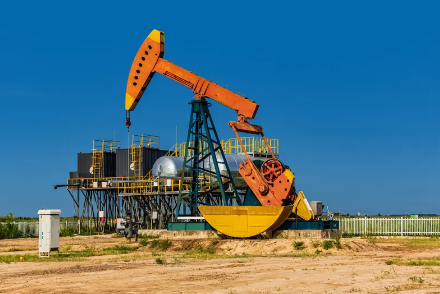
Types of Oil and Gas Drilling Equipment by Function
In oil and gas drilling projects, different equipment performs different operational tasks, so functional classification is one of the most basic and widely used methods.
- Rotary drilling equipment is used for conventional oil and gas wells and is the most widely applied type
- Directional drilling equipment allows controlled well trajectory and is suitable for complex reservoirs
- Coring drilling equipment is used to obtain formation samples for geological analysis
- Sidetracking equipment is used for well redevelopment to improve production efficiency
Different functional equipment is used at different stages of development.
Types of Drilling Equipment by Mobility
Oil and gas drilling often takes place in remote or complex environments, so mobility significantly affects efficiency and adaptability.
- Truck-mounted drilling rigs offer high mobility and are suitable for frequent relocation
- Crawler-mounted rigs provide strong off-road capability for mountains or swamp areas
- Stationary drilling platforms offer high stability for long-term deep well development
- Offshore mobile platforms are used for marine oil and gas extraction
Mobility determines operational flexibility and applicable scenarios.
Types of Drilling Equipment by Power System
The power system is the core of drilling equipment operation. Different power configurations affect energy consumption, control precision, and operational stability, making it a key factor in equipment selection.
- Diesel-powered rigs are widely used in remote areas without electricity supply
- Electric drilling rigs operate smoothly and are suitable for fixed industrial sites
- Hydraulic-driven rigs offer high precision and are suitable for complex formations
- Variable frequency drive systems are energy-efficient and increasingly popular
- Hybrid power systems combine efficiency and energy savings but have higher costs
Power systems determine overall performance and operational economy.
Types of Drilling Equipment by Drilling Depth
Oil and gas resources are found at different depths, so drilling equipment is classified according to drilling capacity to meet various development needs.
- Shallow well drilling rigs are used for surface or preliminary exploration
- Medium-depth rigs are suitable for conventional oilfield development
- Deep drilling rigs are used for complex reservoir extraction
- Ultra-deep rigs are used for high-difficulty energy development and scientific drilling
The deeper the target, the higher the equipment performance requirements.
Types of Drilling Equipment by Working Environment
Different environments require different structural designs and protection levels, making environmental adaptability an important classification factor.
- Onshore drilling rigs are used for conventional oilfield development
- Desert rigs require strong dust resistance and heat tolerance
- Offshore drilling rigs are designed for wind, wave, and stability challenges
- Arctic rigs must withstand extreme cold and ensure low-temperature startup
Environmental adaptability determines reliability and safety.
Oil and gas drilling equipment comes in many types, ranging from functional classification to power systems, mobility, and working environments. Each type has a specific application scenario and technical role. In practical engineering, there is no single best equipment—only the most suitable combination for specific reservoir conditions. As oil and gas development technology continues to evolve, drilling equipment is advancing toward greater intelligence, higher efficiency, and deeper drilling capability, providing stronger technical support for global energy development.