In oil and gas drilling and cementing operations, the cement head is a crucial wellhead device. Although small in size, it plays a vital role in connection, injection, and control throughout the cementing operation. The cement head allows cement slurry to be smoothly pumped into the wellbore, while simultaneously enabling plug placement and fluid isolation, thus ensuring cementing quality. Understanding the function and application of cement heads is essential for understanding cementing processes.
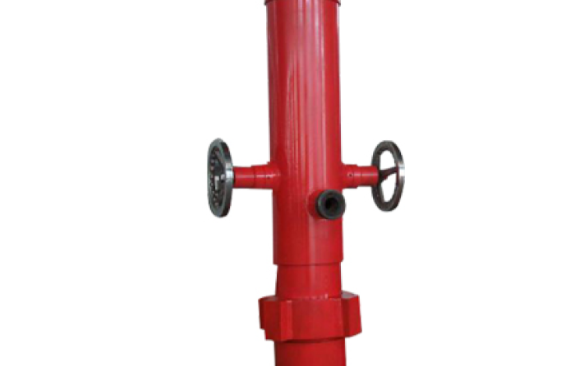
Cement Heads as Important Connection Equipment in Cementing Operations
Cement heads are typically installed at the top of the casing to connect the casing to the high-pressure manifold system. After cementing operations begin, cement slurry needs to be pumped into the casing via surface pumping equipment, and the cement head is the crucial channel for this delivery process. It can withstand high pressure and maintain stable fluid delivery. In modern drilling engineering, cement heads not only perform the delivery function but also need to meet the requirements for rapid installation and removal. Properly selecting cement head specifications can improve construction efficiency, reduce on-site work time, and ensure smooth cementing operations.
Cement heads enable plug placement.
Plug placement is a crucial step in cementing operations, and cement heads are essential tools for this process.
- Deploying the lower plug isolates the drilling fluid from the cement slurry.
- Deploying the upper plug separates the cement slurry from the displacement fluid.
- Ensuring that different fluids do not mix.
- Improving cement slurry replacement efficiency.
- Helping to form a complete cementing structure.
Through the use of a plug system, cement heads can standardize the cementing process, reduce fluid contamination, and improve construction quality.
Cement heads contribute to improved cementing quality.
Cementing quality directly affects the subsequent production safety of oil and gas wells, and cement heads play a vital role in this. By controlling fluid flow direction and pressure changes, cement heads can ensure that cement slurry enters the annulus evenly, improving the sealing effect between the casing and the wellbore. Without stable and reliable cement head equipment, pressure fluctuations and abnormal cement slurry flow may occur during construction, affecting the cementing effect. Stable fluid control capabilities help operators more accurately meet cementing design requirements.
Different Types of Cement Heads Applicable to Different Construction Needs
Depending on the scale of construction and well characteristics, different types of cement head equipment will be used on site.
- Single-plug cement heads are suitable for simple cementing operations.
- Double-plug cement heads are more widely used.
- High-pressure cement heads are suitable for deep well construction.
- Quick-install cement heads improve installation efficiency.
- Special-specification equipment is suitable for complex well conditions.
Choosing the appropriate cement head model ensures that the equipment performance matches the construction requirements, thereby improving overall operational efficiency.
Cement Head Maintenance Affects Service Life
Cement heads operate under high pressure and high wear for extended periods, making daily maintenance crucial. After construction, residual cement slurry must be cleaned promptly to prevent solidification and blockage of the flow channels. Seals, valves, and connections should also be inspected for wear. Good maintenance habits can reduce equipment failure rates and improve the safety of subsequent construction. For equipment frequently involved in cementing operations, regular inspection and replacement of vulnerable parts can effectively extend service life and maintain stable operation.