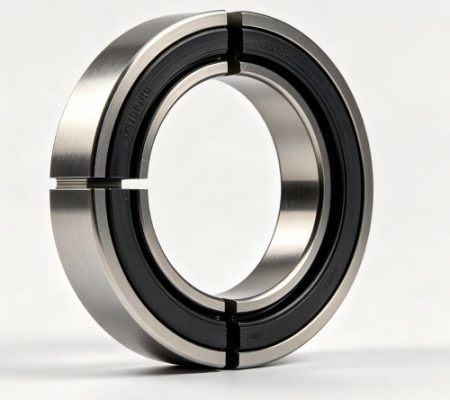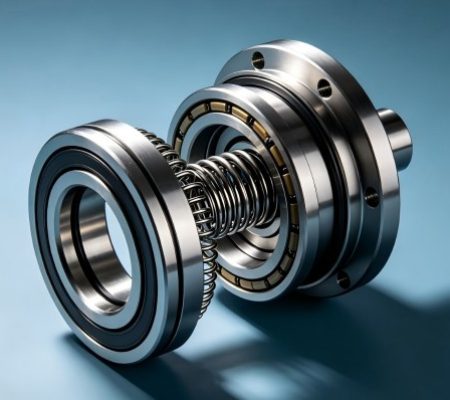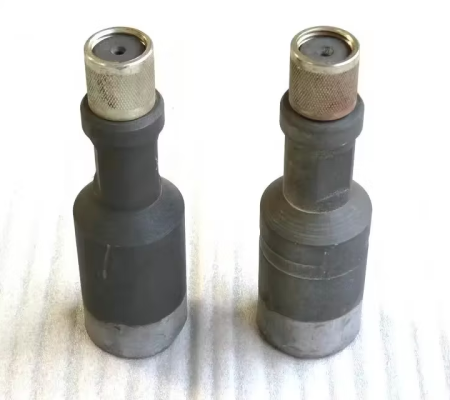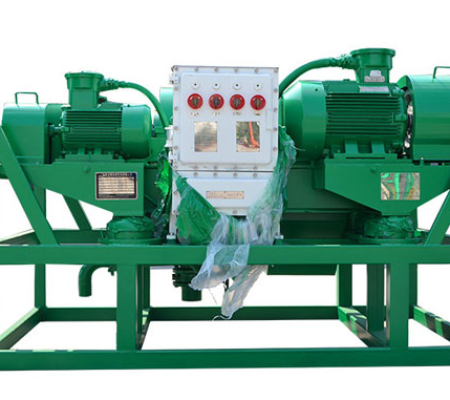
Wellhead tools are essential equipment in oil and gas production, and their stability and safety directly affect wellhead pressure control, operational efficiency, and overall production safety. Since wellhead tools operate under high pressure, high temperature, corrosive fluids, and vibration, lack of proper daily maintenance can lead to wear, aging, or functional degradation, increasing the risk of accidents and maintenance costs. Establishing a systematic daily maintenance routine is crucial to extend the service life of wellhead tools and ensure safe operations. The following guide highlights key maintenance practices, including inspection, cleaning, lubrication, performance testing, and record-keeping.
Regular Visual Inspection
Daily maintenance should start with visual inspections of wellhead components, including flanges, valves, bolts, pipelines, and seals. Observing for leaks, cracks, corrosion, looseness, or deformation helps detect potential hazards early. Inspections should follow a fixed schedule, especially in high-pressure, sour, or offshore environments. Identified issues must be addressed immediately through repair or replacement to prevent minor problems from escalating into safety incidents.
Cleaning and Corrosion Protection
Wellhead tools can accumulate oil, mud, or scale, which may affect operation and sealing if left untreated. Regular cleaning of valves, flanges, and threaded connections is essential to maintain tool longevity. Additionally, applying protective coatings or anti-corrosion and rust-preventive lubricants based on the working environment can slow down corrosion and material degradation, particularly in offshore or sour gas conditions.
Lubrication Maintenance
Moving parts of wellhead tools, such as valve stems, plugs, threaded connections, and pullers, require regular lubrication. Proper lubrication reduces friction and wear, prevents sticking, and ensures smooth operation. Using high-pressure and corrosion-resistant lubricants, and replenishing them according to the working environment, is key to maintaining reliable tool performance.
Performance Testing and Calibration
Beyond visual inspection and lubrication, functional performance checks are essential. Critical equipment like pressure gauges, flow meters, valves, and blowout preventers should be tested and calibrated regularly. Monitoring the accuracy of readings and the responsiveness of valves helps detect early signs of degradation or malfunction, allowing timely repair or replacement to maintain well control safety.
Record-Keeping and Management
Effective maintenance requires systematic record-keeping. Every inspection, cleaning, lubrication, and performance test should be documented, including dates, personnel, identified issues, and corrective actions. Long-term records help analyze wear patterns, predict replacement cycles, and provide reference for future maintenance. This not only improves efficiency but also ensures reliable data for wellhead safety management.
Conclusion
Daily maintenance of wellhead tools is critical for extending equipment life, improving safety, and ensuring operational efficiency. By performing regular visual inspections, cleaning and corrosion prevention, lubrication, performance testing, and detailed record-keeping, engineers can effectively reduce equipment failure rates and enhance system stability. As the oil and gas industry advances toward high-pressure, high-temperature, and intelligent operations, systematic and standardized daily maintenance will become increasingly vital for safe and reliable wellhead management.