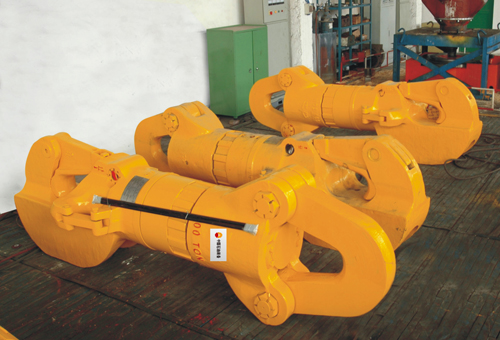
In oil and gas well operations, wellhead tools are critical components connecting surface equipment with downhole operations. Their stability directly affects operational safety and efficiency. However, during actual operations, wellhead tools occasionally experience slippage, which can interrupt work and even pose safety risks. So, what causes wellhead tool slippage, and how can field personnel respond promptly? This article provides a comprehensive analysis of the causes, troubleshooting steps, and preventive strategies to offer practical guidance for field technicians.

Common Causes of Wellhead Tool Slippage
Wellhead tool slippage usually indicates that the tool cannot maintain proper engagement or locking with its connector. The main causes include:
1. Wear or Damage in Connection Parts
Long-term heavy-duty operations can cause wear in key components such as slips, locking bodies, and positioning grooves, reducing locking force and resulting in slippage.
2. Improper Installation or Insufficient Torque
If the installation is not performed according to the specification, or the torque applied is insufficient, incomplete engagement may occur, leading to slippage.
3. Wellhead Pressure Fluctuations
During high-pressure operations such as fracturing or well testing, instantaneous pressure changes can create uneven forces on the connections, causing tools to loosen or slip.
4. Tool Material or Manufacturing Issues
Material fatigue, manufacturing defects, or seal failure may affect the locking mechanism, potentially triggering unexpected slippage.
5. Human Error
Failure to perform pre-installation checks, improper tightening, or neglecting functional tests before lowering the tool are common causes of slippage on site.
Emergency Procedures for Wellhead Tool Slippage
When a wellhead tool slips, immediate and standardized measures must be taken to reduce risks and minimize downtime:
1. Stop Operations and Stabilize the Wellhead
Close related valves or control pressure devices to stabilize the wellhead and prevent further tool movement or blowout risks.
2. Assess the Location and Severity of the Slippage
Use visual equipment, wellhead monitoring systems, or manual inspection to determine whether the tool is partially loose or fully disengaged.
3. Disassemble and Inspect the Faulty Tool
If the tool has slipped, inspect key components such as slips, locking pins, locking bodies, and seals.
4. Replace or Repair Damaged Parts
Worn, deformed, or cracked parts should be replaced immediately, and surrounding equipment should also be checked for potential hazards.
5. Reinstall and Conduct Functional Tests
After reinstalling, perform torque checks, pressure tests, and locking tests to ensure the tool meets safety standards before resuming operations.
6. Record the Incident and Analyze the Cause
Documenting the slippage, operational parameters, and workflow helps provide a basis for future prevention.
Preventive Measures to Avoid Wellhead Tool Slippage
To minimize slippage risks, prevention should focus on design, management, and operational procedures:
1. Improve Tool Quality and Wear Resistance
Selecting high-strength materials and reinforced locking structures can significantly extend service life and reduce slippage probability.
2. Strictly Follow Installation and Inspection Procedures
Before each operation, conduct visual inspections, connection tightening checks, and locking function tests to ensure all components meet torque standards.
3. Strengthen Personnel Training and Operational Protocols
Enhancing operators’ understanding of wellhead tool structure and force mechanisms helps reduce errors caused by inexperience.
Conclusion
Although wellhead tool slippage is common in oil and gas operations, risks can be minimized through careful tool selection, standardized installation, routine inspections, and emergency response procedures. Scientific prevention and standardized operation ensure stable wellhead system performance, providing reliable support for efficient and safe well operations.