Wellhead tools are critical equipment in oil and gas operations, and their transportation directly affects tool integrity, performance, and service life. Improper handling can lead to component damage, seal failure, or structural deformation, increasing maintenance costs and potentially compromising operational safety. Therefore, following proper wellhead tool transportation guidelines is essential for smooth oilfield operations. This article outlines five key points to prevent damage during transportation, covering packaging, handling, transport methods, loading/unloading, and on-site management.

Packaging and Protection Measures
Before transportation, wellhead tools must be properly packaged, especially fragile components such as seals, torque sensors, and hydraulic interfaces. Common methods include using shock-absorbing foam, wooden crates, or steel frames to secure the tools, preventing vibration, collision, or compression damage. Additionally, moisture and rust prevention materials, such as desiccants or anti-corrosion paper, can be added inside packaging to protect tools from humidity and corrosion during transport.
Handling Standards
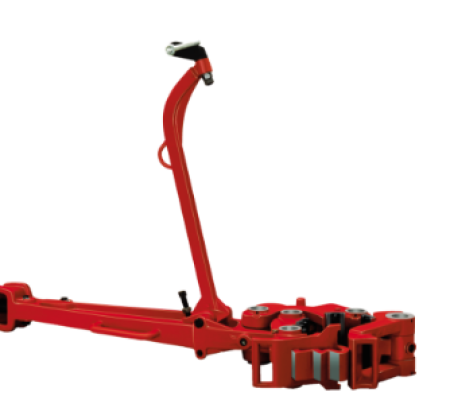
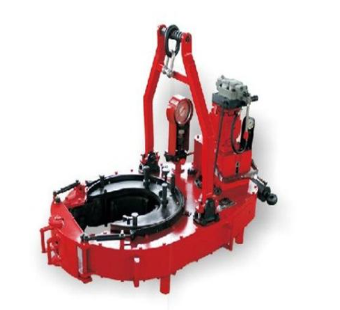
During handling, tools should be lifted carefully, with two-person coordination or mechanical assistance for heavy items. Heavy power tongs or casing tongs should be lifted using hoisting equipment to avoid bending or part damage from manual handling. Operators should wear protective gloves to prevent surface scratches and ensure tools remain stable during movement.
Choice of Transportation Method
Wellhead tools can be transported by road, rail, or sea. When selecting the transport method, consider the tool’s size, weight, and distance. For long-distance or cross-border shipments, vehicles or containers with shock-absorbing features are recommended to maintain tool integrity under bumps or tilting. Hydraulic tools should have hydraulic fluid drained and lines secured before transport to prevent leaks or damage.
Loading, Unloading, and Stacking Management
During loading and unloading, use cranes, forklifts, or other mechanical devices to avoid dropping or collision. Heavy tools should be placed on the bottom layers, with lighter tools on top, maintaining spacing to prevent compression. Clear labels such as “Fragile,” “Heavy,” or “This Side Up” should be used to remind operators to follow safe handling protocols.
Transportation Records and On-Site Management
Establish a transportation record system, including loading lists, tool serial numbers, transport dates, and operator information, to ensure traceability. In case of damage or anomalies, the root cause can be quickly identified. On-site personnel should regularly check the stability of transported tools to ensure they remain secure during transport and unloading, reducing the risk of accidental damage.
Conclusion
Proper transportation of wellhead tools is vital for operational safety and extending tool service life. By implementing secure packaging, careful handling, appropriate transport methods, proper loading and stacking, and maintaining records and on-site management, companies can effectively minimize damage risks and improve operational efficiency. Mastering these key points not only reduces maintenance costs but also ensures reliable and safe oilfield operations.