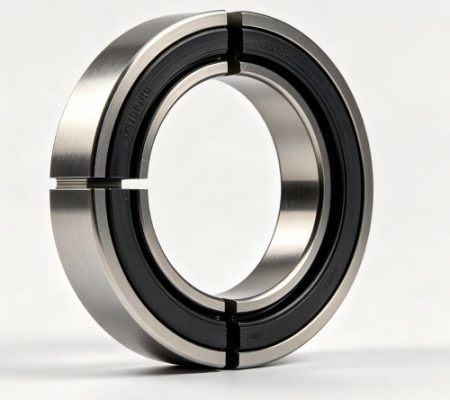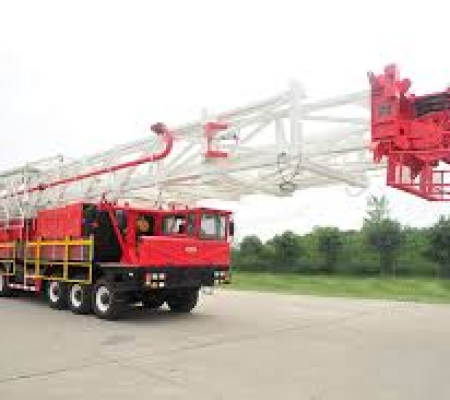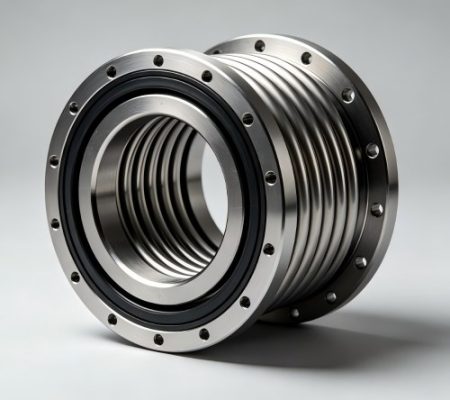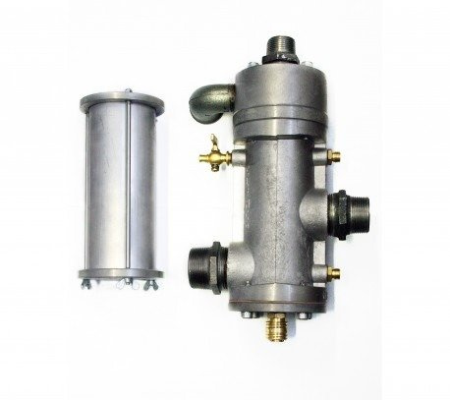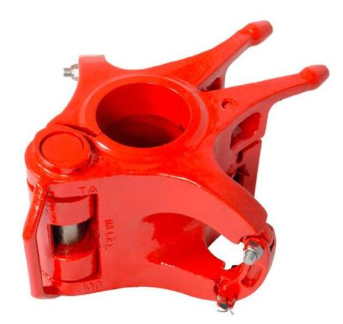
Wellhead tools are essential equipment in oil and gas operations, and their performance directly affects operational safety and efficiency. Whether it is power tongs, slips, or casing tongs, the accuracy and reliability of these tools must be ensured through regular calibration. Proper calibration not only extends tool life but also improves operational quality and prevents wellhead accidents caused by tool inaccuracies. This article provides a detailed explanation of the standard calibration procedure for wellhead tools and key considerations for best practices.
Preparation Before Calibration
Tool Inspection: Before calibration, inspect the tool for visible damage, wear, or loose components.
Environmental Preparation: Calibration should be conducted in a clean, stable environment with appropriate temperature and humidity to avoid external factors affecting measurement accuracy.
Equipment Preparation: Prepare the necessary calibration instruments, such as torque testing benches, force sensors, dynamometers, and calibration manuals.
Standard Calibration Procedure
Initial Measurement: Install the wellhead tool on the calibration device and record key parameters such as torque, gripping force, or rotation angle.
Set Standard Values: Determine standard calibration values based on the tool manual and operational requirements, such as rated torque or maximum gripping force.
Adjust the Tool: Use the tool’s adjustment mechanism or control system to bring the measured values within the specified standard range.
Repeat Measurements: Conduct multiple measurements and adjustments to ensure the tool meets standard requirements under different loads and operating conditions.
Documentation and Certification: After calibration, record all data in a calibration report and have it signed by qualified personnel for traceability and auditing purposes.
Key Considerations
Calibration Interval: Determine calibration frequency based on tool usage and operational environment; tools used frequently or in harsh conditions should be calibrated more often.
Verification of Standard Equipment: Ensure that calibration instruments are regularly verified for accuracy.
Operator Training: Operators should be trained in tool structure, calibration principles, and operational procedures to minimize human error.
Environment and Safety: Keep the calibration area organized and follow safety protocols to prevent damage to tools or personnel.
Digital and Smart Calibration Trends
With the increasing adoption of smart wellhead tools, calibration is moving toward digital solutions. Sensors, IoT connectivity, and automated control enable real-time feedback of tool performance, online calibration, and automatic adjustments, improving precision and efficiency while reducing manual handling risks.
Conclusion
Calibrating wellhead tools is a critical step to ensure safe, stable, and efficient oil and gas operations. By following standardized calibration procedures, adhering to strict operational protocols, and leveraging digital technologies, companies can effectively enhance tool performance, reduce operational risks, and achieve traceable management. Mastering proper calibration methods is fundamental to safe management and high-quality wellhead operations.