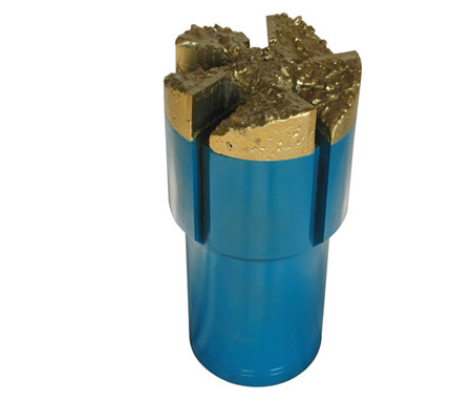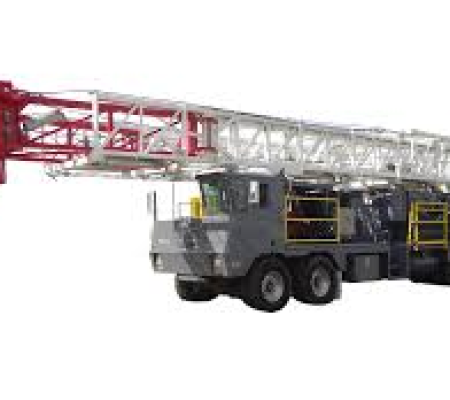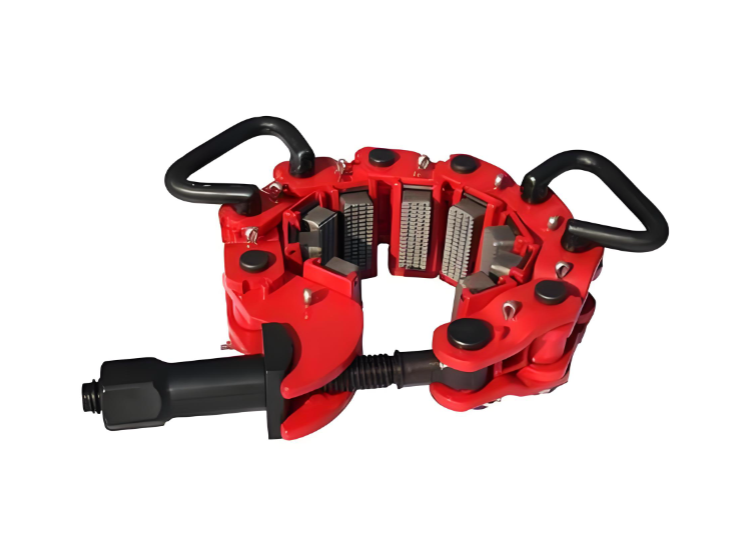
Wellhead tools play essential roles in oil and gas operations, including gripping, supporting, sealing, and running tubulars. When these tools are stored improperly for long periods, they are prone to rust, aging, loss of precision, or even structural damage. Once redeployed, they may reduce operational efficiency or pose safety hazards. Therefore, knowing how to properly store wellhead tools during long-term inactivity is critical for extending service life and ensuring reliable performance.

Thorough Cleaning and Inspection Before Storage
Before placing wellhead tools into long-term storage, a complete cleaning and inspection process is required.
All mud, sand, emulsions, and other contaminants should be removed to eliminate potential corrosion sources. Key components—such as slips, elevators, centralizers, connectors, and valve parts—must be inspected for cracks, excessive wear, spring fatigue, or thread damage. Any issues should be repaired or replaced in advance.
This pre-storage inspection functions as a “health check,” ensuring the tools enter storage in a safe and maintainable condition rather than being stored with existing defects.
Apply Anti-Corrosion Protection to Key Metal Parts
Most wellhead tools are made of alloy or high-strength steel. Even with surface treatment, long-term exposure to humidity can still cause oxidation.
Effective anti-rust methods include:
Applying rust-preventive oil or grease to metal contact surfaces such as slips, pins, and connectors;
Vacuum-sealed protective bags for high-precision parts;
Storage boxes with desiccants to control moisture;
Special thread compound applied to threaded connections to prevent seizure.
The more detailed the anti-rust treatment, the less maintenance is required when the tools return to service.
Ensure Proper Environmental Conditions in the Storage Area
Environmental control is one of the most crucial factors in long-term wellhead tool storage.
Ideal warehouse conditions include:
Dry and well-ventilated space to prevent moisture accumulation;
Stable temperature and no proximity to heat sources;
No direct sunlight or corrosive gases;
Tools elevated off the ground to avoid moisture transfer.
The facility should be ventilated regularly, and humidity levels should be monitored. In high-humidity environments, dehumidifiers may be necessary to slow down oxidation and aging.
Organized Classification and Proper Labeling
Wellhead tools vary widely in type and size—slips, elevators, BOP accessories, centralizers, flanges, and more. Without proper organization, tools may become damaged or difficult to locate.
Recommended storage practices include:
Categorizing by function (gripping, supporting, sealing, running);
Sorting by model and specification;
Heavy tools placed on lower shelves and fragile parts stored separately;
Labels indicating model, condition, and last maintenance date.
A well-organized tool warehouse ensures easy access and clear maintenance traceability.
Implement Regular Re-Inspection During Long-term Storage
Even when not in use, wellhead tools require periodic checks—ideally every 3 to 6 months.
Inspection items include:
Whether rust-preventive oil has dried or degraded;
Any signs of surface corrosion;
Sticking or stiffness in moving parts;
Aging of seals and rubber components;
Moisture damage on packaging.
Timely corrective action prevents minor issues from developing into major failures. Regular re-inspection ensures that “long-term storage does not mean long-term neglect.”
Special Care for Rubber and Sealing Components
Seals, rubber cores, gaskets, and other elastomer components in wellhead tools are sensitive to temperature, UV light, and certain chemicals.
Proper storage requires:
Protection from light and humidity;
Avoiding high temperatures and ozone sources;
Dedicated containers for sealing parts;
Replacement of components that exceed their shelf life.
Since rubber degradation is a common cause of wellhead tool failure, proper preservation of these parts is especially important.
Conclusion
Proper long-term storage of wellhead tools involves far more than simply placing them in a warehouse. It requires a systematic workflow that includes cleaning, inspection, anti-corrosion treatment, organized classification, environmental control, and periodic re-inspection. Only through standardized storage management can wellhead tools remain safe, precise, and reliable when returned to the job site. For companies seeking to reduce maintenance costs and extend tool lifespan, establishing a formal wellhead tool storage system is essential.