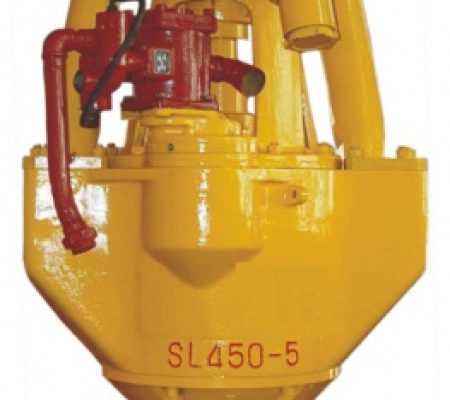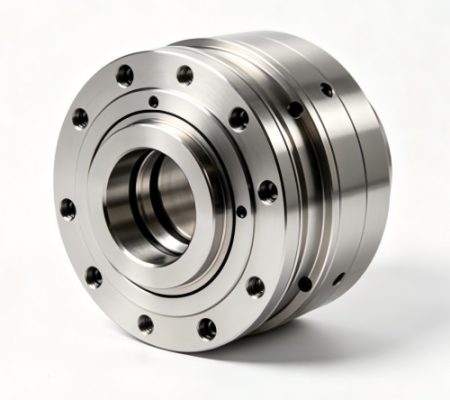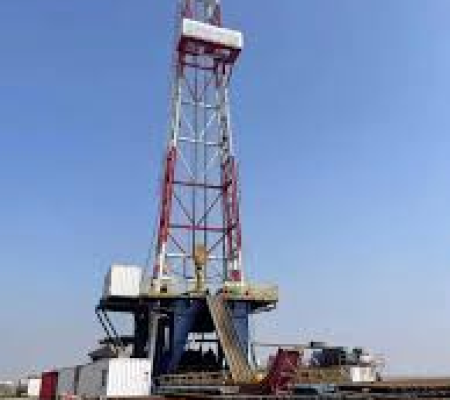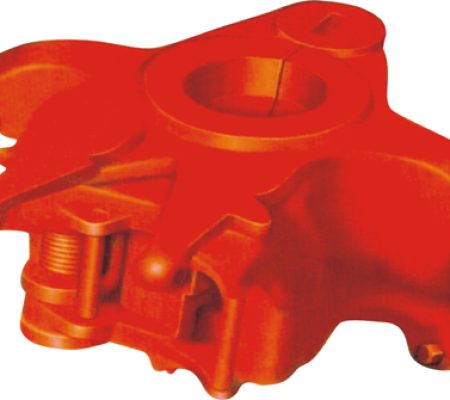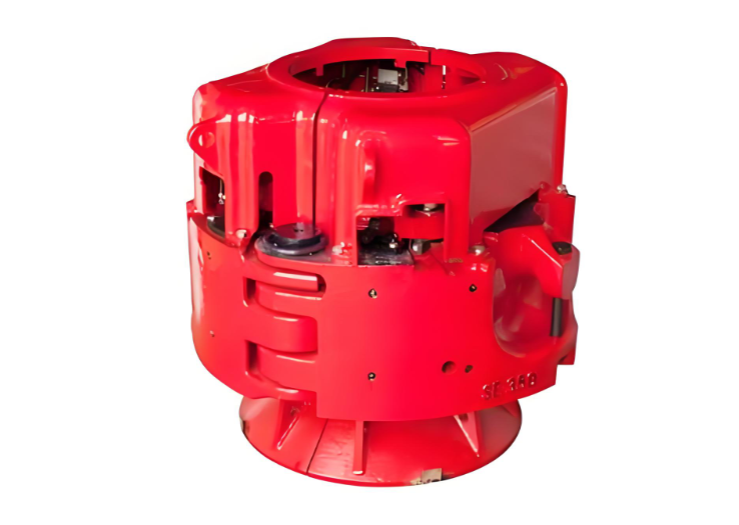
Wellhead tools are critical equipment in oil well operations, directly affecting operational efficiency and safety. As operational intensity increases and work environments become more complex, the risk of wear and failure in wellhead tools also rises. Proper lubrication and maintenance not only extend equipment lifespan but also reduce failures and enhance safety. This article provides a detailed guide on lubricating and maintaining wellhead tools, helping field teams achieve long-term stable operation.

Choose the Right Lubricant
Selecting the appropriate lubricant is crucial for wellhead tools. Different types of tools and components require specific lubricants. For example, metal parts, seals, and moving connections may need lubricants with different viscosities or high-temperature resistance. When choosing a lubricant, refer to the equipment manual and prioritize products with high temperature resistance, corrosion protection, and strong load-bearing properties. Avoid using lubricants incompatible with materials, which may cause seal swelling or metal corrosion.
Regularly Lubricate Moving Components
Sliding, rotating, and clamping parts of wellhead tools are prone to wear. During operations, establish a regular lubrication schedule based on operational intensity and environmental conditions. Apply suitable lubricating oil or grease to components such as slips, blocks, rotary valves, and threaded connections to ensure smooth movement. Regular lubrication reduces friction, prevents jamming, and minimizes metal fatigue.
Clean Before Lubrication
Cleaning is equally important before applying lubricants. Wellhead tools can accumulate mud, salt, or oil during operations, increasing friction and accelerating wear. Prior to lubrication, use a clean cloth or appropriate cleaning agent to remove debris, ensuring that lubricants evenly cover moving parts. Cleaning and lubricating simultaneously improves efficiency and prolongs tool life.
Inspect Seals and Fasteners
During maintenance, inspect seals and fasteners. Worn or damaged seals can lead to lubricant leakage, reducing effectiveness, while loose fasteners may cause misalignment or wear. Replace any faulty seals or fasteners promptly to maintain the stability of both the lubrication system and the tool as a whole.
Consider Environmental Factors
Environmental conditions can significantly affect lubrication. High temperatures may thin lubricants and reduce effectiveness, while low temperatures can cause them to freeze or lose flowability. Offshore or humid environments accelerate corrosion. Choose lubricants that are temperature-resistant, water-resistant, or corrosion-resistant, and adjust lubrication frequency to maintain optimal tool performance under varying conditions.
Maintain a Lubrication and Maintenance Log
To monitor the long-term condition of wellhead tools, maintain detailed lubrication and maintenance records. Include information such as lubrication times, lubricant types, component conditions, and any observed issues. Analyzing these records can help optimize lubrication cycles and methods, prevent potential failures, and standardize wellhead tool management.
Conclusion
Lubrication and maintenance are essential for ensuring smooth oil well operations. From selecting the right lubricant, regularly servicing components, and cleaning before lubrication, to inspecting seals, considering environmental factors, and keeping detailed maintenance logs, every step is critical. Scientific and standardized lubrication practices not only extend equipment lifespan but also reduce failure rates, ensuring safe and efficient operations. Field teams should strictly follow maintenance schedules to keep wellhead tools running reliably and efficiently over the long term.