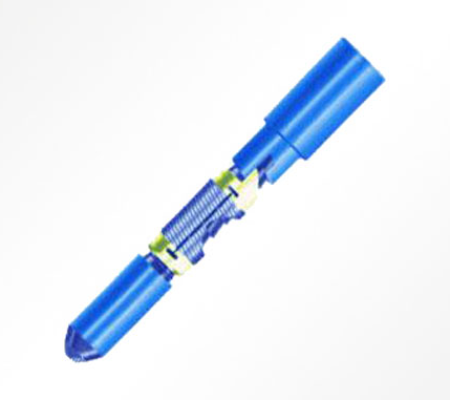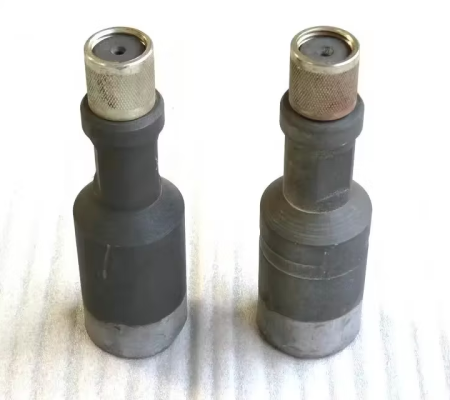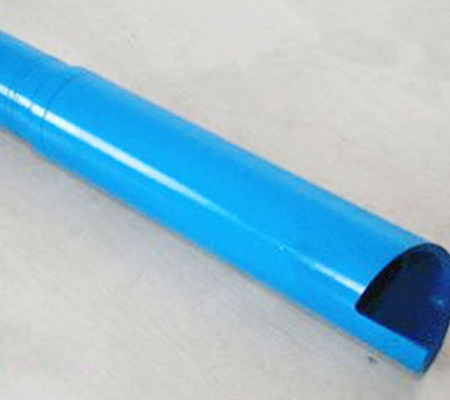
In downhole operations, geological exploration, and oil and gas extraction, pre-running preparations are crucial, and the use of a casing scraper is an indispensable step. The casing scraper removes deposits, mud, and residue from the wellbore, providing a safer and smoother working environment for subsequent tools, casing, and testing equipment. Neglecting this step can not only affect data accuracy but also increase the probability of equipment jamming, wear, and even accidents. Therefore, understanding why a casing scraper must be used before running it into the well is critical for improving construction quality and safety.

Improving Wellbore Cleanliness and Smoothness
Removing deposits and improving smoothness: During drilling, mud, mud residue, or other deposits inevitably form on the wellbore. These deposits cause a rough wellbore and narrow the well passage. The casing scraper effectively removes impurities from the wellbore, restoring it to a relatively uniform state.
A clean, smoother wellbore significantly reduces frictional resistance for downhole equipment, ensuring smooth passage through the wellbore without jamming due to uneven surfaces.
It prevents tools from rubbing and getting stuck: When protrusions, irregular deposits, or sediment buildup on the wellbore, downhole tools are highly susceptible to rubbing in these areas, potentially leading to jamming or even drill bit sticking.
Thoroughly cleaning the wellbore with a casing scraper before downhole operation effectively eliminates these safety hazards, providing a more stable path for downhole work and significantly improving overall operational safety.
Improved Accuracy and Stability of Downhole Operations
Reducing Logging and Detection Data Errors: Wellbore deposits not only affect tool descent but also prevent instruments from accurately contacting the wellbore, thus affecting the accuracy of logging data.
Cleaning with a casing scraper ensures a more uniform wellbore surface, allowing logging instruments to make closer contact and preventing deviations in resistance, electromagnetic, and acoustic data caused by surface impurities, thus improving measurement accuracy.
Ensuring a proper fit between the casing and the wellbore: The cleanliness of the wellbore directly affects the smoothness of casing installation and subsequent cementing effectiveness. If mud residue remains on the wellbore, the casing may not adhere completely to the wellbore, or the cementing material may not penetrate evenly.
Using a scraper beforehand creates a more ideal environment for the casing, improving cementing quality and reducing the probability of subsequent wellbore stability issues.
Ensuring overall construction safety and equipment lifespan
Reducing equipment wear and accidental damage: The casing scraper pre-treats uneven areas of the wellbore, preventing frequent friction between the equipment and debris or hard deposits during operation.
Reducing friction not only extends equipment lifespan but also effectively reduces the risk of accidental damage, avoiding work interruptions or rework due to component failure.
Reducing downhole accident rates: Downhole accidents are often unpredictable, and unclean wellbores and debris accumulation are potential hazards. Thorough cleaning with a scraper before installation significantly reduces the probability of stuck pipe, splintering, and casing jamming.
Maintaining a clean wellbore is crucial for ensuring personnel safety, equipment safety, and project quality. Therefore, the use of a casing scraper is an essential procedure in downhole operations.
Conclusion
The casing scraper must be used before being lowered into the well because it plays a critical role in many aspects, including smooth access, measurement accuracy, equipment safety, and overall project quality. By effectively cleaning the wellbore surface of deposits, the casing scraper not only ensures a smooth lowering process but also provides a more reliable environment for subsequent construction. To improve downhole work efficiency and avoid safety hazards, the scraper cleaning procedure should be strictly followed before each well entry to ensure the wellbore is in optimal condition.