Downhole stabilizers play a critical role in drilling operations by controlling drill string posture, reducing bit wobble, and minimizing vibration. During long-term drilling, stabilizers inevitably experience wear, which affects trajectory control and drill string lifespan. Understanding the causes of stabilizer wear and applying effective on-site detection methods helps operators identify problems promptly, adjust drilling parameters, and extend the service life of the tools.
Main Causes of Stabilizer Wear
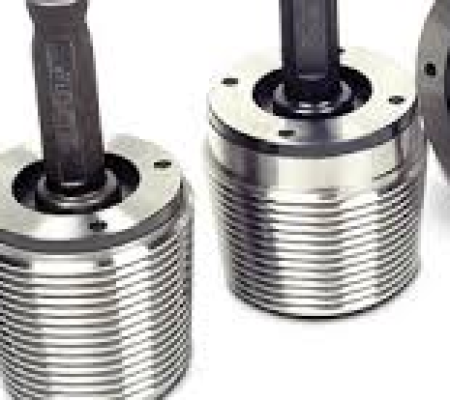
Stabilizer wear is influenced by mechanical contact, formation characteristics, and operational conditions. During rotation, stabilizer blades rub against the wellbore, which is the most direct source of wear. In hard rock or sandy formations, blade surfaces are prone to scratches, pits, or abrasion. Additionally, prolonged drill string wobble or vibration can cause uneven contact between blades and the wellbore, increasing localized stress and accelerating wear. Poor drilling fluid performance can also exacerbate wear, as low mud viscosity or inadequate lubrication increases friction, resulting in faster blade degradation.
The main causes of wear can be summarized into two aspects:
- Mechanical factors: Drill string wobble, vibration, or excessive contact pressure between blades and the wellbore, leading to localized wear or deformation
- Environmental factors: High formation hardness, high sand content, and insufficient drilling fluid lubrication, which accelerate blade wear
Understanding these causes allows operators to take preventive measures in stabilizer selection, placement, and drilling operation to extend tool life.
On-Site Detection Methods
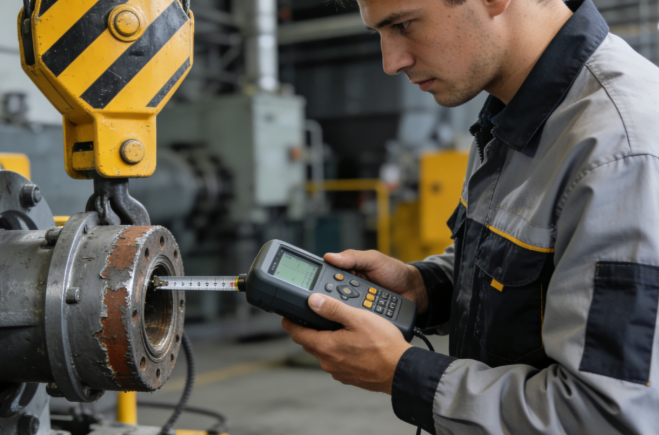
On-site detection of stabilizers relies on visual inspection, measurements, and analysis of drilling parameters. Visual inspection involves retrieving stabilizers to the surface and checking for scratches, pits, or metal spalling on the blades. Measurement methods use calipers or gauges to assess blade thickness and diameter to determine if wear exceeds design tolerance. During drilling, monitoring torque, weight on bit, and drilling speed can provide indirect indications of stabilizer wear. Increased torque or decreased drilling speed often signals increased friction, prompting timely inspection.
Detection techniques can be summarized into two points:
- Combination of visual inspection and precision measurement: Use both methods to accurately assess blade wear
- Drilling parameter analysis: Monitor torque, weight on bit, and drilling speed to identify wear trends
Applying these detection methods allows operators to address stabilizer wear promptly, adjust drilling parameters, or replace worn tools, ensuring effective downhole trajectory control and drill string safety.
Wear Prevention and Maintenance Measures
Preventing and controlling stabilizer wear is critical during drilling operations. Selecting blades made of wear-resistant materials and applying surface hardening treatments significantly improve durability. Operational adjustments, such as optimizing drilling speed, weight on bit, and mud flow, ensure even contact pressure between blades and the wellbore, reducing localized wear. Regular inspection and timely replacement of severely worn stabilizers help maintain drilling efficiency and safety.
Maintenance techniques include:
- Using wear-resistant materials or surface hardening to extend blade lifespan
- Adjusting drill string parameters and drilling fluid properties to minimize friction and wear
Combining preventive measures with proper maintenance enhances stabilizer longevity and ensures stable and safe drilling operations.