Driven by global energy transition and carbon neutrality goals, the drilling industry, as the upstream link in energy extraction, is increasingly concerned about equipment energy consumption and carbon emissions. In traditional drilling operations, high-energy-consuming components such as diesel generator sets, drilling rig power systems, and mud circulation equipment account for more than 70% of the total energy consumption of a single well, with carbon dioxide emissions reaching thousands of tons per well. With technological advancements and tightening policies, energy conservation and emission reduction in drilling equipment has shifted from an “optional” to a “mandatory” issue. Through power system innovation, energy recovery and utilization, and intelligent control optimization, the industry is accelerating its transformation towards a green and low-carbon direction, reducing operating costs and providing technological support for the sustainable development of energy extraction.
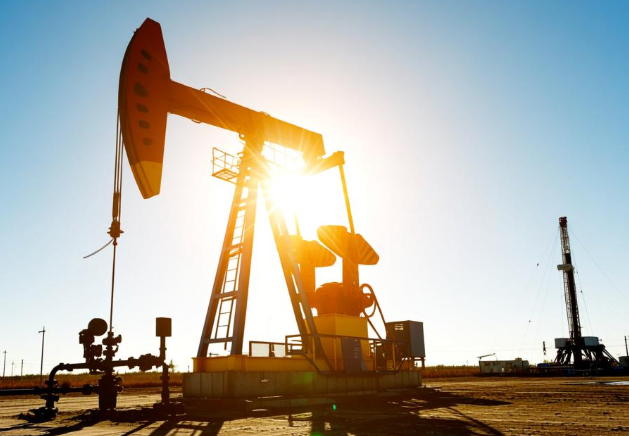
Electrification of power systems is a core breakthrough in energy conservation and emission reduction. Traditional diesel-powered drilling rig systems suffer from low energy conversion efficiency and heavy exhaust emissions, while electrification, through a combination of grid power supply and energy storage systems, can significantly improve energy utilization. For example, an international oilfield services company developed an all-electric drilling rig using high-voltage variable frequency drive technology, increasing energy conversion efficiency from 35% for diesel engines to 85%, reducing diesel consumption per well by 60% and carbon dioxide emissions by 55%. In remote well sites, hybrid power systems serve as a transitional solution—through the coordinated operation of diesel generators and energy storage batteries, battery power is prioritized, with the diesel engine only starting during peak loads. After applying this technology to an offshore platform, fuel costs decreased by 40%, and nitrogen oxide emissions decreased by 70%. More cutting-edge exploration focuses on direct-drive renewable energy: a pilot project for a land drilling project uses a photovoltaic power generation + energy storage system, driving equipment with solar energy during the day and powered by energy storage batteries at night, achieving zero carbon emissions throughout the operation and providing a feasible model for green drilling in arid, sunny areas.
Energy recovery and reuse technologies are tapping into the “hidden energy” of the drilling process. During drilling operations, waste heat and pressure generated by equipment such as mud pumps and top drives are often directly emitted, while new recovery systems can convert this “waste energy” into usable electricity. For example, a company developed a mud pump waste heat recovery device that converts the heat of high-temperature mud into steam through a heat exchanger, driving a small turbine to generate electricity. A single well can recover approximately 500,000 kilowatt-hours of electricity annually, equivalent to reducing diesel consumption by 120 tons. In the drilling rig braking process, an energy recovery braking system converts and stores the gravitational potential energy of the drill pipe during descent, reducing braking energy consumption by 80% and saving over 300,000 kilowatt-hours of electricity per well. Furthermore, the treatment of drilling wastewater also holds energy-saving potential—by combining reverse osmosis membrane technology with a heat pump system, zero wastewater discharge is achieved while recovering heat energy from the wastewater for equipment preheating. A desert well site adopted this solution, resulting in a 25% reduction in overall energy consumption.
The penetration of intelligent control technology provides “precise navigation” for energy conservation and emission reduction. An IoT-based energy consumption monitoring system, by deploying sensors in key equipment components, collects real-time data on current, voltage, temperature, and pressure. Combined with big data analysis, it can accurately identify high-energy-consuming processes and abnormal energy consumption. For example, an intelligent drilling platform analyzed drilling rig operation data and discovered that the top drive maintained high power operation during the idle phase. After adjusting the control strategy, the top drive energy consumption decreased by 15%. More advanced AI optimization algorithms can dynamically adjust equipment operating parameters—a deepwater drilling project applied a machine learning model to optimize parameters such as rig speed and mud flow in real time based on geological conditions, well depth, and drilling speed, resulting in an 18% reduction in energy consumption per unit footage and a 12% increase in drilling efficiency. Furthermore, an intelligent scheduling system reduces idling time by globally optimizing equipment start-up and shutdown sequences. After its application in a shale gas development project, the equipment idle rate decreased from 22% to 8%, saving over 2,000 tons of fuel annually.
From power innovation to energy recovery, from intelligent control to system optimization, the path to energy conservation and emission reduction in drilling equipment is gradually becoming clear. Electrification reduces direct emissions, energy recovery unlocks hidden value, and intelligent control achieves precise energy saving; these three elements work together to promote the transformation of drilling operations towards “green and efficient” practices. Data from an international energy group shows that, through comprehensive energy-saving technology upgrades, the energy consumption of its drilling platforms has decreased from 4,500 tons of standard coal to 2,800 tons per well, reducing carbon emission intensity by 38% and operating costs by 22%. In the future, with breakthroughs in technologies such as hydrogen-powered systems and solid-state energy storage, energy conservation and emission reduction in drilling equipment will reach even higher levels, contributing significantly to the low-carbon transformation of the global energy industry and continuously writing a new chapter in green mining.