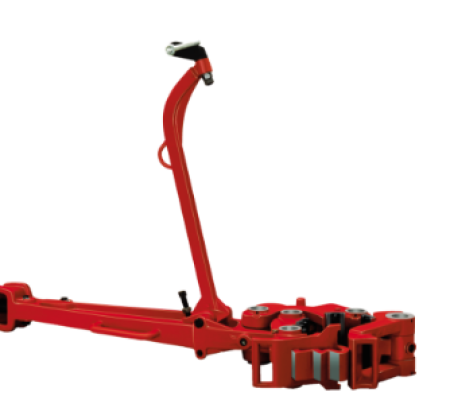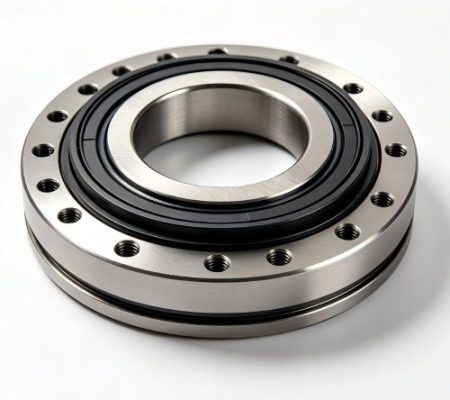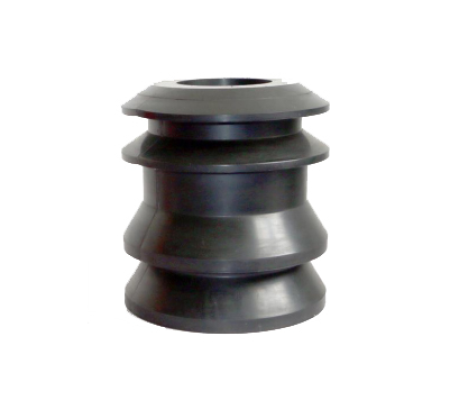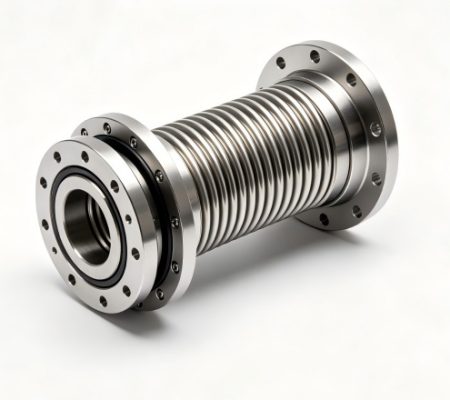
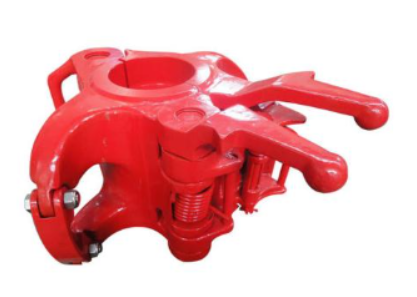
Wellhead equipment is a crucial component in oil and gas well operations, connecting the wellbore with surface facilities and ensuring reliable sealing, pressure containment, and operational stability. As oil and gas exploration reaches greater depths and operational environments become more complex, the machining accuracy of wellhead equipment directly affects construction safety and efficiency. Poorly machined components can lead to seal failure, leaks, and even catastrophic incidents such as blowouts.
Impact of Machining Accuracy on Sealing Reliability
One of the core functions of wellhead equipment is to maintain reliable sealing. Precisely machined components ensure tight fitting between parts, preventing gaps or surface irregularities that could compromise the seal. In high-pressure and high-temperature conditions, sealing performance directly affects the stability and safety of the wellhead system. If machining tolerances are exceeded, seals may experience uneven stress or displacement, causing leaks and increasing the risk of blowouts, endangering both personnel and equipment.
Machining Accuracy and Mechanical Performance
Wellhead equipment is subjected to complex mechanical loads, including torque, pressure, and vibration. High machining precision ensures consistent dimensions of threads, interfaces, and load-bearing components, providing uniform stress distribution and improved fatigue resistance. In contrast, poor machining can result in improper thread engagement or abnormal gaps at connections, causing localized stress concentration, deformation, or even tool failure, which can disrupt construction and compromise safety.
Effect on Operational Efficiency and Construction Timeline
Machining accuracy not only impacts safety but also affects operational efficiency. Precisely manufactured wellhead equipment is easier to assemble and replace, reducing installation time and overall project duration. Conversely, components with poor tolerance may require frequent adjustments or replacements, increasing operational difficulty and risk. In high-risk environments, lower efficiency indirectly raises the probability of accidents.
Technical Requirements for High-Precision Machining
Achieving high machining accuracy requires advanced CNC equipment, precise measuring instruments, and stringent quality control processes. Material selection, heat treatment, and surface finishing also play critical roles in maintaining dimensional accuracy under high-pressure, high-temperature, and corrosive conditions. Only through rigorous control at every stage of manufacturing can wellhead equipment fully fulfill its role in ensuring construction safety.
Conclusion
In summary, the machining accuracy of wellhead equipment is a fundamental factor in ensuring the safety of oil and gas well operations. High precision ensures reliable sealing, uniform stress distribution, and improved operational efficiency, reducing the risk of accidents. In an era of stringent safety regulations and operational requirements, prioritizing the precision of wellhead equipment and establishing comprehensive manufacturing and inspection systems is essential. Reliable, high-precision wellhead tools are the baseline guarantee for safe and efficient well operations.