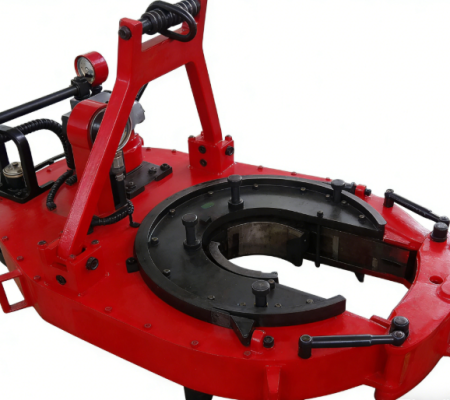
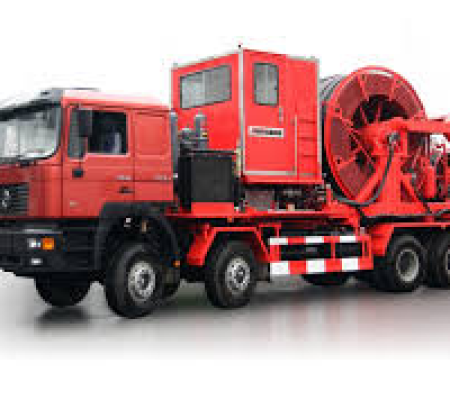
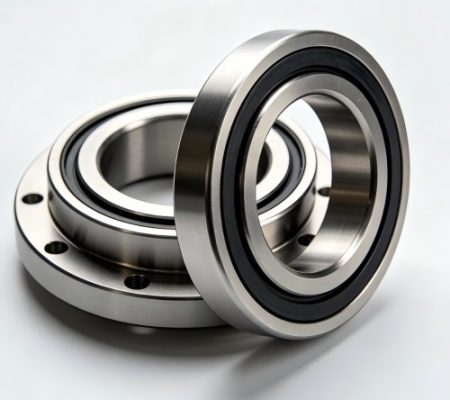
In oil and gas drilling operations, the downhole environment is frequently characterized by high pressures, complex geological formations, and variable fluid conditions; consequently, even the slightest loss of control can trigger severe safety incidents. As the critical interface connecting surface control systems with the downhole operating environment, wellhead equipment fulfills vital responsibilities throughout the entire drilling process, including pressure control, fluid isolation, and safety protection. Through the proper configuration and standardized operation of wellhead equipment, risks such as well blowouts and fluid leaks can be effectively mitigated, thereby enhancing the controllability of the operational process. The design of such equipment places particular emphasis on sealing integrity and pressure-bearing capacity, ensuring sustained and stable performance under complex operating conditions and providing a fundamental safeguard for downhole safety.
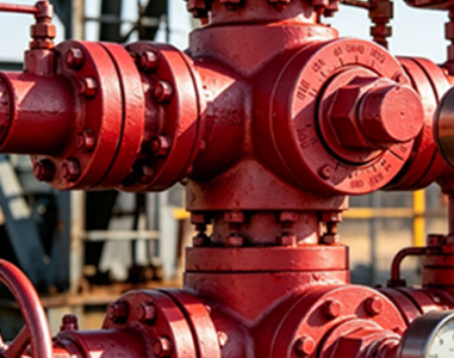
Achieving Wellhead Sealing to Prevent Fluid Leakage
One of the most fundamental functions of wellhead equipment during the drilling process is sealing control.
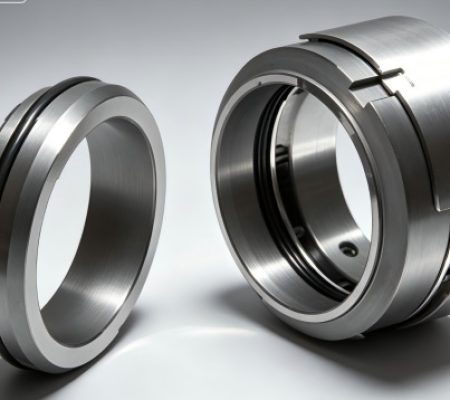
- Through structural components such as casing heads and tubing heads, multi-layer sealing is achieved, effectively isolating high-pressure downhole fluids from the surface environment.
- It maintains sealing stability under high-pressure conditions, preventing the leakage of oil, gas, or drilling fluids, thereby mitigating safety risks at the source.
This sealing capability serves as the primary line of defense for ensuring downhole safety.
Controlling Wellhead Pressure to Maintain System Equilibrium
Variations in downhole pressure constitute one of the critical factors influencing operational safety.
- Wellhead equipment works in conjunction with well control systems to regulate downhole pressure, maintaining a state of equilibrium between formation pressure and wellbore pressure.
- It responds promptly to the emergence of abnormal pressures, utilizing throttling and control mechanisms to prevent pressure from spiraling out of control.
This pressure management capability contributes significantly to the overall stability of the drilling process.
Integrating with Blowout Prevention Systems to Avert Blowout Accidents
Well blowouts represent the most destructive safety hazard inherent in drilling operations.
- Wellhead equipment operates in tandem with blowout preventers (BOPs) to rapidly seal the wellhead in the event of abnormal pressure, thereby blocking the upward path of surging fluids.
- Through a multi-tiered control architecture, it establishes a layered defense system, enhancing emergency response capabilities during sudden incidents.
This collaborative mechanism significantly elevates the overall level of safety protection.
Enhancing System Reliability and Operational Stability
The stable operation of the wellhead system is of paramount importance to the overall safety of construction operations.
- Wellhead equipment is constructed using high-strength materials and robust structural designs, enabling it to operate stably over extended periods within high-pressure and high-temperature environments.
- The modular design facilitates maintenance and inspection, thereby mitigating safety hazards associated with equipment malfunctions.
This inherent reliability ensures the continuity and safety of drilling operations.
In actual drilling operations, wellhead equipment serves as the critical interface connecting the surface to the subsurface; moreover, it constitutes a vital component of the overall safety system. Through a multifaceted approach—encompassing sealing control, pressure regulation, coordinated blowout prevention, and structural integrity—it consistently performs its safety protection functions, even under complex operating conditions. As oil and gas exploration advances toward greater depths and higher pressures, the significance of wellhead equipment continues to rise, rendering its role in safeguarding subsurface safety increasingly indispensable.