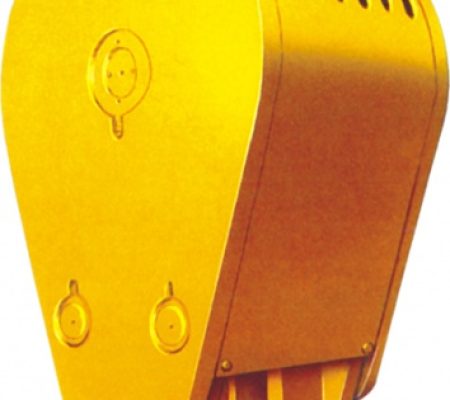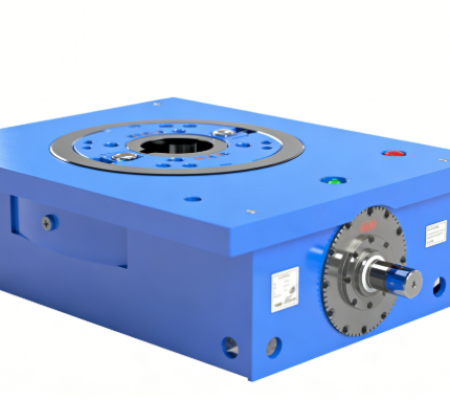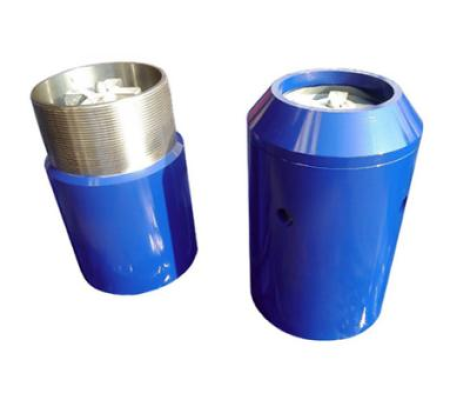
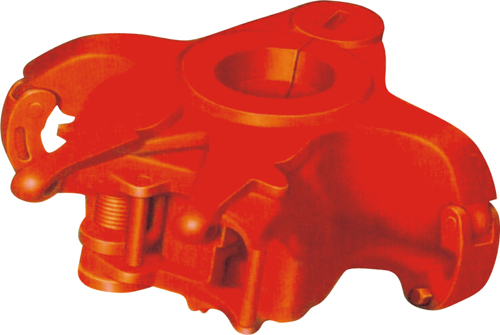
In oil and gas well operations, high-pressure wellhead tools play a critical role in sealing, controlling, and regulating wellbore conditions. Their performance is directly linked to well control safety and operational efficiency. Because these tools often operate under high pressure, high temperature, corrosive media, and frequent mechanical stress, improper maintenance can easily lead to seal failure, jamming, leakage, or even serious safety incidents. Therefore, understanding how to properly maintain high-pressure wellhead tools is essential for extending equipment life and improving operational reliability.

Pre-Operation Maintenance: Start with Comprehensive Inspection
Before high-pressure wellhead tools are put into service, they must undergo a thorough inspection—this is the first line of defense against operational risks.
Begin by checking the physical condition of each component, including whether the body has cracks, whether flange connections are deformed, and whether threads show signs of wear. Next, pay special attention to seal components. Any O-rings or gaskets showing aging or cracking should be replaced immediately. Then inspect operational mechanisms such as valve switches, slip teeth, and pressure gauges to ensure they function properly.
Additionally, key connection points should be lubricated before assembly. This helps reduce friction and prevents sticking or damage during high-pressure operation.
Maintenance During Operation: Keep It Clean and Operate Properly
During use, high-pressure wellhead tools endure strong pressure impact. To maintain performance, two factors are essential: cleanliness management and standardized operation.
Mud, sand, oil, and other contaminants may accumulate on valve stems, slip housings, and sealing surfaces. If these are not cleaned in time, they can compromise sealing performance and structural strength. Operators should regularly wipe exposed areas to keep the valve body and connections clean.
It is equally important to follow rated pressure limits and operational procedures. Do not exceed pressure ratings, use excessive force, or strike components. Abrupt operations—especially opening or closing high-pressure valves—should be avoided. Smooth and steady movement helps prevent sudden impact damage.
Post-Operation Maintenance: Disassemble, Clean, Lubricate, Record
Once the job is completed, the tools should enter a systematic maintenance cycle consisting of inspection, cleaning & lubrication, and documentation.
1. Disassembly and Inspection
Remove key components and check threads, seal grooves, slip surfaces, and load-bearing areas for wear or deformation. If cracks, corrosion, or bending are detected, repair or replacement is necessary.
2. Thorough Cleaning and Lubrication
Use cleaning agents to remove adhered mud, sand, and oil. After cleaning, apply high-pressure, high-temperature grease to threads and moving parts. Seals should be cleaned separately and replaced according to standards to ensure reliable sealing in the next operation.
3. Maintenance Records
Document tool usage cycles, pressure conditions, issues found, and parts replaced. A detailed maintenance log helps predict repair intervals and evaluate remaining service life.
Long-Term Maintenance: Proper Storage and Periodic Checks
Even when not in use, high-pressure wellhead tools require proper storage and regular preventive maintenance.
Tools should be stored in a dry, shaded area to avoid moisture-related corrosion. Anti-rust oil should be applied before storage. Seal materials must be kept away from sunlight and high temperatures to prevent aging. If tools remain unused for long periods, they should be reinspected and relubricated every 3–6 months to ensure that they stay in ready-to-use condition.
In summary, the maintenance of high-pressure wellhead tools involves more than simple cleaning and lubrication. It requires a complete system of pre-operation inspection, on-site maintenance, post-operation servicing, and long-term storage management. Proper maintenance ensures stable performance under extreme pressure, extends service life, reduces operational risks, and supports safe production in oil and gas well operations.