
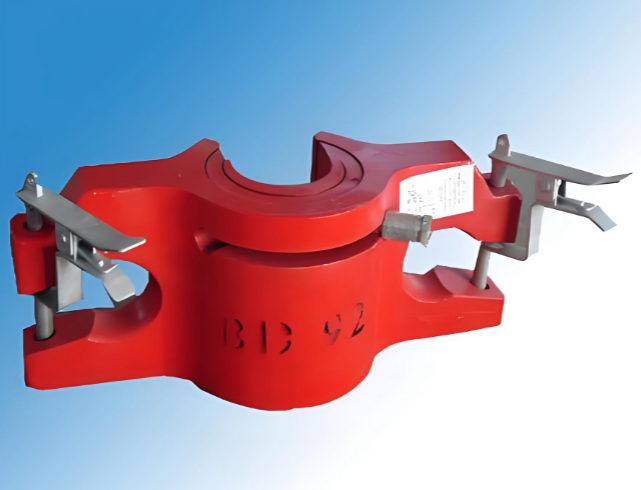
In oil well operations in cold regions, wellhead tools are prone to low-temperature effects, leading to freezing, jamming, or damage, which directly affects operational safety and efficiency. Therefore, proper freeze prevention and scientific handling measures are essential. This article provides practical solutions from material selection, insulation, antifreeze fluids, and routine management.

1. Choose Low-Temperature Resistant Materials
The first consideration for wellhead tools in cold regions is low-temperature resistance. High-quality alloy steel and materials with low-temperature toughness can maintain mechanical strength and ductility in extreme cold, preventing brittleness or deformation. Key components such as slips and rotating heads should be made from low-temperature treated or surface-hardened materials to enhance cold resistance.
2. Strengthen Insulation and Protection
Insulation is a critical method to prevent wellhead tool freezing. Tools can be wrapped with high-performance insulation materials such as ceramic fiber blankets or polyurethane foam to reduce heat loss. For hydraulic systems and key connection parts, electric heaters or circulating heating devices can be installed to maintain tool and fluid temperatures within a safe range, ensuring continuous operation.
3. Use Antifreeze Fluids and Lubricants
In cold-region operations, antifreeze fluids and low-temperature lubricants effectively reduce freezing risk. Select environmentally friendly antifreeze fluids suitable for oilfield operations and inject them into hydraulic or sealing systems to prevent internal fluid freezing. Low-temperature lubricants ensure that mechanical parts operate smoothly in extreme cold, reducing wear and jamming.
4. Regular Inspection and Maintenance
Routine inspection and maintenance are crucial components of freeze prevention. Before operations, check the fluid status, sealing integrity, and insulation condition of wellhead tools. Repair or replace damaged insulation, replenish lubricants, or address signs of fluid freezing immediately. Regularly operating the equipment also keeps components mobile, preventing freezing during prolonged idle periods.
5. Arrange Operational Procedures Properly
Properly scheduling operations in cold environments also impacts freeze prevention. For example, preheating wellhead tools and fluids during low-temperature periods prevents freezing during sudden startup. Reducing tool exposure time and minimizing idle periods lowers the risk of freezing. Additionally, operators should be familiar with cold-weather operating procedures to ensure emergency measures are in place.
Conclusion
Preventing freezing of wellhead tools in cold-region operations requires a comprehensive approach, including material selection, insulation, antifreeze fluids, regular maintenance, and proper operational scheduling. Effective freeze prevention not only ensures the normal operation of wellhead tools but also improves operational efficiency and reduces equipment damage risk. Implementing scientific freeze protection measures is essential for safe, continuous, and efficient oil well operations in cold environments.