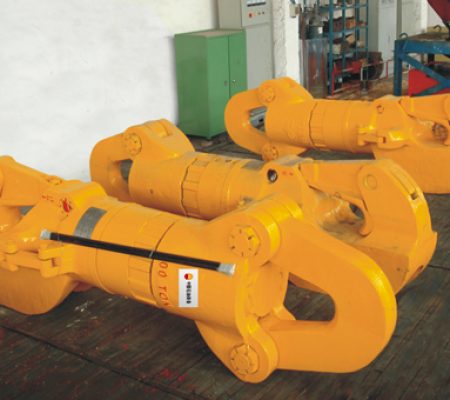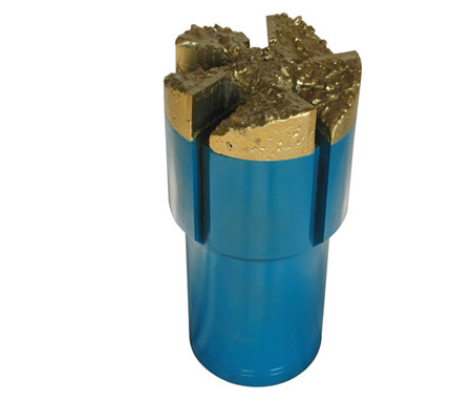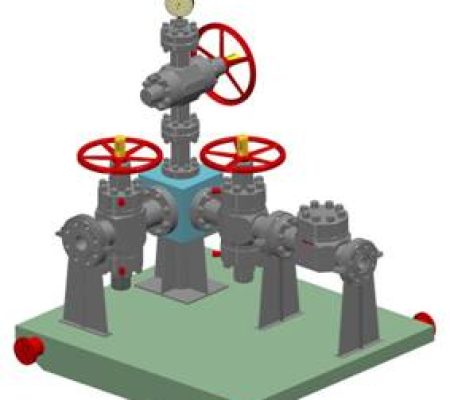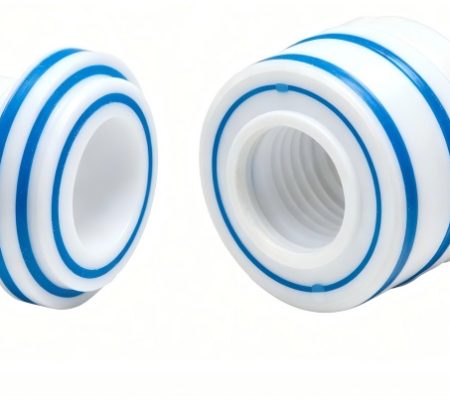
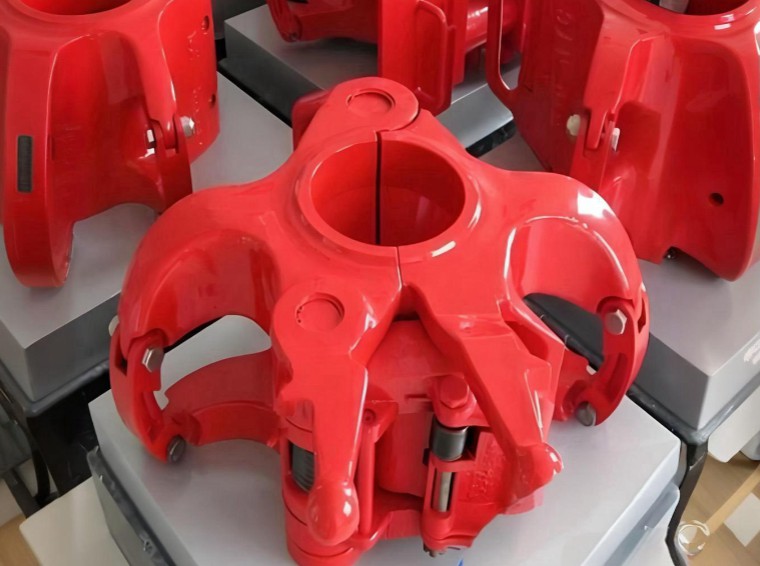
In oil well operations, wellhead tools are critical equipment that ensure operational safety and efficiency. However, due to long-term exposure to high pressure, high temperature, and friction, the surfaces of wellhead tools are prone to scratches, wear, or corrosion. Such surface damage not only reduces service life but can also cause sealing failures, leaks, or operational risks. Therefore, timely repair of surface damage is essential. This article explains common types of damage, repair methods, routine maintenance, and precautions.

Common Types of Surface Damage on Wellhead Tools
Surface damage on wellhead tools mainly includes scratches, dents, wear, and corrosion. Scratches often result from handling, loading/unloading, or friction with foreign objects. Dents are usually caused by impacts with hard objects. Wear occurs naturally over prolonged use, especially in sliding or rotating components. Corrosion is typically caused by chemical exposure or high humidity environments. Different types of damage affect performance differently, so targeted repair methods are required.
Mechanical Polishing and Surface Grinding
For minor scratches and localized wear, mechanical polishing or surface grinding can be used. Fine sandpaper, polishing wheels, or grinders can remove surface irregularities and burrs, restoring smoothness. Mechanical polishing is suitable for small areas and superficial damage. Operators must control the pressure carefully to avoid over-grinding, which could alter dimensions or worsen the damage.
Surface Coating Repair
For more severe wear or corrosion, surface coating methods such as chrome plating, nickel plating, or thermal spraying can be applied. A hardened layer forms on the tool surface, covering damage while improving wear and corrosion resistance. Coating repairs require specialized equipment, precise control of thickness, and uniform application to ensure adhesion and avoid peeling during use.
Micro-Welding or Filling Repair
For dents or missing metal areas, micro-welding or metal filling can restore the surface. Metal is welded into the damaged area, then finely ground and polished to return the surface to its original shape and dimensions. This method is suitable for critical load-bearing or sealing surfaces, but professional welding skills are required to avoid affecting the original material properties.
Routine Maintenance and Prevention
After repair, proper maintenance can extend the service life of wellhead tools. Keep surfaces clean, avoid friction and collisions, apply anti-rust grease regularly, and inspect tools periodically. Tools stored long-term or used in humid environments should be protected with anti-corrosion coatings or stored in dry conditions to reduce the likelihood of damage.
Conclusion
Surface damage on wellhead tools is common, but methods such as mechanical polishing, surface coating, and micro-welding or filling can effectively repair tools and prolong their lifespan. Additionally, routine maintenance and protective measures reduce the frequency of damage, ensuring safe and efficient well operations. Mastering proper repair and maintenance techniques is essential for reliable performance of wellhead tools.