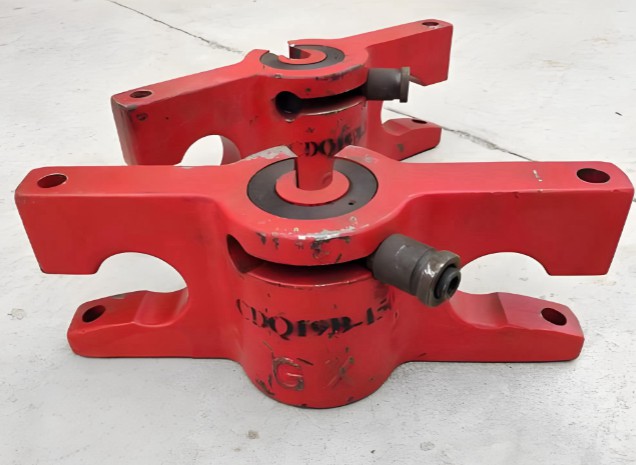
High-temperature and high-pressure (HTHP) wells place extremely demanding conditions on equipment performance, making the selection of wellhead tools a critical step for ensuring operational safety and efficiency. Whether used in drilling, well completion, or workover scenarios, the right tool configuration directly affects pressure control, sealing reliability, and long-term stability. This article explains how to choose HTHP wellhead tools from the perspectives of material durability, structural strength, compatibility, and certification standards.

Understand Temperature and Pressure Ratings
When selecting wellhead tools for HTHP environments, the first step is to evaluate the temperature and pressure levels of the target well. Different wells may exceed 150°C in temperature or reach extremely high pressures, requiring tools with enhanced thermal stability and mechanical strength. Operators should carefully compare product specifications and ensure that all components meet or exceed the actual working conditions of the well. This helps avoid equipment deformation, seal failure, or fatigue damage during long-term operations.
Focus on Material and Sealing Performance
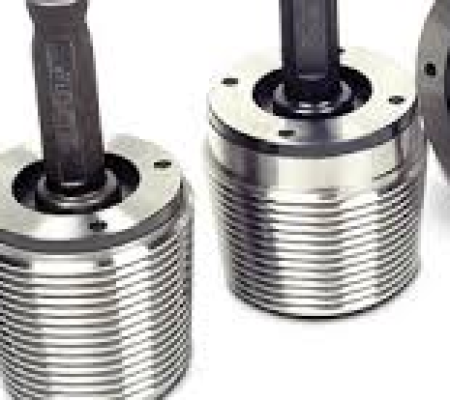
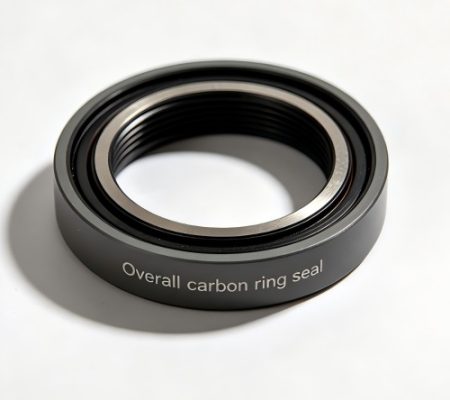
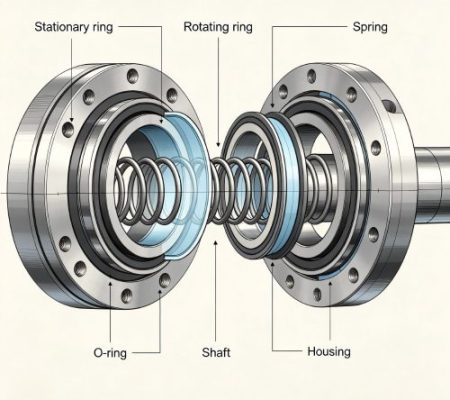
HTHP conditions pose strict requirements for tool materials, and selecting the wrong material may lead to rapid degradation or catastrophic failure. Tools made of high-strength alloys, corrosion-resistant steels, or specially treated materials typically perform better under extreme conditions. Sealing components are especially important; high-performance elastomers or metal-to-metal seals offer superior resistance to heat, pressure, and chemical corrosion. Ensuring reliable sealing helps maintain well control stability throughout the operation.
Evaluate Structural Design and Safety Features
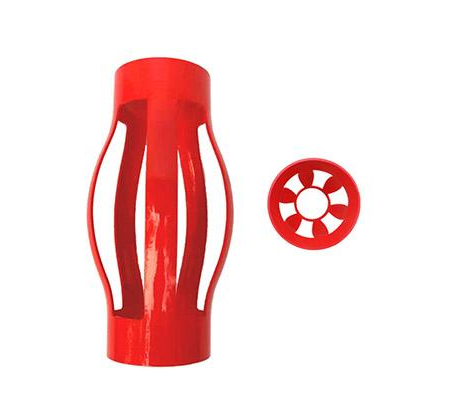
The structural design of HTHP wellhead tools directly determines their load-bearing capacity and operational reliability. A robust design should evenly distribute stress and incorporate reinforced sections to withstand extreme downhole conditions. Safety features such as pressure relief mechanisms, anti-corrosion coatings, and protective housings enhance durability and reduce the risk of sudden failure. Choosing tools with advanced engineering design can significantly improve the stability of high-risk tasks.
Ensure Compatibility with Other Wellhead Equipment
HTHP operations usually involve multiple pieces of equipment working together, so ensuring tool compatibility is essential. Before purchasing, operators should confirm whether the new tools match the existing wellhead size, connection type, and operational workflow. Incompatible equipment may cause installation difficulties, sealing gaps, or operational hazards. A tool that integrates smoothly with the entire system will improve operational efficiency and reduce accident risks.
Check Certifications and Supplier Reliability
When evaluating suppliers, certifications and quality assurance systems are important indicators of tool reliability. Products that meet industry standards—such as API specifications—generally offer higher safety levels and performance consistency. Additionally, choosing suppliers with a strong track record in HTHP wells helps ensure that the tools have been tested in real-world applications. Professional technical support and after-sales service also contribute to smoother on-site operations.
Selecting wellhead tools for high-temperature, high-pressure wells requires careful consideration of temperature ratings, pressure tolerance, material quality, sealing performance, structural strength, and system compatibility. Choosing certified equipment from trustworthy suppliers not only enhances operational safety but also reduces the likelihood of downtime and accidents. With the right selection strategy, operators can significantly improve efficiency and stability in challenging HTHP well environments.