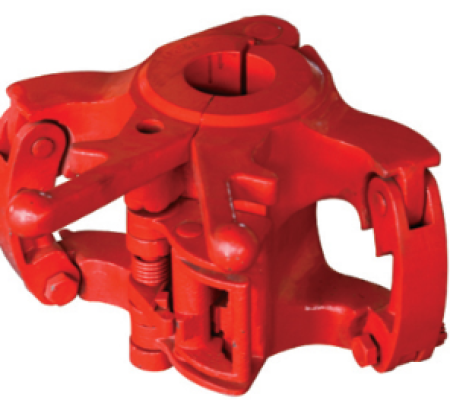
During oil and gas production, high-sand wells place significantly greater demands on wellhead equipment due to loose formations and continuous sand production. Under conditions of high flow velocity and pressure differential, sand particles continuously erode wellhead tools, easily leading to wear, sealing failure, and even structural damage. Once a wellhead tool fails, it not only disrupts production continuity but may also pose serious well control risks. For this reason, selecting wear-resistant wellhead tool structures is a critical factor in ensuring safe and stable operation in high-sand environments.
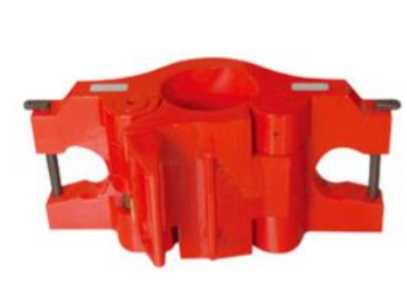
Main Wear Mechanisms Affecting Wellhead Tools in High-Sand Wells
Sand particles produced from high-sand wells are typically hard and uneven in size. When carried by high-velocity fluids, they continuously impact the inner surfaces, throttling sections, and sealing areas of wellhead tools. This erosive action causes micro-cutting, fatigue spalling, and gradual wall thinning. Over time, grooves, pitting, and localized material loss appear. Bends, diameter-reduction sections, and throttling components experience intensified wear due to sudden flow changes, making them high-risk zones for failure.
Wear-Resistant Materials as the Foundation of Tool Selection
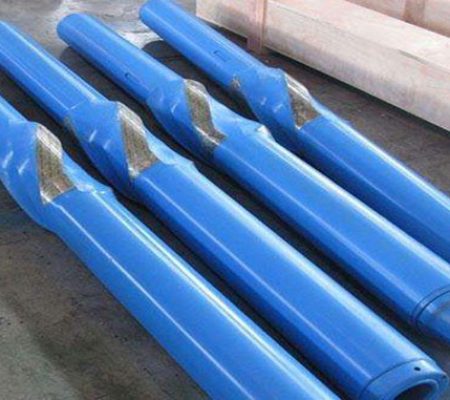
Material selection directly determines the wear life of wellhead tools in high-sand service. Common wear-resistant solutions include high-strength alloy steels, surface-hardened stainless steels, and composite wear-resistant materials. Increasing base material hardness and erosion resistance can significantly slow down sand-induced damage. In critical areas, tungsten carbide, ceramic inserts, or hard alloys are often applied as localized wear layers, enhancing erosion resistance while maintaining overall structural strength.
Influence of Structural Design on Wear Resistance
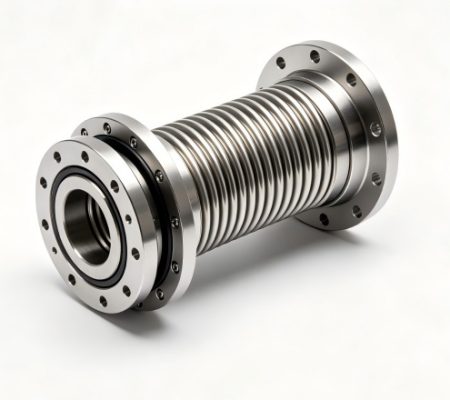
Well-designed structures can fundamentally reduce wear risk. Smooth flow-path transitions help minimize turbulence and localized erosion, preventing sand particles from concentrating impact in specific areas. Increasing wall thickness or incorporating replaceable wear sleeves is a widely used approach to extend service life. When localized wear reaches a certain level, replacing only the liner or sleeve restores performance, reducing maintenance cost and downtime.
For throttling and control-type wellhead tools, wear-resistant valve cores and erosion-resistant choke designs are especially important. By optimizing flow distribution and guiding sand particle trajectories away from critical sealing surfaces, the likelihood of sealing failure can be significantly reduced.
Sealing Structure Considerations in High-Sand Conditions
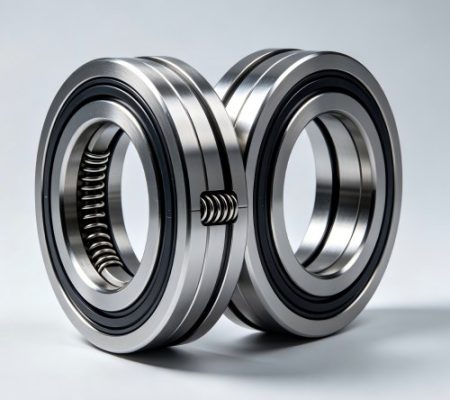
Sealing systems face severe challenges in sand-laden environments. Once sand particles enter the sealing area, they rapidly accelerate seal surface wear and increase leakage risk. Metal-to-metal sealing structures combined with high-hardness surface treatments provide improved resistance to erosion. Proper seal cavity design that minimizes sand accumulation and particle trapping also helps maintain long-term sealing stability.
Comprehensive Evaluation During Tool Selection
Selecting wellhead tools for high-sand wells requires a comprehensive evaluation of sand concentration, flow velocity, pressure rating, and operational cycle. Relying solely on material hardness is insufficient. Structural wear-resistant design, maintainability, and compatibility with field operating conditions must be considered as an integrated system. With scientific selection at the design stage and regular inspection during operation, tool service life can be effectively extended while reducing the risk of unexpected failures.
Conclusion
The wear challenges posed by high-sand wells should never be underestimated. Wear-resistant structural selection is central to ensuring the safe and reliable operation of wellhead tools. Through appropriate material choices, optimized flow-path and sealing designs, and a strong focus on maintainability, the reliability and service life of wellhead tools under sand-producing conditions can be significantly improved. A systematic and engineering-based selection strategy is essential for achieving long-term, stable production in high-sand wells.