Old well rehabilitation is an essential part of oilfield development, aiming to restore production, improve well performance, and extend the operational life of mature oilfields. Compared with newly drilled wells, old wells often face challenges such as complex formations, aging equipment, corrosion, deformation, and uncertain pressure conditions. In this context, wellhead tools play a decisive role in maintaining operational safety and construction efficiency. Understanding how these tools function and how to use them properly is crucial for ensuring a smooth rehabilitation process.
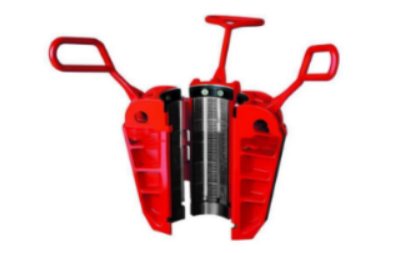
Why Wellhead Tools Are Critical in Old Well Operations
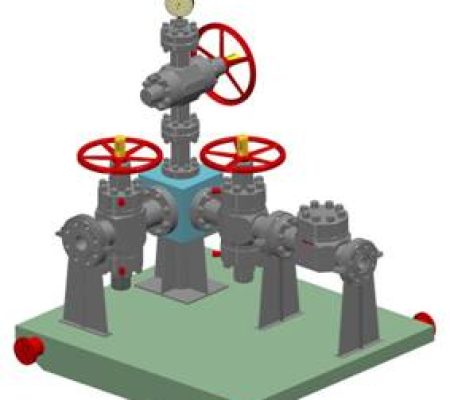
Old wells generally have unstable wellbore conditions, weakened casing strength, and unpredictable pressure fluctuations. Wellhead tools—such as blowout preventers (BOPs), tubing heads, flanges, valves, and pressure control devices—form the first line of defense during high-risk operations. Their functions go beyond simple mechanical support; they ensure well control and protect both personnel and equipment.
In old well environments, the risk of pressure surge, fluid leakage, or sand production is significantly higher. Reliable wellhead tools provide strong sealing, stable pressure resistance, and precise control capabilities. Whether the task is fishing, acidizing, fracturing, or production enhancement, these tools help maintain a safe barrier at every operational stage.
Enhancing Safety Through Proper Well Pressure Management
One of the most important safety concerns in old well rehabilitation is maintaining stable well pressure. Due to long-term production, reservoir pressure imbalance and blocked channels are common, making well pressure unpredictable once operations begin.
High-quality wellhead tools enable real-time pressure monitoring and act as an essential safety barrier. BOPs prevent blowouts when encountering abnormal pressure spikes. Tubing heads and spools provide safe access during downhole tool replacement. Pressure control valves ensure that operations such as nitrogen lifting or fluid injection proceed within a controlled range.
Effective pressure management greatly reduces the risk of accidents, ensuring both smooth construction and environmental protection.
Improving Operational Efficiency in Aging Wells
Working on old wells often requires multiple operations including cleaning, milling, stimulation, and equipment replacement. Wellhead tools designed for multi-stage processes reduce downtime, streamline workflow, and ensure construction accuracy.
Quick-installation flanges, modular wellhead systems, and high-strength connectors allow operators to switch tools rapidly without compromising safety. In difficult wells—such as those with severe scaling or corrosion—reinforced wellhead devices ensure that operations can be performed reliably without repeated adjustments.
Efficiency improvement is especially critical for old wells, where operational windows are limited and production goals must be met within compressed timelines.
Ensuring Safety Through Tool Inspection and Maintenance
Even the best wellhead tools need strict inspection before use, especially when working on old wells with unstable conditions. Key safety practices include:
Checking sealing rings, connectors, and threads for wear or corrosion
Verifying pressure ratings match the expected operational load
Conducting pressure and leak tests before installation
Ensuring all valves open and close smoothly
Using certified and traceable components for high-risk operations
Preventive maintenance not only ensures safe operations but also reduces the probability of unplanned stoppages during rehabilitation.
Conclusion: Wellhead Tools Are the Safety Core of Old Well Rehabilitation
Old well rehabilitation is challenging and risky, but with the support of reliable wellhead tools, operators can maintain strict well control, reduce accidents, and improve overall efficiency. Selecting high-quality tools, performing rigorous inspections, and following standard construction procedures are essential to ensuring safe and effective operations.
As oilfields continue to age worldwide, wellhead tools will remain a critical factor in guaranteeing operational success and extending the productive life of mature wells.