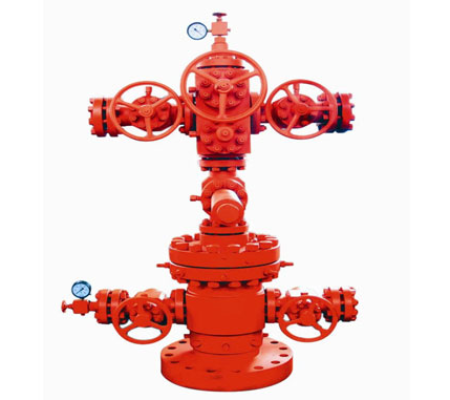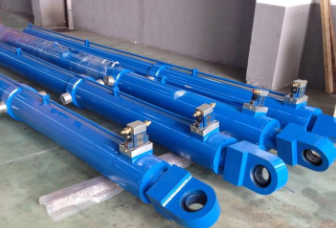
In drilling operations, wellhead tools are critical equipment that ensure operational safety, improve construction efficiency, and maintain well control stability. Whether it is casing make-up, drill pipe handling, or lifting operations, wellhead tools perform essential mechanical tasks. With the rise of deep wells, complex well types, and smart drilling technologies, the performance and reliability of wellhead tools directly affect both the safety and economics of drilling projects. This article explores the core functions, key types, roles, and value of wellhead tools in drilling operations.
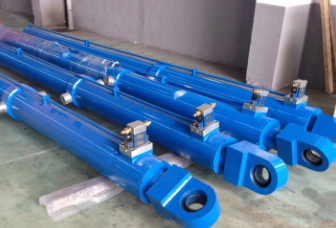
Core Functions of Wellhead Tools
Wellhead tools primarily handle gripping, make-up and break-out, lifting, and connection control. Their core functions include:
Pipe Gripping: Slips or power tongs securely hold drill pipes or casing to prevent slipping or dropping.
Make-Up Operations: Ensures accurate torque for casing, drill pipes, and wellhead connections, improving thread integrity.
Lifting and Positioning: Provides safe support when lifting drill strings or casing, ensuring operational accuracy and efficiency.
Data Recording and Monitoring: Some smart tools are equipped with sensors to record torque, gripping force, and operational parameters, enabling traceable operations.
Key Types of Wellhead Tools
Slips: Used to secure the pipe column and bear vertical weight.
Manual and Power Tongs: Used for making up or breaking out casing and drill pipes, providing precise torque control.
Elevators: Used for lifting drill tools or casing, ensuring safety and smooth operation.
Casing Tongs: Specifically designed for casing operations, combining gripping and make-up functions.
Roles of Wellhead Tools in Drilling Operations
Ensure Well Control Safety: By securely holding pipes and providing precise make-up, wellhead tools support well control systems and prevent equipment slips or connection failures.
Enhance Operational Efficiency: High-performance power tongs and smart elevators reduce manual labor and operation time, improving drilling efficiency.
Ensure Construction Quality: Accurate gripping and make-up operations reduce risks of thread damage, misalignment, or loosening, maintaining wellhead and wellbore integrity.
Support Smart Drilling: Smart wellhead tools with sensors and data collection enable digital management, real-time monitoring, and remote operation.
Application Value and Future Trends
As deep wells, high-pressure wells, and complex well types increase, the reliability and intelligence of wellhead tools become critical. Future tools will further integrate automatic control, sensor monitoring, and data management, enabling fully or semi-automated operations. Additionally, the use of corrosion-resistant, high-temperature, and high-strength materials will further extend tool life and enhance operational safety, providing stable and reliable support for drilling operations.
Conclusion
Wellhead tools play an irreplaceable core role in drilling operations. From pipe gripping and make-up to lifting and support, they ensure drilling operations are safe, efficient, and controllable. With the advancement of smart technologies, wellhead tools are evolving toward high reliability, digitalization, and automation, offering solid support for oil and gas drilling projects. Understanding their functions and applications is essential for enhancing both the safety and economic efficiency of drilling operations.