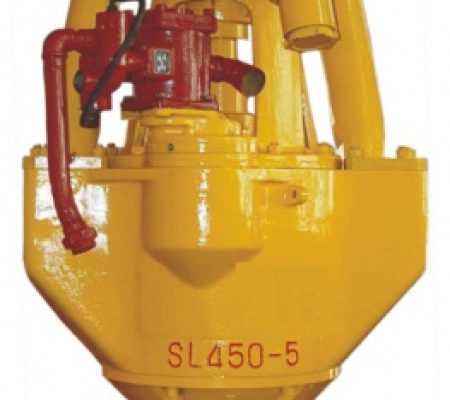
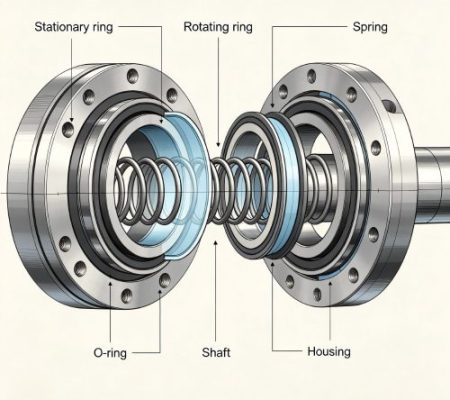
In downhole oil well operations, fishing is a crucial step in ensuring wellbore integrity and operational continuity. If fractures, debris, or other objects are found inside the well and are not handled promptly, it can significantly impact subsequent operations and even increase costs. The internal hook, a commonly used downhole fishing tool, demonstrates significant value in various downhole conditions due to its stable structural design and excellent adaptability, making it an indispensable component of fishing operations.
The Core Role of the Internal Hook in Downhole Fishing
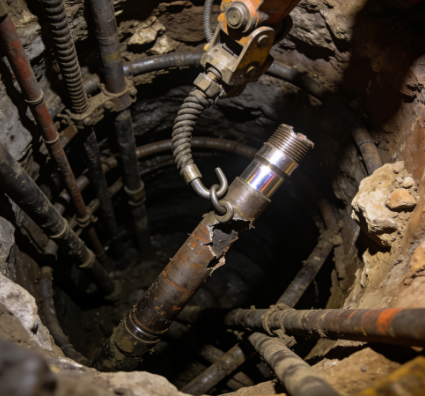
The primary function of the internal hook is to reliably engage objects that have fallen into the well. Through its internal support or interlocking structure, the internal hook creates a stable stress point inside the target object, ensuring a secure connection during lifting. This working method helps reduce the risk of slippage during fishing and makes the lifting action smoother.
Simultaneously, the internal hook causes minimal disturbance to the wellbore during operation, minimizing its impact on the wellbore structure and maintaining a relatively safe downhole environment. This characteristic of the internal hook is particularly important for operations that prioritize both efficiency and safety.
Typical Operating Scenarios Applicable to Internal Hooks
Internal hooks exhibit good adaptability in situations where there are cavities within the tubing string, allowing them to smoothly enter the target location and complete the hooking operation. In situations with limited well diameter and insufficient external grabbing conditions, internal hooks often play a more direct role.
In operating environments with greater well depth or significant well deviation, internal hooks, relying on their own guiding capabilities, maintain high operational stability, meeting the retrieval needs under complex well conditions. This makes them one of the preferred tools in various construction schemes.
Synergistic Value of Internal Hooks in Overall Retrieval Schemes
In actual operations, internal hooks are usually not used alone but as an important component of downhole tool assemblies, working in conjunction with equipment such as weight rods and shock absorbers. By appropriately matching different tool parameters, the retrieval success rate and operational controllability can be further improved
Mature oil well downhole tool solutions will selectively choose the model and specifications of internal hooks based on well condition data and operational objectives, thereby achieving a balance between efficiency and safety. This systematic configuration also provides higher reliability assurance for on-site operations.
Conclusion
The role of the internal hook in retrieval operations stems from its stable structural performance and wide applicability. Integrating the internal hook scientifically into oil well downhole tool solutions not only helps improve retrieval efficiency but also effectively reduces operational risks. Collaborating with tool service teams possessing professional technical expertise and comprehensive solution capabilities can provide more reliable support for downhole operations, facilitating the efficient and smooth progress of projects.