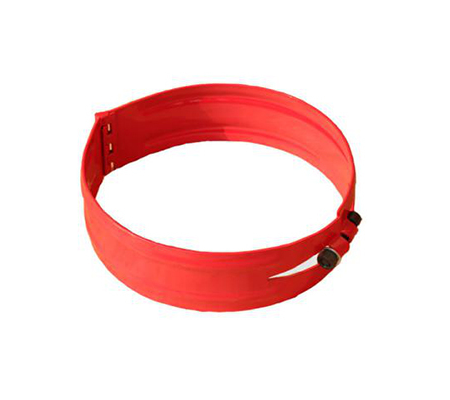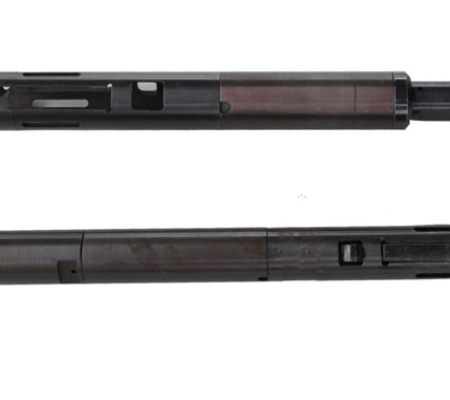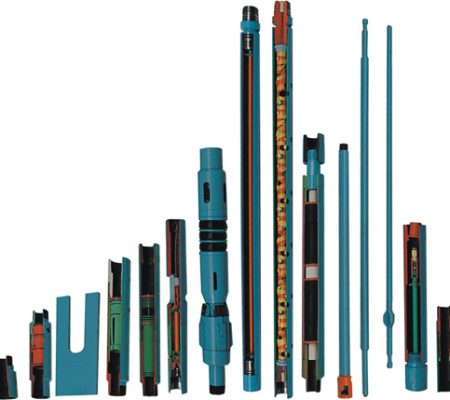
Float shoes are crucial downhole tools in cementing operations, primarily used to control the flow direction of cement slurry and prevent backflow. During drilling and cementing, float shoes must withstand high pressure, high temperature, and complex downhole environments for extended periods. Inadequate maintenance can easily lead to problems such as seal failure, structural damage, or flow channel blockage. Proper daily maintenance and inspection not only extend the lifespan of float shoes but also ensure smooth cementing operations.

Checking the Float Shoe Condition Before Use
Before using float shoes, a comprehensive inspection is necessary to ensure that the internal structure and sealing performance are in normal condition. If cracks, wear, or blockages exist before installation, malfunctions are likely to occur during subsequent operations. During the inspection, focus on whether the float shoe shell is deformed, whether internal valves can open and close normally, and whether the connecting threads are intact. For float shoes stored for a long time, also check for aging of the sealing parts to prevent leakage under high pressure. Completing the inspection in advance can reduce downhole operation risks and improve overall operational stability.
Regular Cleaning Reduces Blockages
After prolonged use, floating shoes are prone to accumulating mud, cement slurry, or impurities. Failure to clean them promptly can affect normal flow performance.
- Cement residue can easily clog internal channels.
- Mud deposits can affect valve flexibility.
- Metal impurities may damage the sealing structure.
- Long-term accumulation can increase flow resistance.
- Incomplete cleaning may affect future use.
Regular cleaning of the internal structure can maintain smooth flow in the floating shoes and reduce abnormal situations during construction.
Preventing Corrosion to Extend Service Life
Downhole environments are typically highly corrosive. Floating shoes are prone to corrosion after prolonged contact with mud, chemical liquids, and high humidity. Corrosion of the metal structure not only reduces strength but may also affect sealing performance. During maintenance, the surface of the floating shoes can be treated with anti-corrosion measures, and prolonged exposure to humid environments should be avoided. For areas already corroded, timely cleaning and repair are necessary. Proper storage and anti-corrosion maintenance can effectively extend the service life of the floating shoes and reduce subsequent maintenance costs.
Proper Storage Reduces Structural Damage
During periods of inactivity, improper storage of float shoes can easily lead to structural deformation or seal aging.
- Damp environments can cause metal to rust.
- Prolonged exposure to sunlight can affect the performance of sealing materials.
- Random stacking may cause shell deformation.
- Impurities entering the interior can affect subsequent use.
- High-temperature environments can accelerate material aging. Maintaining a dry and clean storage environment and taking precautions against dust can reduce performance degradation of float shoes during storage.
Establishing Maintenance Records Helps Manage Usage Status
Establishing maintenance records during downhole tool management helps staff better understand the usage status of float shoes. By recording the usage time, maintenance details, and problems encountered, potential hazards can be identified more promptly. For frequently used float shoes, performance tests should be scheduled regularly to confirm whether the sealing and structural strength meet standards. Standardized maintenance management can not only reduce sudden failures but also improve downhole construction efficiency, allowing float shoes to maintain a more stable and reliable working condition under complex working conditions.