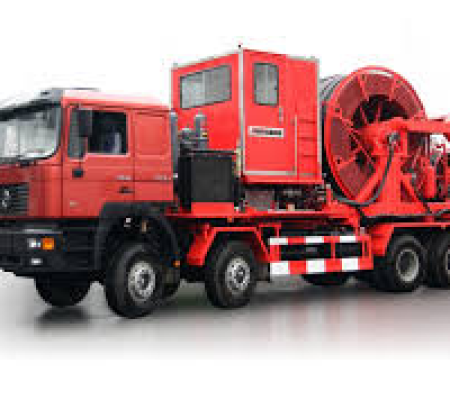
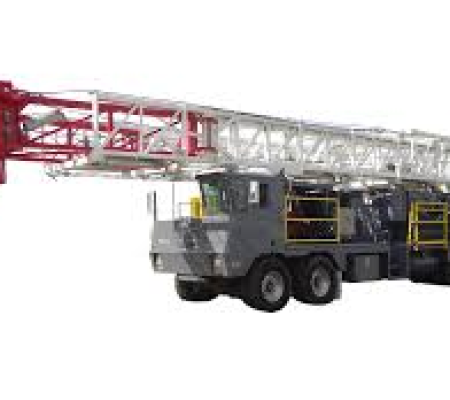
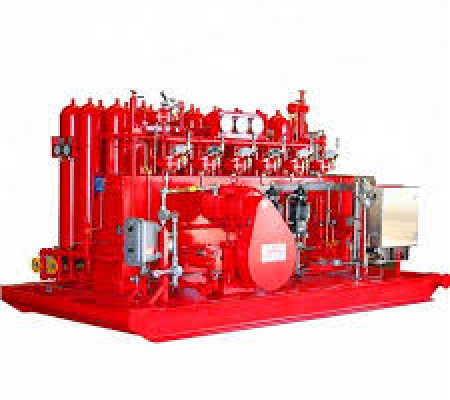
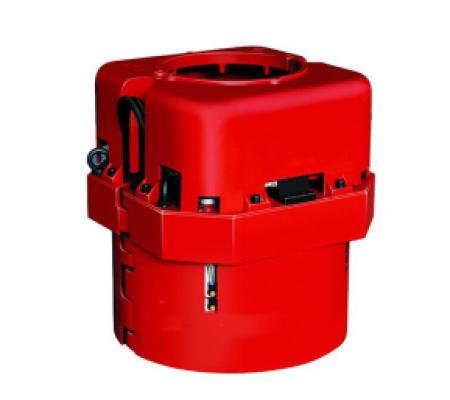
In the oil, gas, and geological drilling industries, downhole equipment is a crucial tool for ensuring the smooth operation of drilling, safety testing, well completion, and maintenance. Although the downhole working environment is complex and harsh, different types of equipment each have their specific functions, playing an irreplaceable role in everything from construction and surveying to safety assurance. The following introduces the main types of downhole equipment and their common uses from three aspects.

Equipment Used for Downhole Construction and Operations
Downhole construction equipment is the most common type, directly involved in drilling, fishing, and well workover operations. Among them, “clamps” are a typical example, commonly used to grip, secure, or retrieve downhole tubing, especially important in fishing operations. There are many types of clamps, such as mechanical clamps and hydraulic clamps, which can be selected according to different well diameters and tool requirements. Another commonly used piece of equipment is the “hydraulic blasting machine,” which uses high-pressure liquid to drive abrasive particles for blasting, mainly used for wellbore cleaning, scale removal, and repairing damaged surfaces. Compared to traditional mechanical cleaning methods, hydraulic sandblasting is more precise and safer, making it suitable for deep wells or complex well sections. In addition, fishing spears, core extractors, and downhole anchoring tools are also construction equipment. Their common characteristics are robust structure, pressure and temperature resistance, and the ability to operate continuously in harsh environments.
Equipment for Downhole Stabilization and Control
Another category of key downhole equipment is mainly used to stabilize the wellbore, control the drill string’s attitude, and maintain the accuracy of the drilling direction. For example, a “stabilizer” is an indispensable tool in drilling. It keeps the drill string in a centered position within the well, reduces swaying, avoids wellbore wear, and improves the stability of the drilling trajectory. Stabilizers include adjustable stabilizers, integral stabilizers, and replaceable sleeve stabilizers; different types are suitable for directional wells, horizontal wells, or wells with complex structures. Another representative piece of equipment is the “cement head,” used in cementing operations. After the casing is run in, the cement head accurately pumps cement slurry, firmly bonding the casing to the wellbore and forming a reliable seal. Without the precise slurry supply and control of the cement head, cementing quality cannot be guaranteed, directly affecting wellbore safety and subsequent production. In addition, blowout preventers, downhole survey instruments, and measurement while drilling (MWD) tools also belong to the control category. They play a crucial role in ensuring downhole safety, maintaining drilling direction, and monitoring pressure changes.
Equipment for Completion, Maintenance, and Measurement
Downhole equipment also includes tools specifically designed for the completion, production, and maintenance phases. Examples of completion tools include packers, sliding sleeves, and tailpipe hangers, which help isolate different well sections, regulate fluid flow, and support completion structures, ensuring the safe and stable commissioning of the oil reservoir. For maintenance, tubing dewaxing devices, downhole sand control tools, and high-pressure flushers are common equipment used to clean the wellbore, remove deposits, or improve the flow of fluids in the wellbore. Measurement equipment includes pressure gauges, thermometers, and acoustic imagers, which help engineers monitor downhole conditions in real time, providing a basis for adjusting operational parameters. Modern downhole measurement tools are typically electronically and digitally designed, capable of withstanding extremely high temperatures and pressures, and achieving stable data acquisition in complex environments.
In summary, downhole equipment can be categorized into construction equipment, well control and stabilization equipment, and completion and measurement equipment based on their application. Tools such as clamps, hydraulic blasting machines, stabilizers, and cement heads are among the most commonly used, each performing different tasks such as gripping, cleaning, centering, and cementing. Whether in drilling or production, each type of downhole equipment plays a crucial role in safety and efficiency. Therefore, selecting appropriate equipment, performing regular maintenance, and understanding its characteristics are key to ensuring the smooth operation of the entire well operation.