In engineering construction and energy development, the cost of drilling equipment is one of the most important factors in procurement decisions. Different types, configurations, power systems, drilling capacities, and levels of automation can result in huge price differences. In fact, drilling equipment can range from small units costing tens of thousands of RMB to large industrial systems costing tens of millions or even more. Therefore, there is no single fixed answer to “how much does drilling equipment cost”—it is a pricing range determined by multiple factors.
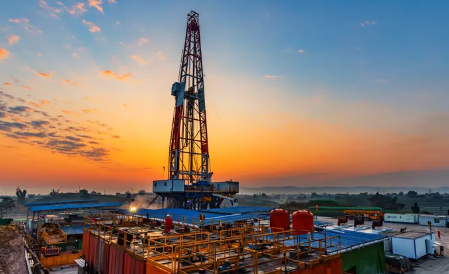
Price Ranges of Different Types of Drilling Equipment
The price of drilling equipment mainly depends on its type and scale, with significant differences between levels.
- Small water well drilling rigs typically cost 20,000–150,000 RMB, suitable for household or shallow drilling projects
- Medium engineering drilling rigs generally cost 150,000–800,000 RMB, used for geological exploration and mid-depth projects
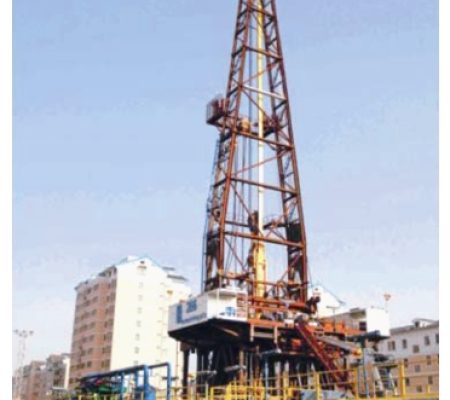
- Large industrial drilling rigs usually range from 800,000–5,000,000 RMB, suitable for complex engineering operations
- Oil and gas deep drilling rigs can cost 5,000,000–30,000,000 RMB or more
The larger the equipment scale, the higher the price.
Impact of Power Systems on Price
Different power configurations significantly affect equipment cost and are a major factor in price differences.
- Diesel-powered rigs are relatively cheaper, typically ranging from 100,000–2,000,000 RMB
- Electric rigs usually cost 200,000–1,500,000 RMB, with lower operating costs but higher power requirements
- Hydraulic-driven systems range from 300,000–3,000,000 RMB, offering higher precision but higher cost
- Hybrid or advanced power systems can exceed 2,000,000–10,000,000 RMB or more
More advanced power systems lead to higher prices.
Price Differences Caused by Automation and Intelligence
With technological upgrades, automation has become a key factor influencing equipment cost.
- Basic manual equipment is the cheapest, usually ranging from 20,000–500,000 RMB
- Semi-automatic rigs cost around 200,000–2,000,000 RMB
- Fully automated smart rigs typically range from 1,000,000–8,000,000 RMB
- High-end intelligent systems with remote control and data analysis can exceed 10,000,000 RMB
Higher intelligence means higher cost.
Other Factors Affecting Total Cost
In addition to core configurations, several other factors also influence final pricing.
- Greater drilling depth requires stronger structure and higher power, increasing cost
- More complex geological conditions demand higher stability and performance
- Customized designs usually cost 10%–40% more than standard models
- Brand reputation and after-sales service also affect overall pricing
- Transportation, installation, and commissioning typically account for 5%–15% of total cost
These factors create significant price differences between similar machines.
Investment Ranges for Different Engineering Scenarios
Different applications correspond to different budget levels.
- Civil water wells and small projects: usually 20,000–200,000 RMB
- Geological exploration and foundation engineering: about 200,000–1,500,000 RMB
- Industrial mining and medium-scale projects: typically 800,000–5,000,000 RMB
- Energy drilling and large-scale deep projects: often above 5,000,000 RMB
Higher project levels require significantly larger budgets.
Drilling equipment pricing is not a fixed number but a wide-ranging system that spans from low-cost portable units to highly complex industrial rigs worth millions. Each project corresponds to a different investment structure depending on drilling depth, geological conditions, and operational requirements. In practical selection, matching equipment level with real working conditions not only helps control costs but also improves overall construction efficiency. As drilling technology continues to advance, equipment is becoming more efficient and more automated, and pricing structures are becoming increasingly segmented and professional.