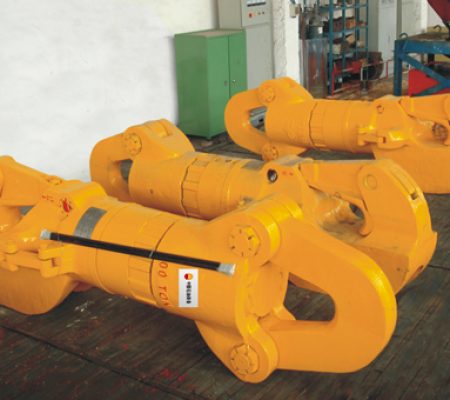
In oil drilling and hoisting operations, the connection method between equipment directly affects the stability and safety of the overall system. As a crucial component connecting the elevator and hoisting device, the elevator connection’s role is reflected in its load-bearing capacity, force transmission, and structural stability. Through reasonable structural design and material selection, the elevator connection can maintain good performance under high loads and complex working conditions. Considering the characteristics of related products, these connection components typically possess high strength and durability, meeting the needs of frequent hoisting and continuous operations. In practical applications, understanding its working principle helps in better equipment selection and safety management.
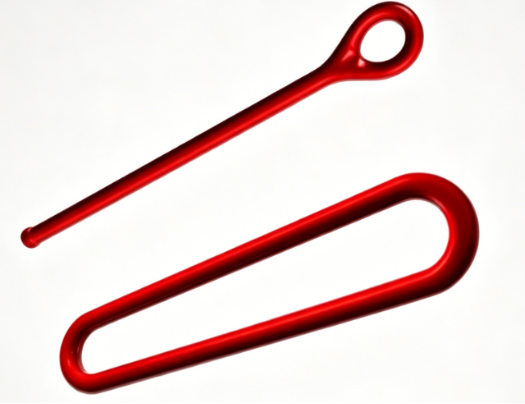
Load Transmission Through Structural Connection
In the hoisting system, the elevator connection undertakes the core tasks of connection and load bearing.
(1) The elevator connection is fixed to the elevator and hoisting device via pins or connecting holes, transferring the hoisting load from the upper equipment to the lower tool.
(2) Its structural design allows for a more uniform load distribution, reducing the risk of damage caused by excessive local stress.
This force transmission method ensures the stable operation of the entire hoisting system.
Utilizing High-Strength Materials to Withstand Dynamic Loads
In drilling operations, the lifting process is often accompanied by impacts and vibrations.
- Elevator connections are typically made of high-strength alloy steel to withstand the fatigue effects of repeated loading.
- During frequent lifting and lowering, the structural integrity is maintained, avoiding safety issues caused by material failure.
This material performance ensures long-term equipment use.
Relying on Structural Design to Guarantee Connection Stability
The stability of the connecting components directly affects the overall system’s safety performance.
(1) Through reasonable geometric design, the elevator connection ensures that it is not prone to shifting or loosening during the connection process.
(2) It can maintain a stable state even when subjected to eccentric loads or uneven forces, reducing uncertainties during operation.
This design improves reliability during operation.
Adapting to Various Working Conditions for Flexible Application
Different drilling environments place higher demands on the adaptability of connecting components. Elevator connections can be designed according to different specifications, adapting to various elevators and lifting equipment. Furthermore, they can maintain good performance in complex environments, meeting diverse operational needs. This flexibility allows for widespread application in various drilling scenarios.
In practical engineering applications, elevator connections are not merely simple connectors, but crucial components ensuring the safety and efficiency of the lifting system. Through rational structural design and material selection, they can operate stably in complex environments while effectively transferring loads and reducing risks. A deep understanding of their working principles helps improve equipment performance and provides strong support for the safety and efficiency of drilling operations.