In modern engineering projects, the safety and stability of drilling equipment are crucial, and pressure control is a core factor affecting drilling efficiency and safety. If drilling pressure becomes unstable, it can not only compromise the integrity of the wellbore but also lead to blowouts, wellbore collapse, and other safety incidents. Therefore, knowing how to respond to pressure fluctuations is critical to ensure that drilling equipment operates safely and efficiently.
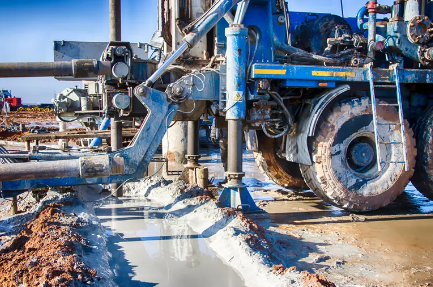
Inspect Mud System and Circulation Pressure
The mud circulation system is a core component of drilling equipment that maintains wellbore pressure balance, and any issues such as insufficient density, pump problems, or clogged lines can easily cause pressure fluctuations. It is therefore essential to continuously monitor and inspect the system during preparation and drilling operations.
- Verify that the mud density meets well control requirements, as insufficient density may cause pressure drops
- Check the circulation pumps and piping system to prevent circulation pressure fluctuations
- Clean the filtration system and lines to avoid localized pressure abnormalities
- Perform regular maintenance on mud equipment to enhance overall pressure stability
The stability of the mud system directly affects the safety and pressure control performance of drilling equipment.
Adjust Well Control Equipment and Operational Parameters
The configuration of well control devices and drilling operations determines the precision of pressure management, so equipment inspection, pump pressure adjustment, and operational optimization are necessary to prevent pressure fluctuations.
- Inspect blowout preventers and kill/manifold systems to ensure wellhead pressure is controllable
- Adjust drill weight and pump pressure to avoid overpressure or underpressure during drilling
- Monitor pressure sensor data to detect potential abnormalities promptly
- Apply segmented pressure control for complex formations to reduce blowout risks
Proper adjustment of operational parameters effectively improves pressure stability in drilling equipment.
Analyze Formation Changes and Their Impact on Pressure
Different geological formations significantly affect wellbore pressure, so drilling teams must monitor formation types and adjust mud density and pump pressure in advance to maintain balance.
- Pressure may fluctuate rapidly when passing through loose sand layers or faults
- High-pressure rock formations require increased mud density and controlled pump pressure
- Gas- or water-bearing formations may use gradual pressure increases to maintain stability
Understanding formation characteristics is essential for precise pressure control in drilling equipment.
Strengthen Real-Time Monitoring and Emergency Response
Modern drilling equipment relies on real-time data monitoring, and pressure fluctuations can occur suddenly. Establishing robust monitoring systems and emergency response protocols is critical.
- Install continuous pressure monitoring systems to track wellhead and bottom-hole pressure in real time
- Immediately apply pressure-increasing or pressure-relieving measures when abnormalities occur
- Develop detailed emergency plans to respond quickly to pressure changes
- Conduct regular training for operators to improve judgment and response to pressure fluctuations
Monitoring and rapid response ensure safe operation of drilling equipment.
Optimize Operational Procedures and Team Coordination
Managing drilling equipment pressure not only depends on machinery but also on optimized workflow and close team coordination. Proper sequencing of operations and effective communication significantly reduce pressure fluctuations.
- Schedule drilling and circulation operations to avoid sudden pressure changes
- Ensure team coordination for swift implementation of pressure adjustment measures
- Use pressure monitoring data to optimize operational parameters and improve well control accuracy
- For long-term operations, regularly evaluate and refine pressure control strategies
Scientific workflows and team coordination minimize pressure fluctuation risks in drilling equipment.
Pressure instability is a common challenge in drilling operations, but through proper mud system management, well control adjustments, formation analysis, real-time monitoring, and optimized workflows, the impact of pressure fluctuations on drilling equipment can be effectively minimized. Maintaining stable pressure not only enhances operational efficiency but also ensures safety, providing reliable support for modern drilling projects.