The rainy season is a high-risk period for drilling and well workover operations in oil and gas fields. Continuous rainfall not only leads to muddy well sites and damp equipment, but can also cause problems such as water accumulation at the wellhead and deterioration of mud properties, thereby increasing well control risks. Statistics show that in a certain oilfield, 68% of well control accidents during the rainy season in the past five years were caused by wellhead seal failure due to rainwater infiltration and excessive mud moisture content. Therefore, well control measures must be strengthened during the rainy season in terms of equipment protection, mud management, and emergency response to ensure operational safety.

Waterproofing and Sealing Strengthening of Wellhead Equipment
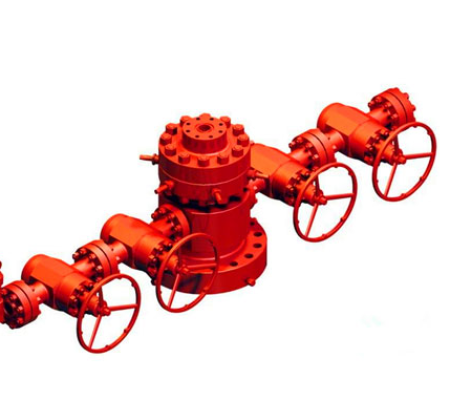
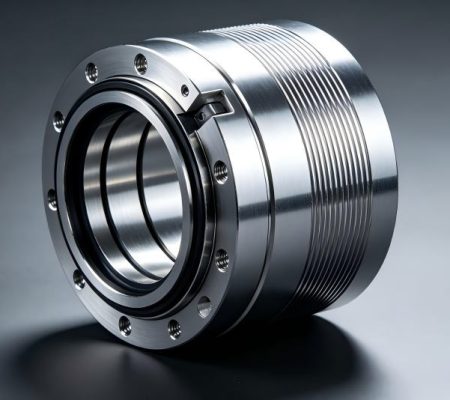
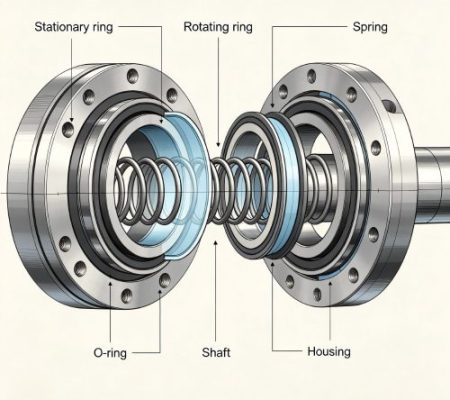
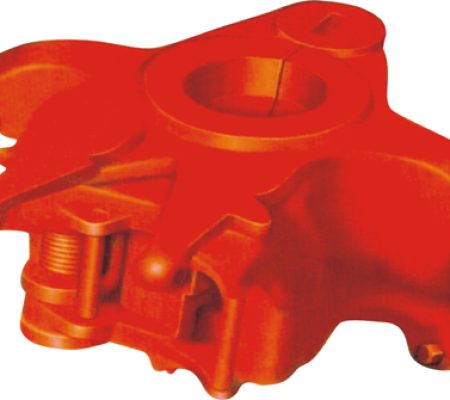
Wellhead areas are prone to water accumulation during the rainy season. If equipment seals fail, rainwater may seep into the wellbore along gaps in the wellhead equipment, leading to a decrease in mud density, bottom hole pressure imbalance, and potentially causing overflow or well kick. Specific protective measures include: Blowout Preventer (BOP) Assembly Seal Inspection: Before the rainy season, a comprehensive inspection of the BOP gate seal ring and rubber components is required, and aged or cracked parts should be replaced. For example, a drilling team replaced all the fluororubber seals on the blowout preventer assembly before the rainy season to prevent seal failure due to rainwater seepage.
Wellhead Rain Shelter Construction: A rain shelter was installed above the wellhead, extending its coverage to the choke and kill manifold area to prevent rainwater from directly washing over the equipment. One platform used a foldable rain shelter, which met rain protection requirements and was easy to quickly deploy and retract during operations.
Drainage System Optimization: Drainage ditches were dug around the well site to ensure rapid rainwater drainage; a sump was set up around the wellhead, equipped with submersible pumps to promptly remove accumulated water. One well workover team reduced the time of water accumulation at the wellhead from 2 hours to 15 minutes by optimizing the drainage system.
Dynamic Monitoring and Adjustment of Mud Performance
Rainwater mixing with mud reduces its density and viscosity, weakening its ability to carry cuttings and even causing wellbore collapse. During the rainy season, it is necessary to strengthen the monitoring of mud performance and take targeted adjustment measures: Real-time density and viscosity monitoring: Mud density, viscosity, and water loss should be monitored every 2 hours. If the density decreases by more than 0.05 g/cm³ or the viscosity drops below 40s, immediate adjustment is required. For example, after a rainstorm, the mud density in one well dropped from 1.8 g/cm³ to 1.65 g/cm³. Adding barite powder restored the density and prevented well kick.
Solid content control: Rainwater dilutes the bentonite content in the mud. Pre-hydrated bentonite slurry needs to be added to maintain the solid content at 4%-6%. One well team reduced mud filtration loss from 25 mL to 10 mL by increasing the amount of bentonite added, effectively stabilizing the wellbore.
Waterproofing agent application: Adding a waterproofing agent (such as polyacrylamide) to the mud forms a hydrophobic film, reducing the interference of rainwater on mud performance. In a deep well operation, the waterproofing agent enabled the mud to maintain stable performance after a rainstorm, preventing well control anomalies.
Moisture Prevention and Grounding Protection for Electrical Equipment
High humidity during the rainy season makes electrical equipment susceptible to moisture damage and short circuits, potentially leading to well control system malfunctions or fires. Management needs to be strengthened in three aspects: moisture prevention, grounding, and inspection.
Equipment Moisture Prevention:Install moisture-proof covers on critical equipment such as the driller’s control console and remote control console, placing desiccants inside. Adopt sealed designs for motors and distribution boxes to prevent rainwater intrusion. One platform reduced its electrical equipment failure rate from 15% to 3% through moisture-proof modifications.
Grounding System Inspection:Test the grounding resistance of all equipment before the rainy season to ensure it is less than 4Ω. Replace severely corroded grounding wires promptly. One well team discovered corroded grounding wires during inspections; replacement prevented a fire caused by static electricity.
Increased Inspection Frequency:Reduce the inspection cycle of electrical equipment from once a day to once every 4 hours, focusing on checking for aging wiring and loose connections. One well workover team promptly identified and addressed three potential wiring hazards through high-frequency inspections.
Emergency Material Reserves and Drills
Well control accidents during the rainy season are characterized by their suddenness and difficulty in handling. Therefore, it is necessary to reserve emergency materials in advance and conduct targeted drills:
Material List Update:Increase the supply of rain-specific materials such as tarpaulins, submersible pumps, and waterproof cables to ensure sufficient quantity and reliable performance. For example, one platform has reserved 200 meters of waterproof cable and 5 high-power submersible pumps to meet emergency needs during heavy rain.
Drill Scenario Design:Simulate scenarios such as water accumulation at the wellhead and deterioration of mud properties due to heavy rain. Focus on training personnel in skills such as wearing raincoats, operating rainproof equipment, and adjusting mud parameters. One well team reduced its well shut-in response time from 8 minutes to 4 minutes through drills.
Cross-departmental Collaboration Mechanism:Establish a linkage mechanism with meteorological and emergency departments to obtain real-time rainfall warning information and activate emergency plans in advance. After a typhoon warning was issued, one oilfield completed the reinforcement of all wellhead equipment and the evacuation of personnel within 2 hours, preventing accidents.
Personnel Safety Protection and Training
The working environment during the rainy season is harsh, and personnel are prone to operational errors due to fatigue, obstructed vision, and other factors. Therefore, enhanced safety protection and training are necessary:
Upgraded Personal Protective Equipment:Equip workers with waterproof and non-slip shoes, reflective raincoats, safety helmets with goggles, etc., to reduce the risk of slips and injuries from falling objects. One well team reduced its personnel injury rate by 60% during the rainy season by upgrading protective equipment.
Detailed Operating Procedures:Develop specific operating procedures for the rainy season, clearly defining prohibited behaviors during rainy operations (such as operating equipment with bare hands, entering the wellhead area without protective equipment). One platform incorporated these procedures into its performance evaluation, reducing the violation rate from 25% to 5%.
Safety Awareness Training:Conduct case studies of well control accidents during the rainy season to strengthen personnel’s awareness of the hazards of rainwater; organize specialized training on anti-slip and anti-electric shock measures. One well workover team’s training enabled personnel to identify 100% of the risks during the rainy season.
The essence of well control management during rainy season construction is the precise control of the three key aspects: prevention, control, and response. From waterproofing and sealing wellhead equipment to dynamic adjustment of mud properties, from moisture protection of electrical equipment to sufficient reserves of emergency supplies, every measure must be implemented effectively.