In modern engineering systems, many large-scale infrastructures that appear above ground are actually built upon invisible underground work. Drilling equipment serves as a key tool for accessing subsurface environments, enabling humans to break through surface limitations and obtain energy, data, and spatial resources. From energy development to urban construction and scientific exploration, it quietly supports the entire logic of modern engineering systems.
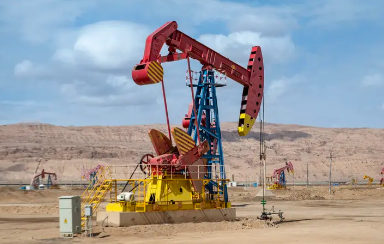
The Fundamental Driver of Energy Development
Drilling equipment plays a foundational role in the energy industry and can be considered the starting point of the entire system. Without it, underground resources would be extremely difficult to access and utilize efficiently.
- Oil and natural gas extraction relies on drilling into deep underground reservoirs
- Geothermal energy development requires drilling into high-temperature rock formations to harness usable heat
- Unconventional energy sources such as shale gas depend on advanced drilling technologies to unlock reserves
- Offshore energy development uses deep-sea drilling platforms to overcome marine environmental limitations
- Certain mineral exploration activities also rely on drilling to obtain core samples and geological data
The diversification of modern energy systems is fundamentally driven by continuous advancements in drilling technology.
A Critical Foundation for Engineering Safety and Design
Before any large-scale engineering project begins, understanding subsurface conditions is crucial for ensuring safety, and drilling equipment plays a central role in this process.
- Construction projects use drilling to analyze soil layers and determine foundation stability
- Bridge engineering relies on drilling data to assess load-bearing capacity and potential risks
- Tunnel construction requires knowledge of rock distribution to prevent collapse and water infiltration
- Urban rail transit projects depend on geological drilling data for route planning
- Underground utility and pipeline systems also rely on drilling results for safe design
These data form the “underlying logic” of engineering design and directly affect structural safety.
Driving Technological Advancement in Engineering Systems
The development of drilling equipment is not isolated; it actively drives the evolution of the entire engineering technology system.
- Intelligent drilling systems can automatically adjust drilling strategies based on geological changes
- Sensor technologies enable real-time and continuous subsurface data collection
- Automated control reduces human error and improves operational stability
- Data platforms allow full monitoring and analysis of the drilling process
- Some advanced systems even support remote operation, reducing on-site risks
Through these upgrades, drilling equipment is evolving from heavy machinery into intelligent engineering systems.
Expanding the Boundaries of Modern Engineering Applications
As engineering fields continue to expand, drilling equipment is being applied far beyond traditional energy industries.
- Environmental engineering uses drilling for underground pollution detection and remediation assessment
- Scientific research relies on drilling to study crustal structures and Earth evolution
- New energy sectors apply drilling to geothermal and energy storage development
- Urban redevelopment projects use drilling to evaluate the potential reuse of underground space
It is no longer just an extraction tool, but a foundational platform across multiple disciplines.
The essence of modern engineering development is the continuous expansion into underground, deep-sea, and increasingly complex environments, and drilling equipment is the starting point of all these advancements. From energy extraction to urban construction, from industrial systems to scientific research, it provides essential and irreplaceable support. With ongoing advancements in intelligence and green engineering, drilling equipment will continue to evolve toward higher efficiency, lower energy consumption, and broader applications, remaining a core foundational component of modern engineering systems for the long term.