In construction, machinery handling, and heavy equipment lifting, lifting rings are key load-bearing connectors. Any damage or fatigue cracks in a lifting ring can lead to serious accidents, causing equipment damage or even injury. Therefore, knowing how to quickly and effectively inspect lifting rings is essential for ensuring safety on site. This article outlines three practical steps to help workers rapidly assess the condition of lifting rings and determine their safety.
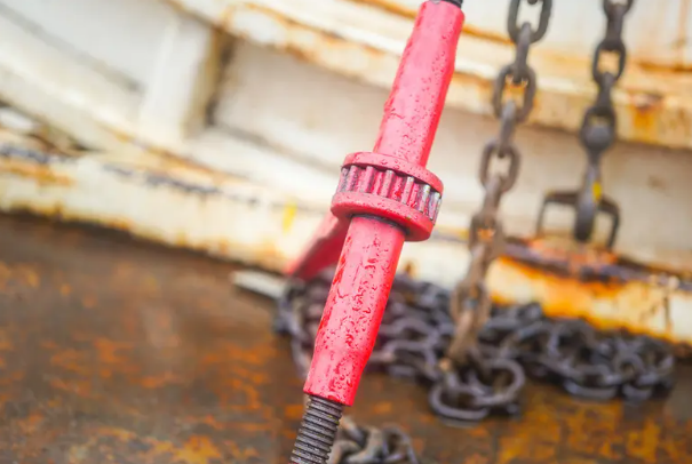
Step 1: Visual Inspection of Surface and Structure
The first step in lifting ring inspection is a visual check. Most obvious damage and irregularities can be detected by eye, including:
Cracks, scratches, or surface peeling
Rust or corrosion on the metal surface
Deformation, bending, or abnormal wear of the ring
Integrity of threads, nuts, and other connecting parts
Visual inspection serves as the foundation for quickly evaluating the overall condition of the lifting ring. If any cracks, severe corrosion, or deformation are found, the lifting ring should be immediately removed from service. Even small cracks can grow with repeated use, posing safety risks.
Step 2: Manual Check of Rotation and Fastening
After confirming that the surface appears intact, the next step is a manual check of rotation and tightness:
Rotate the lifting ring by hand to ensure smooth motion and detect any sticking or looseness
Check that threaded connections are properly tightened without signs of loosening
For rotatable designs, confirm that rotational components move without abnormal resistance
This step helps identify potential issues in the internal bearings or connections. Even if the surface looks fine, a stiff or loose ring can compromise load-bearing capacity and create hidden hazards.
Step 3: Load Testing (If Necessary)
For critical equipment or high-risk lifting operations, visual and manual checks alone may not be sufficient. Simple load testing or proof loading can be necessary:
Apply a test load close to the rated capacity in a safe setting
Observe whether the lifting ring deforms, makes unusual noises, or loosens
For rings used frequently or in high-risk scenarios, regular load testing is recommended to ensure structural integrity
Load testing can reveal small cracks or fatigue damage that are not visible to the eye, making it an important step in safe lifting operations.
Additional Safety Tips
When inspecting lifting rings, keep these points in mind:
Follow manufacturer specifications and safety standards for both inspection and use
Avoid side loading or non-vertical forces; maintain ideal load direction
Record inspection results regularly to create a safety log for lifting equipment
Replace any lifting rings showing abnormalities immediately—never take chances
Consistently following these safety practices can reduce accidents and extend the service life of lifting rings.
Conclusion
A quick lifting ring inspection can be completed in three steps: visual inspection, manual check, and load testing. By following these steps, workers can rapidly determine whether a lifting ring is safe, providing reliable protection during lifting operations. Especially in high-frequency or high-risk environments, regular inspections safeguard both equipment and personnel. Mastering this inspection method allows beginners and experienced operators alike to perform checks efficiently, ensuring smooth and safe lifting operations.