Wellhead tools are critical equipment in oil well operations, with their threaded connections bearing high pressure and heavy loads, ensuring the safety and stability of the entire wellhead system. However, during prolonged use or improper handling, threads are prone to damage, which can affect equipment performance or even lead to accidents. Understanding the causes of thread damage and mastering effective repair techniques is essential for extending the service life of wellhead tools and ensuring operational safety.
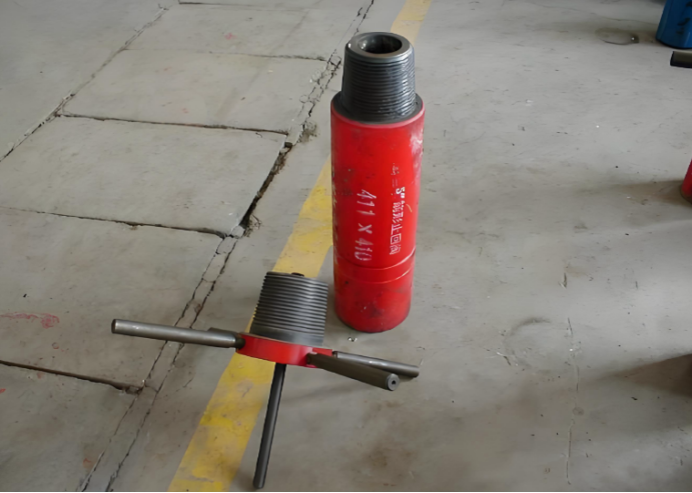
Main Causes of Thread Damage
Thread damage in wellhead tools can result from multiple factors. Improper handling is the most common cause, such as applying excessive torque, tightening at an angle, or repeatedly forcing rotation during installation or removal, all of which can wear or strip the threads. Material fatigue is another key factor. Threads are subject to long-term high pressure, high temperature, and alternating loads, which can cause micro-cracks or deformation. Corrosion and contamination also accelerate thread damage. Drilling fluids, brine, acidic substances, and oxidation in the operational environment can corrode metal threads, reducing their strength and durability.
Signs of Thread Damage
Thread damage usually manifests as worn threads, localized missing sections, thread deformation, or loose connections. Severe wear may cause slipping or difficulty during tool installation. Localized defects can reduce connection strength, leading to leakage or thread disengagement. Thread deformation can compromise sealing performance, potentially resulting in tool failure. Recognizing these signs helps operators identify problems during routine inspections, preventing potential accidents.
Thread Repair Techniques
Damaged threads can be repaired using several methods. Lightly worn threads can be restored using specialized thread taps or thread repair kits to restore tooth precision and connection performance. For localized defects or severe deformation, welding or mechanical machining may be used to reconstruct the threads, with strict control over machining accuracy and heat treatment to maintain thread strength. Before repair, threads should be thoroughly cleaned to remove drilling mud, oil, and corrosion, ensuring a stable repair outcome.
Preventive Measures to Avoid Thread Damage
Prevention is equally important. During installation and removal, operators should strictly follow procedures, control torque, and avoid angled or forced rotation. Regularly inspecting thread surfaces, cleaning contaminants, and applying anti-corrosion lubricants when necessary can significantly reduce damage. Choosing high-quality, corrosion-resistant thread materials also extends service life. Additionally, training personnel in proper installation and maintenance techniques is key to lowering thread damage rates.
Conclusion
Threads are critical components of wellhead tools that are prone to damage due to improper handling, material fatigue, and environmental corrosion. Understanding the causes of thread damage and applying effective repair techniques can extend tool life and ensure operational safety. With regular inspections, timely repairs, and proper maintenance, thread damage can be effectively controlled, keeping wellhead tools stable and reliable even under high-pressure, high-temperature conditions.