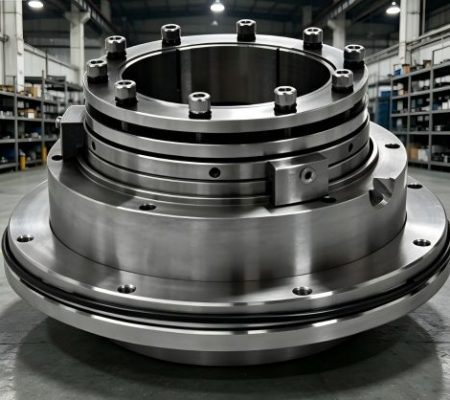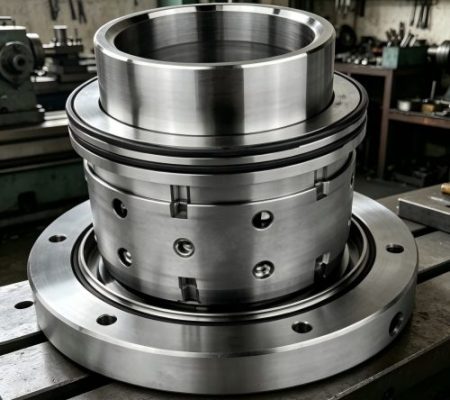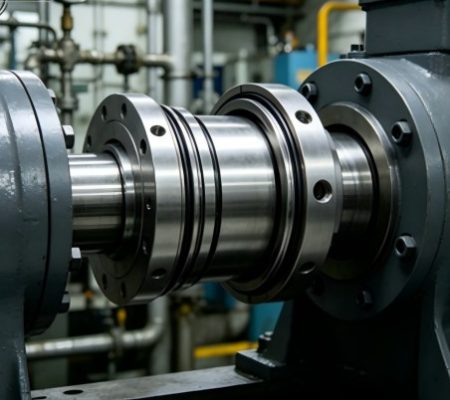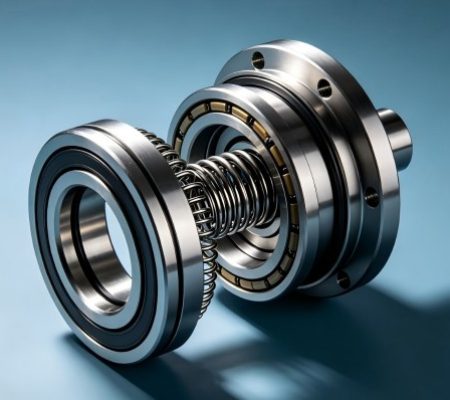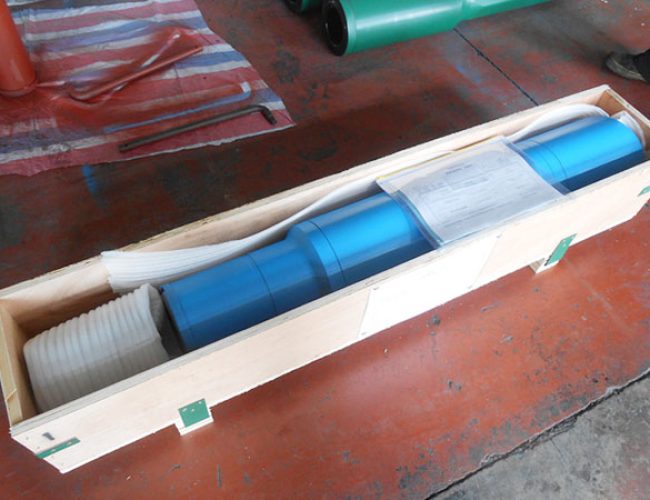
Sub-float valves are core safety control components in oil well operations. Typically integrated into the tubing or tool string in a single cylindrical structure (as shown in the blue cylindrical product), they effectively prevent backflow of fluids from the well, playing a crucial safety role in drilling, workover, and completion operations.
Main Functions:
Sub-float valves achieve precise unidirectional control through their internal float structure. When backflow occurs in the well, the float automatically rises under pressure differential or fluid action and tightly seals against the valve seat, forming a reliable seal and completely blocking the backflow of well fluid, oil, gas, or impurities into the tubing string. This function effectively reduces the risks of blowouts, tubing corrosion, and operational interruptions, providing a critical safety barrier for downhole personnel during tubing tripping, pump shutdown, or well control operations.
Structural Features and Working Principle:
The float valve (Sub) adopts a compact, integrated cylindrical structure (as shown in the long cylindrical shape in the image). It mainly consists of a high-strength alloy steel valve body, a high-precision float, a wear-resistant valve seat, and high-performance seals. The overall design matches the tubing string dimensions, facilitating direct connection to the well.
- Normal Circulation Conditions: When the fluid flows from top to bottom, the float remains open due to fluid thrust, ensuring unobstructed flow and not affecting the normal circulation flow of drilling or completion fluid.
- Backflow/Pressure Fluctuation Conditions: When backflow or sudden pressure changes occur in the well, the float responds rapidly, precisely fitting the valve seat under the action of buoyancy and pressure difference, forming a zero-leakage seal and effectively blocking reverse flow.
- Material Characteristics: The valve body is made of high-strength alloy steel with a corrosion-resistant and wear-resistant surface treatment. It can withstand complex conditions such as high pressure, high temperature, and sand-containing or corrosive media in the well, ensuring long-term stable operation.
Durability and Environmental Adaptability:
From design to production, the product is optimized for harsh downhole environments:
- The valve body is manufactured using a one-piece forging process, possessing excellent pressure resistance and adaptable to pressure requirements at different well depths;
- The float and valve seat are made of wear-resistant and corrosion-resistant materials, resisting sand abrasion, acid and alkali corrosion, and fatigue damage from repeated opening and closing;
- The seals are made of special high-temperature and oil-resistant rubber, maintaining good elasticity and sealing performance within a temperature range of -20℃ to 150℃, suitable for various geological environments.
Application Scenarios:
Widely used in:
- Drilling operations: Preventing well fluid backflow during tripping in and out of the well, avoiding the risks of well kicks and blowouts;
- Well workover operations: Ensuring the safety of pump shutdown, well control, and other procedures, preventing tubing blockage and corrosion;
- Well completion operations: Stabilizing well pressure, providing a safe tubing environment for subsequent oil production processes;
- Auxiliary operations such as well testing and logging: Serving as a temporary safety control component, improving operational continuity.
Key points for use and maintenance:
- Selection and matching: Select the appropriate size and pressure rating of the float valve assembly based on the tubing string specifications, well depth, pressure, and fluid characteristics to ensure flow rate and pressure capacity match.
- Pre-deployment inspection: Before lowering the valve into the well, check the integrity of the valve body, the flexibility of the float, and ensure the sealing surface is free of sand and impurities to prevent jamming or seal failure.
- Routine maintenance: After retrieval, promptly clean impurities from inside the valve body, check the wear of the float and valve seat, and replace seals as necessary to extend product lifespan.