Releasable backsplashes play a crucial role in downhole operations, performing essential detachment and traction functions. They are vital tools for improving operational efficiency and ensuring safety. However, under complex well conditions, backsplashes may experience release difficulties due to factors such as temperature, mud, hydration, mechanical wear, or abnormal load. Failure to address this promptly can disrupt the tool’s descent and retraction rhythm, delaying operations. Understanding common handling methods and preventative measures not only improves operational stability but also enhances reliability for companies operating downhole, fostering closer collaboration with specialized tool suppliers.

The Necessity of Inspecting the Mechanical Structure
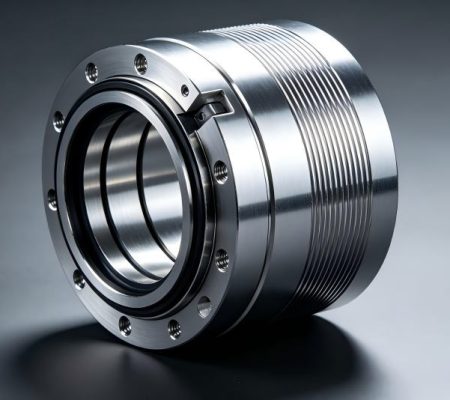
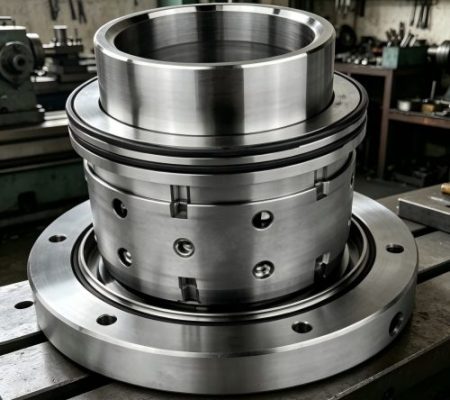
Backsplash release is closely linked to the mechanical structure, including components such as slips, springs, sliders, and top cones, which are susceptible to wear or blockage by mud during continuous operation. When release problems occur, it is necessary to check for structural jamming, increased friction, or failure of elastic components using standardized procedures. Specialized tools typically employ wear-resistant structural designs, which facilitate smooth operation in high-load downhole environments. Collaborating with suppliers possessing R&D capabilities allows for the selection of more wear-resistant and tension-stable structures based on well conditions, helping to reduce the probability of release failure.
Assessing the Impact of Downhole Environmental Factors on Tools
Downhole temperature gradients, fluid properties, mud content, and wellbore conditions all affect the release performance of the retractable spear. High temperatures can cause metal expansion and elastic fatigue, mud impurities can clog sliding parts, and fluid corrosion can reduce material strength. If release difficulties occur, the tool’s operating environment and downhole conditions need to be assessed, and corresponding adjustments made based on material and structural characteristics. Selecting specialized downhole tools that are heat-resistant, corrosion-resistant, and suitable for complex well conditions can significantly improve release stability, provide greater assurance for subsequent operations, and facilitate easier collaboration.
Optimizing Operating Procedures to Reduce Release Risks
Improper operation can also lead to difficulties in retractable spear release, such as insufficient load removal, unstable lifting and lowering speeds, or deviations from standard procedures in the direction of force application. Optimizing operating procedures and training content can effectively reduce release anomalies caused by human factors. Maintaining communication with partners who provide downhole tool training and technical support allows operating teams to become more familiar with product performance, thereby improving overall work efficiency. Many companies choose to establish regular partnerships with tool manufacturers possessing technical service capabilities, continuously optimizing operating procedures to improve operational smoothness.
Enhancing Release Success Rates with Specialized Tools
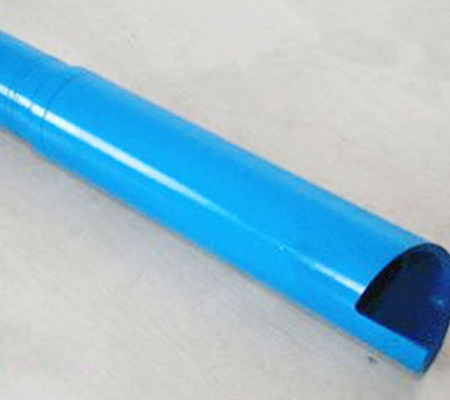
In challenging well conditions, reliable tool structure and high-quality materials play a crucial role in improving release success rates. Adopting retractable spear designs with automated compensation, reinforced elastic structures, wear-resistant devices, or adjustable release force can more effectively cope with downhole variations. Innovative downhole tool suppliers can typically provide customized technical advice and structural optimization solutions, ensuring tool stability in complex environments. Partnering with specialized brands not only reduces the risk of release failures but also improves the safety and operational efficiency of the entire downhole system.
When retractable spears experience release difficulties, it is necessary to analyze and solve the problem from multiple perspectives, including structural condition, downhole environment, operating procedures, and tool performance. By selecting more specialized downhole tools, improving operational management, and maintaining close collaboration with technical teams, release success rates can be significantly improved, making operations smoother. With reliable tool suppliers, downhole operations will be safer and more efficient, bringing companies a more stable cooperation environment and construction benefits.